Русский
 Français
 بالعربية
 Español
The Commercial Guide to Aquatic Illumination: Designing Safe and Aesthetics-Driven Lighted Swimming Pools
Procuring aquatic lighting for commercial facilities requires moving beyond consumer-grade hardware to ensure operational longevity and occupant safety. Facility managers and MEP engineers must navigate rigorous standards such as NEC Article 680 while balancing building automation integration needs with long-term maintenance cycles.
Section 1: The High Cost of Retail-Grade Lighting in Commercial Aquatic Facilities
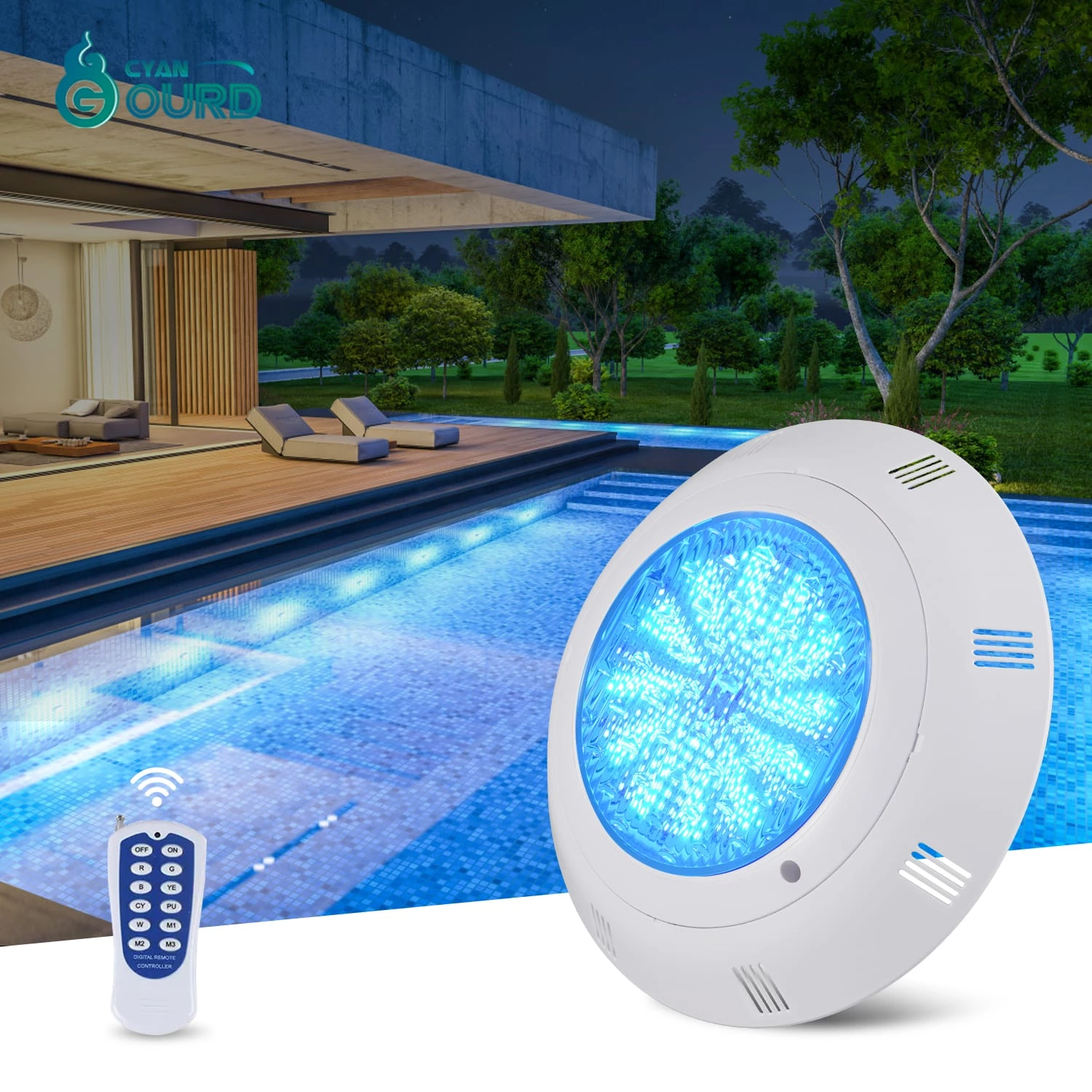
Commercial aquatic environments present harsh conditions including high-concentration chlorine and constant hydrostatic pressure. Retail-grade hardware often fails due to inadequate seal integrity and poor thermal management. By utilizing an Stainless Steel Pool Light, facilities can mitigate the chemical degradation typical in public pools. Investing in industrial-grade components reduces the total cost of ownership by eliminating frequent emergency replacements.
Section 2: Engineering for Submersion: Materials Science and Vacuum-Sealed Housing Standards
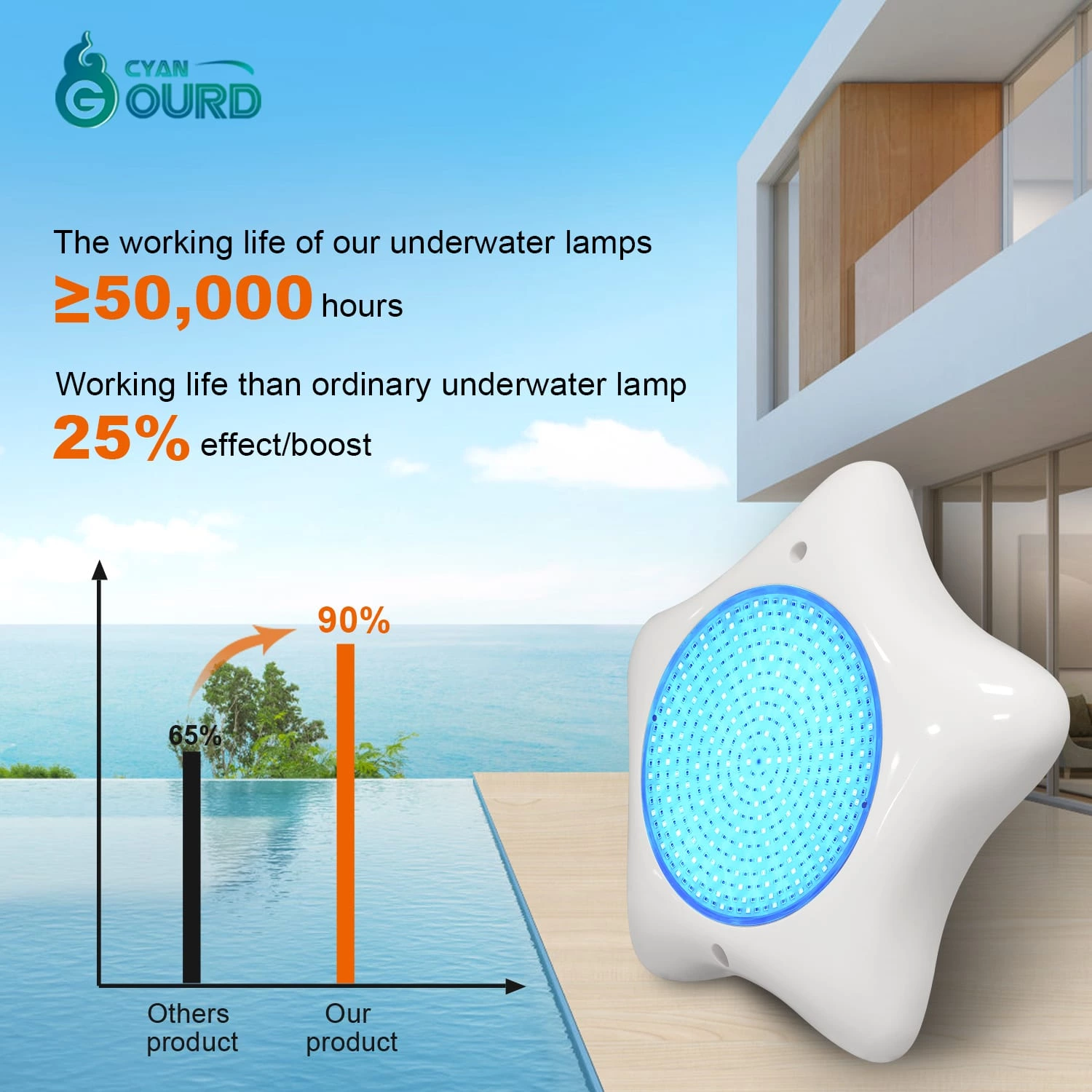
In our production line, we prioritize vacuum-sealing protocols using 316L stainless steel, a grade known for superior resistance to chloride-induced pitting. Each Nicheless Pool Light undergoes ISO/IEC 17025 accredited hydrostatic pressure testing to ensure submersion stability at depths exceeding standard Olympic requirements. Our design philosophy relies on thermal dissipation heat-sink architectures that have been validated through accelerated life-cycle testing, achieving an MTBF of over 50,000 hours.
Section 3: Photometrics and Light Physics: Optimizing Underwater Uniformity
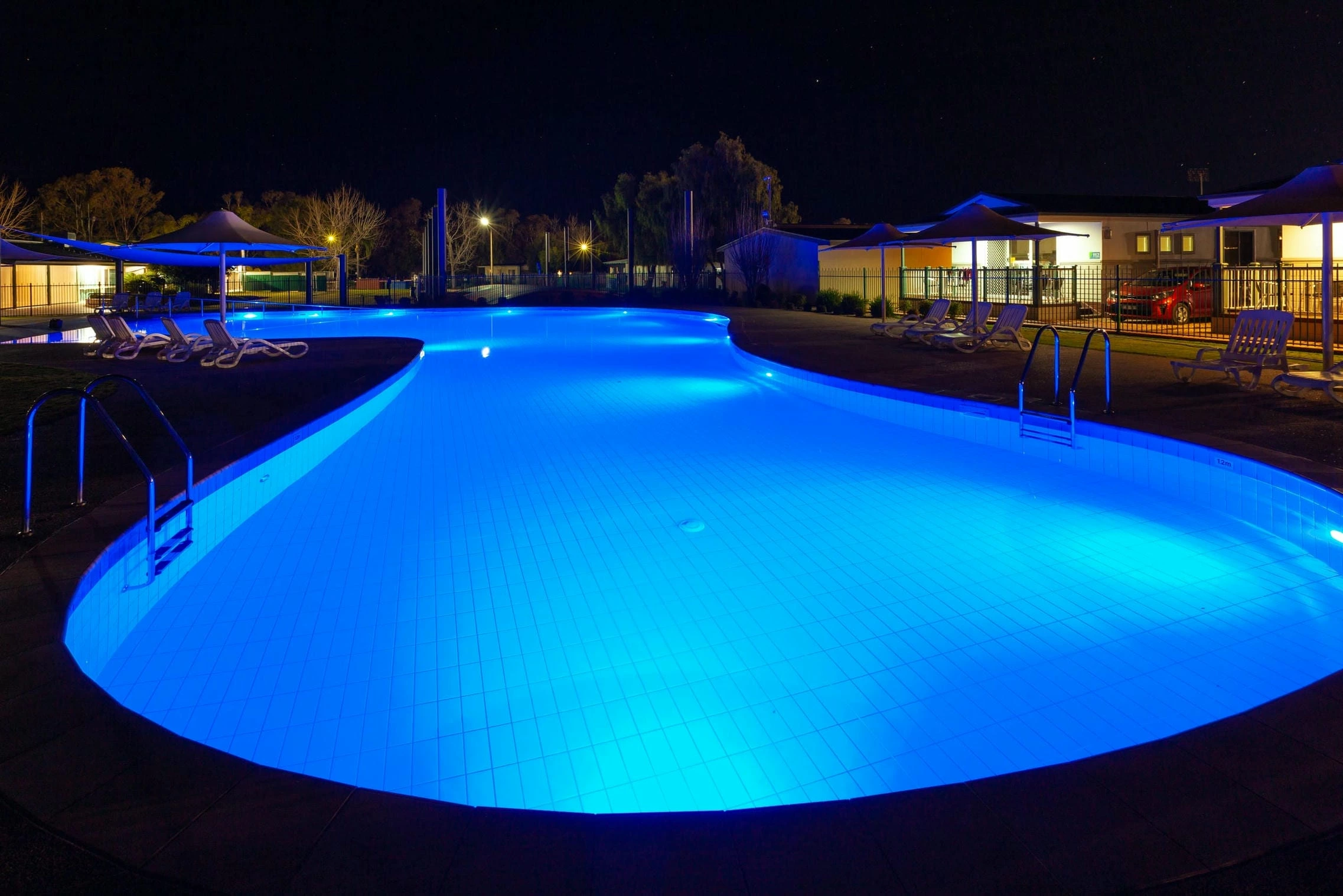
Proper light distribution is a matter of safety, not just aesthetics. Photometric analysis data confirms beam angle consistency across varying water depths, ensuring no dark zones for lifeguards to monitor. Using high-precision optics allows for uniform illumination, critical for compliance with local codes. For those seeking technical consistency, exploring different Types Of Pool Lights is essential before finalizing a procurement specification.
Section 4: Control Logic: Integrating Underwater Lighting into Building Management Systems
Modern commercial facilities require seamless BMS integration. Our systems feature integrated DMX and 0-10V control drivers, natively compatible with major platforms like Siemens and Honeywell. This allows for centralized scheduling, dimming, and color temperature management, reducing energy consumption and operational overhead during off-peak hours.
Section 5: Lifecycle Analysis: The Economics of Modular Repair vs. Unit Replacement
A modular component architecture represents a significant shift from traditional throw-away models. By allowing for rapid, tool-less internal LED board replacement, maintenance teams can service units without the significant cost and downtime associated with draining the pool. This design is foundational to our Led Pool Light solutions, prioritizing facility uptime.
Section 6: Compliance and Safety: Navigating NEC Article 680 and IEC Standards
All commercial lighting procurement must adhere strictly to NEC Article 680 and IEC 60598-2-18 requirements. Compliance documentation should be mandatory in all bid packages to ensure that luminaires are safety-rated for aquatic submersion. Proper grounding and low-voltage operation are non-negotiable for project approval by electrical inspectors.
| Feature | Retail-Grade | Commercial-Grade |
|---|---|---|
| Housing Material | Plastic/ABS | 316L Stainless Steel |
| Thermal Control | None/Passive | Engineered Heat-Sink |
| Serviceability | Unit Replacement | Modular Board Repair |
| BMS Protocol | Proprietary/None | DMX / 0-10V Standard |
Q: What are the electrical safety requirements for underwater luminaires?
A: Commercial luminaires must be listed for submersion and comply with NEC Article 680, specifically regarding bonding, grounding, and low-voltage requirements.
Q: How does material composition impact corrosion resistance?
A: High-chlorine environments require 316L grade stainless steel to prevent crevice corrosion that occurs in lower-grade stainless or polymer housings.
Q: What are the integration challenges for retrofitting BMS?
A: Compatibility relies on standardized protocols like DMX or 0-10V; always verify that the luminaire driver architecture matches your facility's existing control infrastructure.
Q: How does light distribution impact safety?
A: Proper photometric design eliminates glare and shadows, ensuring that lifeguards maintain clear visibility of the pool floor regardless of depth.
Q: What should be in a procurement specification?
A: Include MTBF ratings, LM-80 maintenance data, IEC 60598-2-18 certification, and requirements for modular repairability to ensure long-term value.