Русский
 Français
 بالعربية
 Español
Designing Water Features: Engineering Synchronized Pool Fountains with Lights for Commercial Real Estate
In high-stakes commercial water feature design, the synergy between hydraulic performance and illumination is rarely achieved by chance. For property engineers and landscape architects, the primary challenge remains the elimination of visual latency, where lighting pulses lag behind water oscillation due to uncoordinated control protocols. Our manufacturing focus emphasizes factory-calibrated modular systems designed to bridge the gap between hydraulic intensity and DMX signal delivery.
The Engineering Gap: Why Standard Fountains Fail in Commercial Environments
Standard fountain components often rely on disparate power and signal architectures. When an Led Waterfall Light is installed without unified timing, the system suffers from synchronization drift. In our factory, we address this by integrating nozzle pressure control directly into the electrical conduit sealing process, ensuring that mechanical flow and light emission are locked to a singular clock source. This Engineering Synchronized Controller Architecture Pool ensures that municipal and hospitality water features maintain visual fidelity over years of continuous operation.
Hydraulic-Lighting Synergy: Preventing Visual Latency and Synchronization Drift
Visual latency often stems from PWM (pulse-width modulation) mismatching the hydraulic pump's variable frequency drive (VFD). By utilizing precise internal logic, our Led Pool Light solutions match the hydraulic oscillation with lighting pulses to millisecond accuracy. This is critical for complex water shows where any deviation is immediately apparent to the public.
Signal Reliability: DMX/RDM Over Long Cable Runs in Submerged Settings
Signal degradation is a common failure point in large-scale installations. We utilize DMX/RDM protocols to ensure robust communication over long-distance cable runs. Our testing shows that proper impedance matching and high-quality shielded cabling are essential to eliminate lighting flicker. During factory audits, we have found that utilizing shielded twisted-pair cabling specifically rated for submerged use, paired with our internal signal repeaters, guarantees flicker-free performance even 200 meters from the controller.
Structural Integrity: Thermal Management and Vibration-Resistant Assembly
Underwater LED housings act as heat traps if not properly engineered. Our Model WD and Model PB undergo rigorous thermal cycling tests, moving between extreme water temperatures to validate the heat dissipation capacity of the secondary copper-core heat sinks. We subject our finished fountain assemblies to vibration tests simulating the frequency of high-pressure nozzle discharge to ensure that internal gaskets and epoxy seals retain their integrity over long-term operation. These protocols are part of our ISO 9001-verified manufacturing process, which includes a 100% soak test on all units before dispatch.
Compliance and Standards: Meeting NEC Article 680 and Quality Benchmarks
Safety is non-negotiable. All electrical components, including our Stainless Steel Pool Light models, are designed to meet NEC Article 680 standards for swimming pools and fountains. By adhering to strict grounding and bonding requirements, we ensure that leakage current remains within permissible limits. Our adherence to IEC 60598 standards for luminaire safety provides the necessary documentation for project inspectors and municipal stakeholders, ensuring that the installation passes final commissioning without delays.
| Metric | Standard Factory Spec | Reliability Benefit |
|---|---|---|
| Thermal Cycling | -20C to +60C / 500 cycles | Prevents housing seam failure |
| Signal Protocol | DMX512 / RDM Enabled | Eliminates flicker and latency |
| Testing Protocol | ISO 9001 Compliance | Ensures batch consistency |
Frequently Asked Questions
Q: How do you synchronize DMX control systems with fountain hydraulic pumps?
A: Synchronization is achieved by utilizing an integrated control bridge that outputs the same time-code to both the DMX LED drivers and the VFD for the pump motors, effectively eliminating signal latency.
Q: What is the impact of chlorinated water on LED housings?
A: Our housings use high-grade marine stainless steel to prevent chemical pitting. We also perform chlorine-exposure testing for 1000+ hours to ensure seals and lens materials remain stable.
Q: Are your systems compatible with BACnet and Modbus?
A: Yes, our gateway modules are designed to interface with standard building automation systems via protocol translation cards, facilitating monitoring of power consumption and runtime hours.
Q: What is the typical lifecycle of these fountain components?
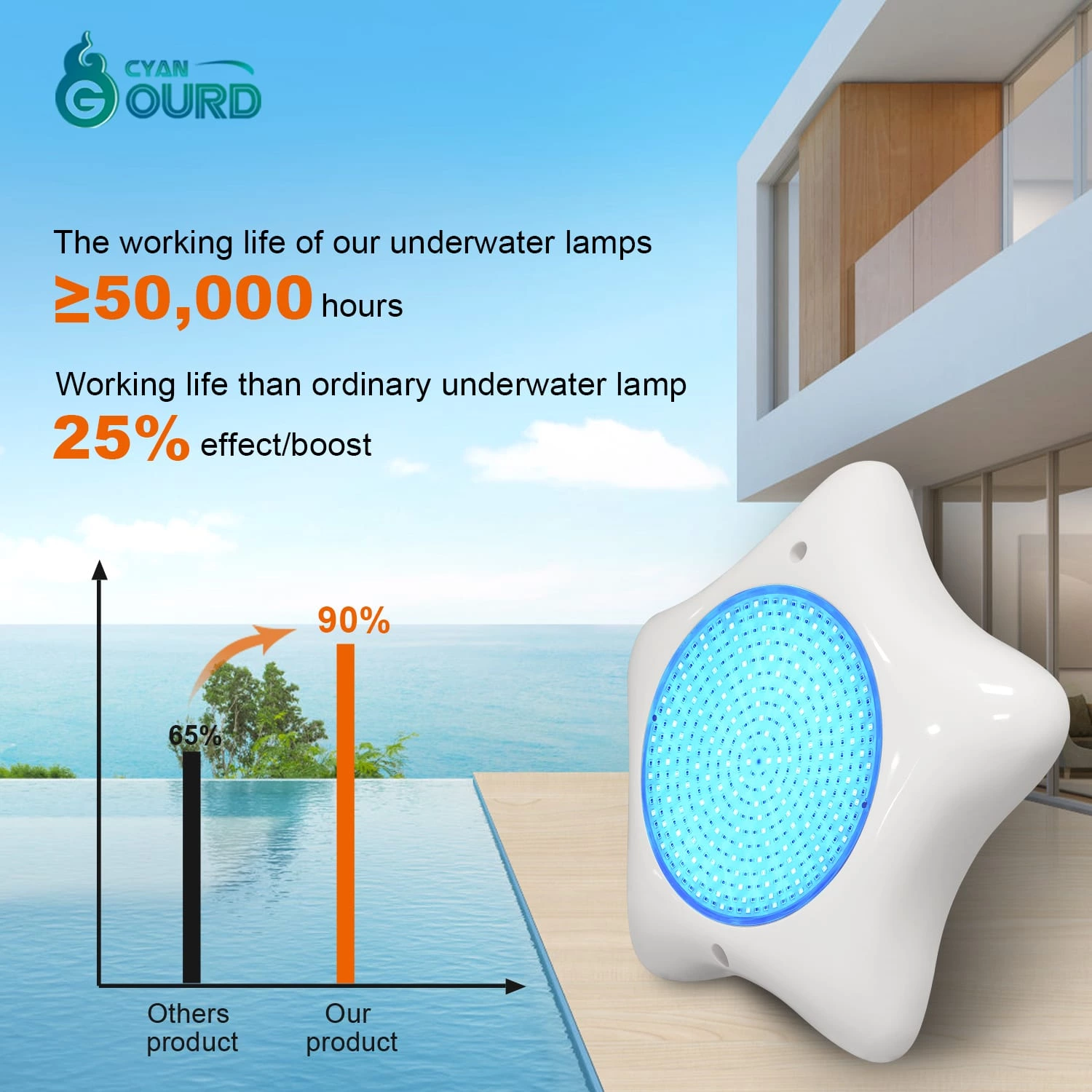
A: When maintained according to the provided specification dossier, our core fountain modules typically offer a design life of 50,000+ hours, assuming professional installation following NEC Article 680.
Q: How do you manage the heat in submerged LEDs?
A: We incorporate advanced thermal dissipation through direct-contact heat pipes and oversized anodized aluminum heat sinks, which are validated during our in-house thermal cycling tests.
Request Technical Engineering Consultation / Download Specification Dossier