Русский
 Français
 بالعربية
 Español
Fiber Optic vs. LED Pool Lighting: A Commercial Performance and Cost-Benefit Analysis
For project managers and MEP engineers, the selection between fiber optic systems and advanced LED technology often balances aesthetic design preferences against the rigorous demands of municipal and large-scale aquatic facilities. While fiber optics offer unique visual characteristics, this analysis examines the long-term engineering, safety, and maintenance realities that dictate the operational viability of lighting systems in commercial environments.
The Engineering Trade-off: Commercial Safety vs. Aesthetic Ambition
Commercial aquatic environments prioritize functional illumination to ensure swimmer safety and lifeguard visibility. While fiber optics are effective for decorative perimeter highlights or starry-night effects, they frequently fail to meet the lumen-per-watt requirements for functional safety illumination. In contrast, modern Nicheless Pool Light solutions provide the intensity required for deep-end visibility, ensuring compliance with rigorous international safety standards.
Photon Degradation: Analyzing Fiber Optic Light Loss Over Distance
A critical engineering challenge in fiber optic deployment is attenuation. Data indicates significant light output loss in standard side-glow and end-glow fiber cables when runs exceed 20-30 meters, common in commercial-scale pools. As photons traverse these lengths, internal absorption and coupling inefficiencies lead to substantial output decay. Conversely, Led Pool Light systems deliver consistent luminous flux regardless of the distance from the power source, provided that voltage drop is managed through proper cabling infrastructure.
| Metric | LED (SMD 3535) | Fiber Optic System |
|---|---|---|
| L70 Lifespan | 50,000+ Hours | Variable (Source dependent) |
| Output Decay | Minimal (Thermal controlled) | High (>20m lengths) |
| Maintenance | Modular Replacement | Complex Cable/Source |
Thermal Management & Reliability: LED Heat Sink Efficiency
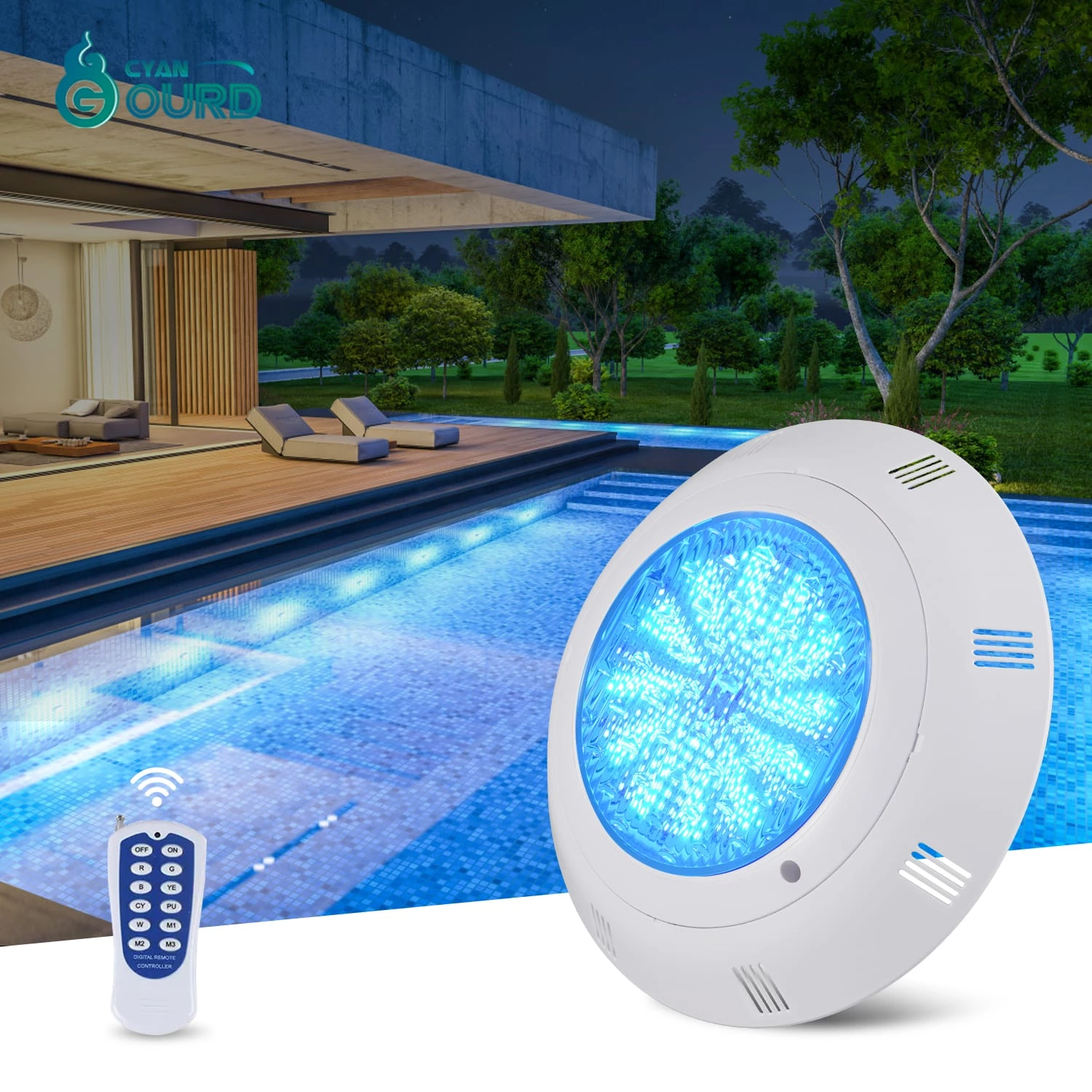
In our manufacturing experience, thermal management is the primary determinant of light engine longevity. Our Embedded Pool Light units, such as the QR-55, utilize SMD 3535 LED architecture with advanced heat sink design to maintain junction temperatures well below critical failure points, ensuring L70 performance. Fiber optic systems, conversely, rely on a remote illuminator that generates significant heat in a confined space. If this illuminator fails, the entire lighting circuit is compromised. LED arrays offer decentralized reliability—where the failure of one unit does not result in total system downtime.
Regulatory Compliance: Navigating UL 676 and NEC Article 680
Aquatic environment safety is governed by strict codes including UL 676 and NFPA 70 (NEC) Article 680. These standards mandate rigorous testing for submerged luminaires regarding electrical isolation and material degradation. Our Stainless Steel Pool Light series is engineered with IP68 integrity, ensuring complete moisture ingress protection for the internal diode assembly. Fiber optic bundles, while carrying no electricity, present unique challenges in end-termination points, where UV exposure and water penetration can degrade the fiber tip and compromise the aesthetic consistency over time.
Installation Logistics: Fiber Optic Cable Runs vs. Decentralized LED Wiring
From a construction standpoint, pulling fiber optic bundles is significantly more labor-intensive than standardized low-voltage wiring. Fiber cables are delicate and prone to fracturing under tension, whereas professional-grade LED cabling allows for modular, nicheless configuration. During factory audits, we have observed that site management teams prefer the decentralized approach of LED arrays, as they simplify troubleshooting and future-proofing in large aquatic complexes.
Total Cost of Ownership: A Case for LED Standardization
The Roi Analysis Transitioning Led Pool systems consistently favor standardized LED technology. While initial procurement costs for fiber components might seem comparable, the total cost of ownership (TCO) is heavily impacted by the difficulty of retrofitting fiber optics. Modular LED units are designed for quick, dry-niche or nicheless serviceability, directly reducing labor costs associated with routine maintenance.
Conclusion: Selecting the Right Technology for Facility Longevity
For commercial facilities, the decision to implement LED technology is supported by proven thermal management, regulatory compliance, and ease of maintenance. While fiber optics have a niche in decorative applications, for functional safety and long-term facility operation, decentralized LED systems remain the industry standard.
Q: How do IP68 ratings compare for fiber optic cables versus fully submerged LED housings?
A: IP68 compliance for LED lights signifies that the housing is hermetically sealed against water ingress at depth, whereas fiber systems rely on the integrity of the end-termination seal which is prone to failure in high-pressure pool environments.
Q: What are the maintenance differences between illuminators and LED diode replacement?
A: LED systems allow for modular unit replacement without disrupting the entire pool circuit; fiber optics require maintenance on the centralized illuminator box, which can disable entire lighting zones.
Q: Do fiber optic systems require specialized infrastructure?
A: Yes, fiber optic runs often require larger, specialized conduits and careful handling to prevent breakage, unlike standard low-voltage wiring used for LED systems.
Q: What is the L70 lifespan difference?
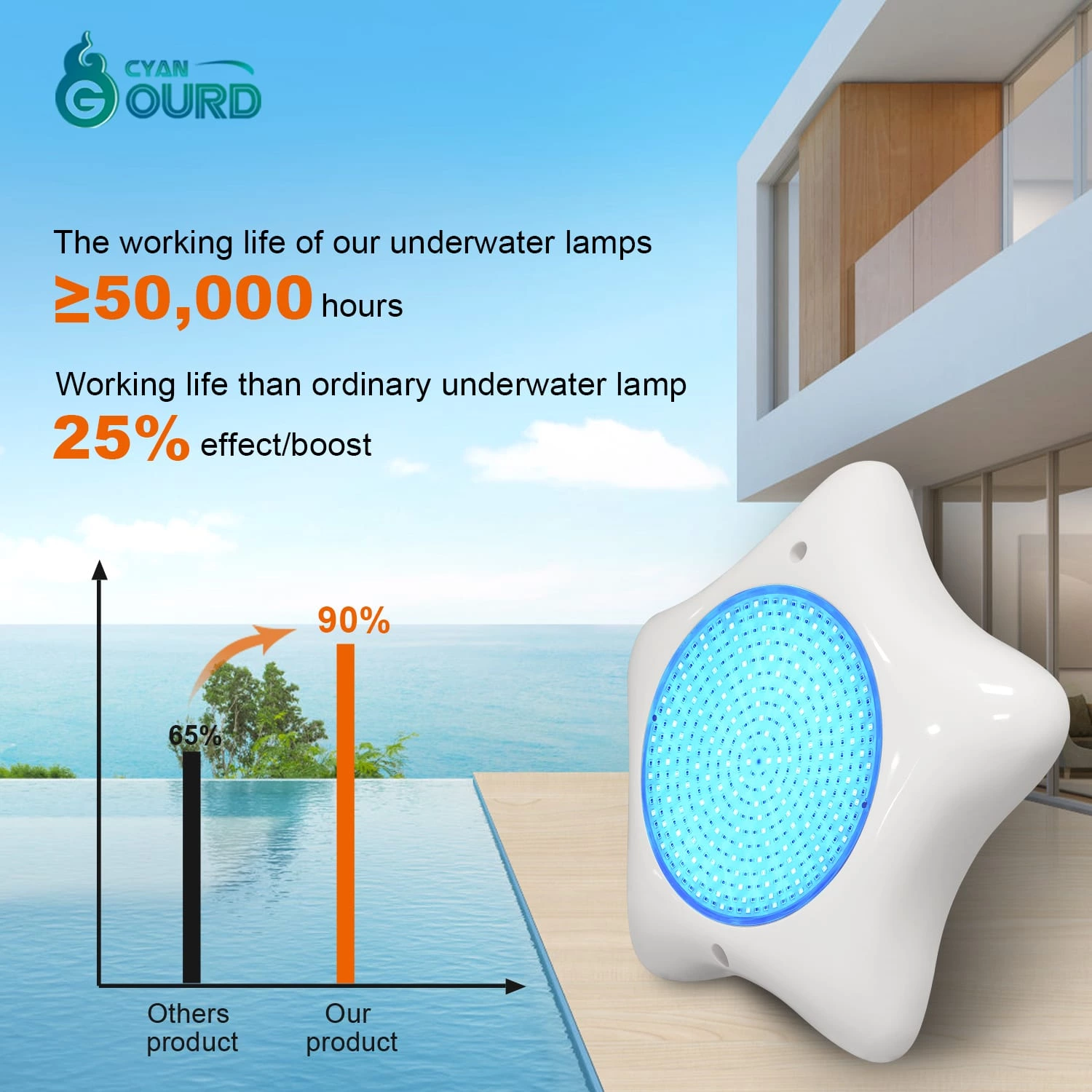
A: High-quality LED modules achieve 50,000+ hours to L70. Fiber optic output is restricted by the degradation of the light source and the yellowing of the bundle materials over time.
Q: Which system is more compliant with UL 676?
A: Modern submerged LED luminaires are purpose-built to comply with UL 676 through established rigorous testing of enclosure materials and electrical isolation, providing a clear path to safety certification.
Download Commercial Spec Sheets & Request Engineering Support