Русский
 Français
 بالعربية
 Español
Industrial-Grade Pool Light Retrofit Guide: TCO and Maintenance Efficiency
Transitioning from halogen to industrial-grade LED lighting represents a significant operational shift for facility managers. This guide evaluates the lifecycle performance, technical compatibility, and thermal management strategies essential for successful commercial retrofits.
The Hidden Costs of Halogen in Commercial MRO: A TCO Perspective
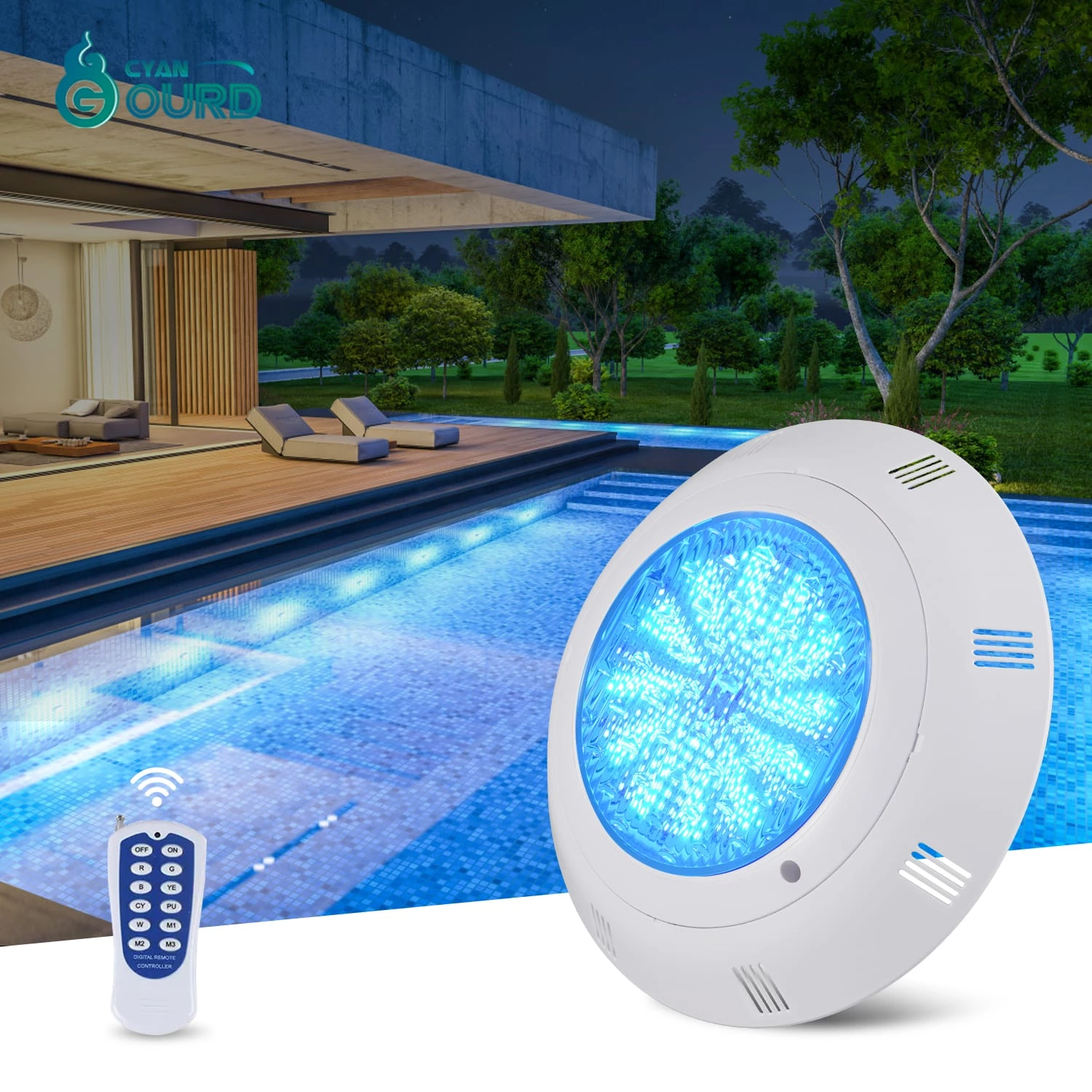
For large-scale aquatic centers, the total cost of ownership (TCO) for halogen lighting is driven primarily by labor-intensive maintenance cycles. Frequent bulb replacements require pool drainage or expensive specialized diving labor, creating system downtime that impacts facility revenue. By adopting a modern Led Pool Light solution, managers can extend maintenance intervals from months to years, fundamentally altering the maintenance budget.
Engineering Comparison: LED Thermal Management vs. Halogen Heat Generation
Halogen bulbs dissipate heat through infrared radiation, which can compromise the structural integrity of older pool niches. Conversely, LEDs require precise thermal pathing. Our Stainless Steel Pool Light (YC series) utilizes advanced heat sink dissipation to pull heat away from the diode junction, preventing thermal degradation in enclosed housing. During factory assembly, we use high-conductivity thermal paste at the board-to-housing interface to ensure consistent operation.
Mitigating Retrofit Risks: Flicker, Automation, and Voltage Compatibility
Retrofitting existing Nicheless Pool Light systems requires careful assessment of legacy controllers. While our drivers are designed for wide compatibility with standard 12V/24V power supplies, we do not claim universal compatibility with every proprietary PLC system. Site-specific pilot tests are mandatory. Furthermore, if your facility utilizes legacy dimming controllers, ensure the installation of compatible PWM dimmers to prevent flicker, as standard halogen-era dimmers often lack the high-frequency response required for LEDs.
| Specification | QR-55 Series | YC Stainless Steel |
|---|---|---|
| Power Input | 12V AC/DC | 12V/24V AC/DC |
| Material | ABS + PC | 316 Stainless Steel |
| IP Rating | IP68 | IP68 |
Environmental Stress Testing: Why IP68 Matters in High-Chemical Commercial Pools
Ingress protection is not merely a label; it is a critical safeguard against chemical corrosion. Our Embedded Pool Light models (QR290-A) are subjected to accelerated aging tests in high-chlorine aqueous environments to verify seal integrity. We utilize specific viton-grade gaskets that withstand chemical degradation better than standard silicone, ensuring long-term IP68 compliance.
Performance Data: MTBF and Lumen Maintenance in Industrial Cycles
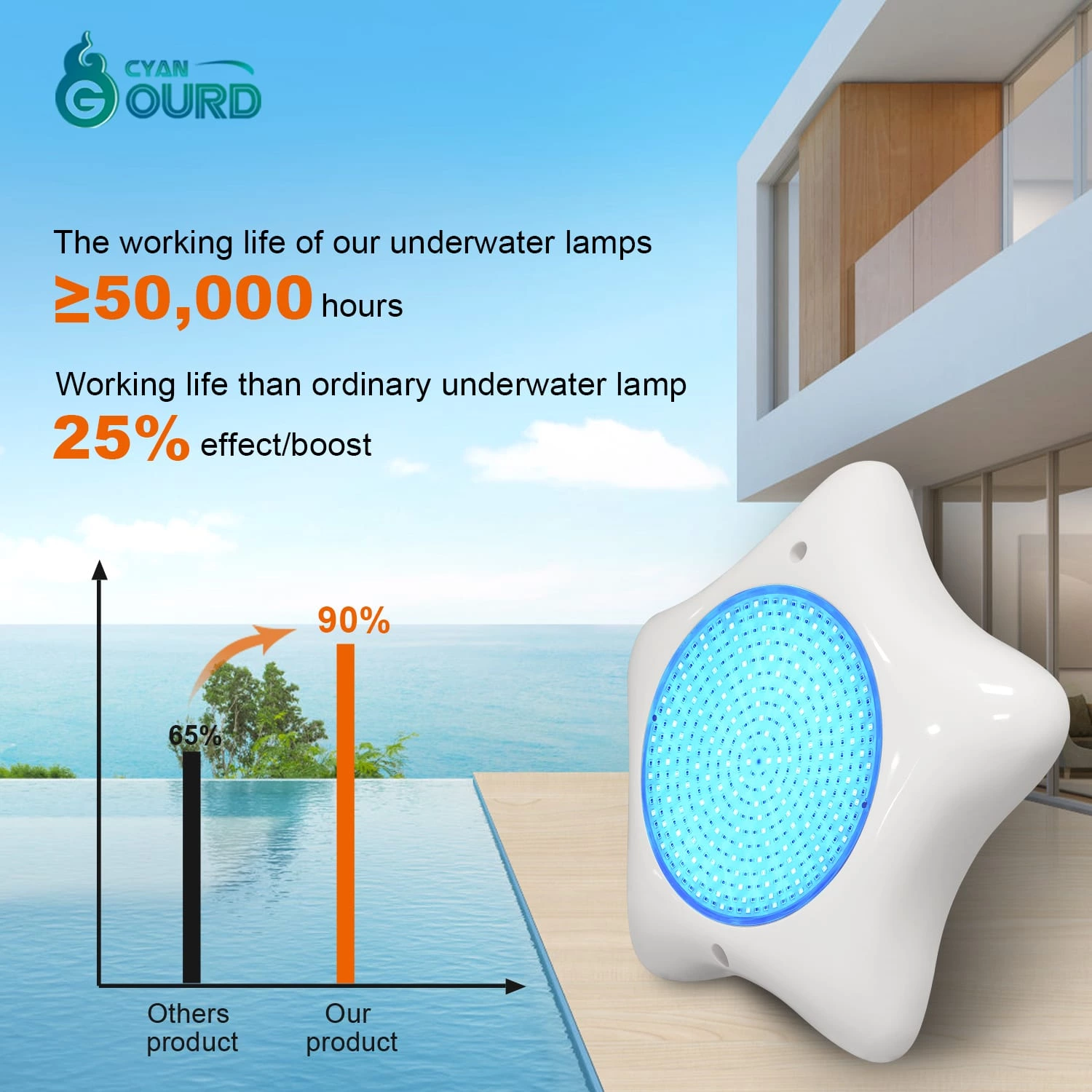
Data from internal accelerated life testing indicates an MTBF (Mean Time Between Failures) exceeding 50,000 hours under rated voltage. Our lumen maintenance reports demonstrate that fixtures retain over 90% of initial lumen output after 10,000+ hours of continuous operation. This stability is achieved through strict current-limiting driver design which protects the SMD 3535 chips from thermal runaway.
Compliance and Safety Standards for Low-Voltage Commercial Lighting
All production adheres to CE EN 62471 photobiological safety standards and IEC 60598-2-18 requirements for underwater luminaires. When sourcing for public facilities, ensure all documentation for IP68 verification and electrical safety is readily available to satisfy local fire marshal and building code inspections.
Frequently Asked Questions
Q: Do I need to replace the entire niche for an LED retrofit?
A: Often, no. If the housing is in good condition, we offer retrofit kits, but site inspections must confirm the existing niche is large enough for the heat dissipation requirements of the LED unit.
Q: How do I handle flicker issues with legacy controls?
A: Flicker is usually caused by impedance mismatches. Ensure you are using a compatible PWM dimmer or upgrading to a driver optimized for your current control system.
Q: What is the impact of saltwater on these units?
A: The YC series, constructed from 316-grade stainless steel, is specifically designed for corrosive environments, including salt-chlorinated commercial pools.
Q: Are these units compatible with 24V power supplies?
A: Our YC series supports a range of low-voltage inputs, including 24V; however, check the specific technical spec sheet for your model to ensure voltage regulation consistency.
Q: What is the primary cause of LED failure in pools?
A: Premature failure is almost always due to water ingress through poor cable sealing or thermal runaway caused by inadequate heat dissipation from the fixture's internal components.
Request Spec Sheets and Lifecycle Performance Data to verify your project requirements.