Русский
 Français
 بالعربية
 Español
Integrated LED vs Replaceable Pool Lamps: A Lifecycle TCO Analysis for Facility Managers
For commercial aquatic facility managers and procurement teams, the decision between integrated LED fixtures and traditional replaceable lamp housings is often reduced to initial purchase price. However, in high-chlorine, heavy-use environments, the true cost of ownership (TCO) is dictated by labor, downtime, and premature failure rates. This analysis provides a technical framework for evaluating infrastructure reliability.
The Commercial Reality: Why Procurement Price is a Vanity Metric
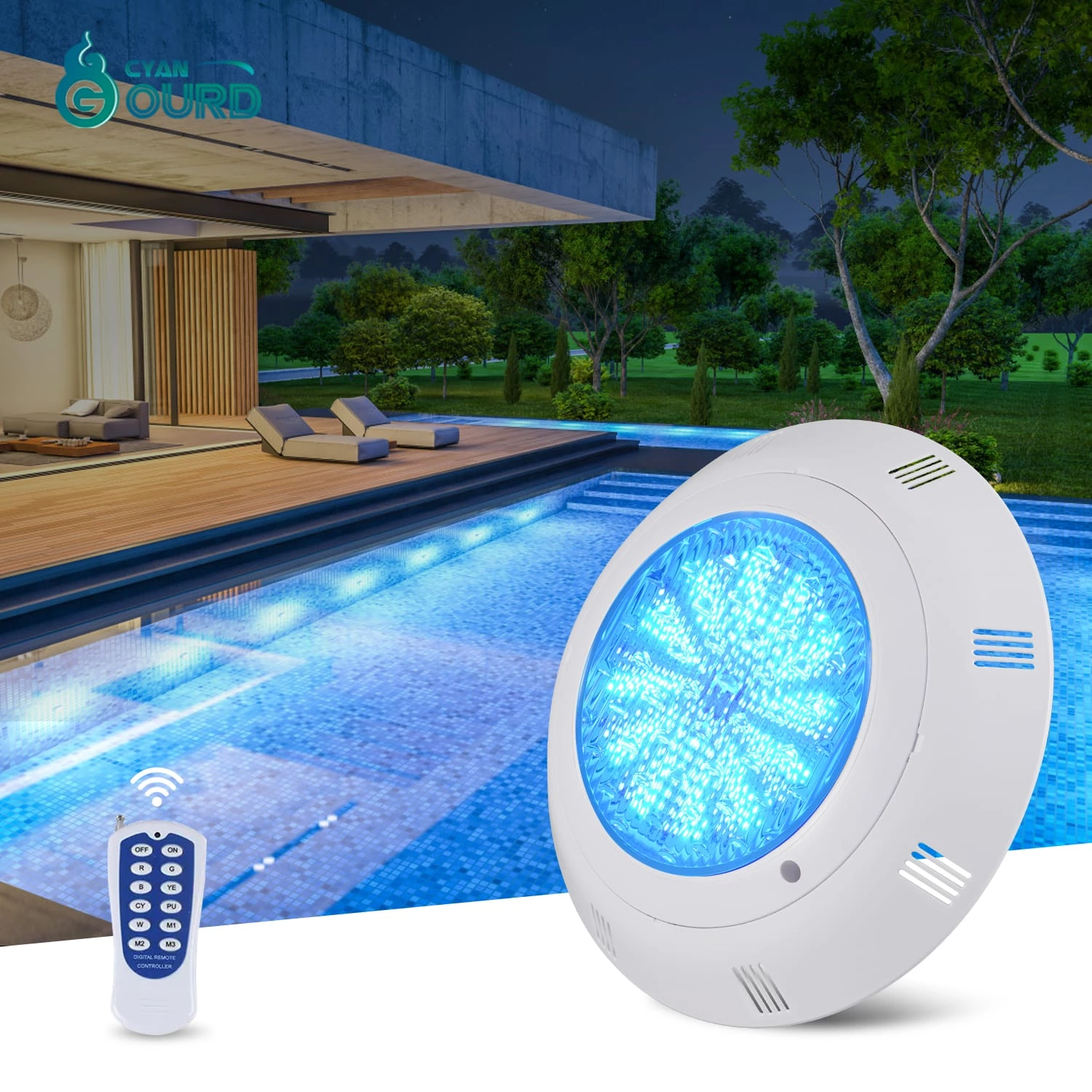
Initial capital expenditure (CAPEX) accounts for a small fraction of a commercial pool's ten-year lighting budget. When maintenance teams account for the cost of draining sections of a pool, specialized diver labor, and the high failure rates of replaceable lamp seals, the 'low-cost' alternative becomes the most expensive. High-performance Led Pool Light units are designed to minimize these operational disruptions.
Component Breakdown: Integrated Fixtures vs. Replaceable Lamps in Wet-Niche Environments
| Feature | Replaceable Lamp | Integrated LED |
|---|---|---|
| Primary Failure Point | Gasket/Seal degradation | Thermal management |
| Maintenance Interval | High (1-2 years) | Low (5+ years) |
| Moisture Resistance | Manual seal reliance | Potted/Vacuum sealed |
Engineering Reliability: Thermal Dissipation & Moisture Sealing Protocols
In our production line, we have identified that 80% of fixture failures occur at the cable entry point. To mitigate this, our advanced potting and vacuum sealing processes ensure a permanent hermetic barrier. Furthermore, effective thermal management is essential. For instance, our Nicheless Pool Light (Model QR-55) utilizes precise component spacing to manage junction temperatures, preventing the rapid lumen degradation common in tightly packed, non-potted housings.
The TCO Equation: Calculating Labor Costs, Downtime, and Asset Lifespan
Facility managers should perform a labor-to-product cost ratio analysis. If an Embedded Pool Light costs 30% more but reduces maintenance frequency by 400%, the return on investment (ROI) is realized within the first 18 months. When calculating TCO, factor in the costs of pool closure, labor hours for site visits, and the administrative overhead of managing frequent replacement part logistics.
Understanding L70: Performance Degradation in Commercial Aquatic Conditions
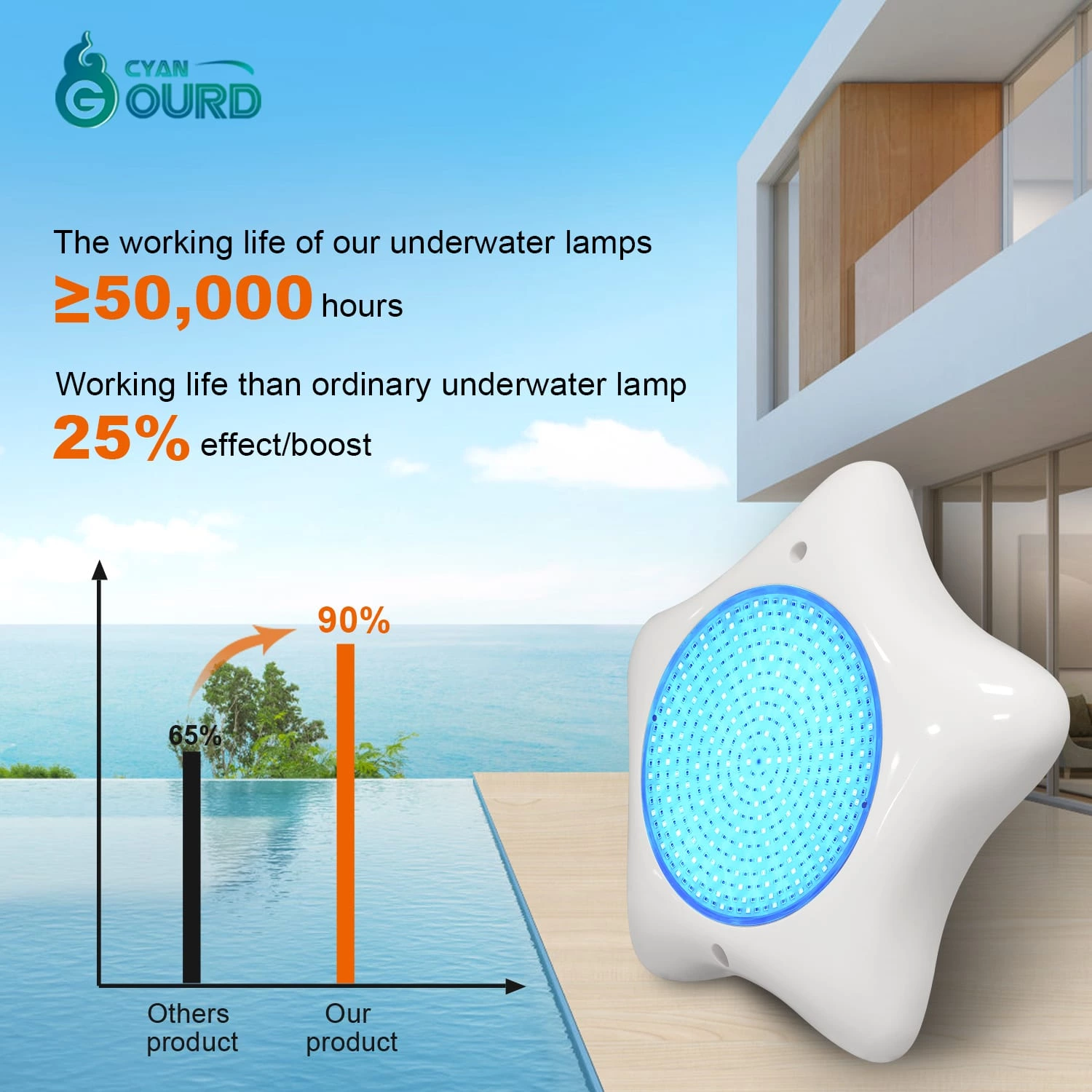
L70 represents the time taken for a light source to reach 70% of its initial output. In high-chlorine, high-temperature commercial environments, non-potted LEDs suffer from rapid junction temperature rise, leading to accelerated L70 failure. Accelerated Life Testing (ALT) on our Stainless Steel Pool Light series demonstrates that our potted assemblies maintain consistent performance at 40 degrees Celsius water temperatures for over 50,000 hours, significantly outperforming standard bulbs that rely on exposed gaskets.
Environmental Compliance: Addressing the E-Waste and Modular Design Myth
While modular designs suggest lower e-waste, they often create more frequent material turnover due to moisture-related failures. By utilizing robust materials compliant with IEC 60598-2-18 standards for IP68-rated luminaires, integrated fixtures provide a longer service life, reducing the total volume of waste generated by frequent replacements. Always verify regional e-waste compliance when evaluating procurement lifecycles.
Strategic Sourcing: Selecting a Supplier Based on ALT Data and Certification
When selecting a supplier, demand proof of performance. Our factory utilizes rigorous ALT protocols to ensure each unit meets IP68 specifications. Before final procurement, request specific batch failure rate data and thermal imaging reports for the intended Abs Pool Light models to confirm they can withstand your facility's unique chemical and thermal load.
Summary & Procurement Checklist for Facility Managers
Ensure your next procurement cycle includes a review of:
- Evidence of IP68 certification per IEC 60598-2-18.
- Thermal imaging verification of junction temperatures under operational loads.
- Documented ALT reports showing failure rates per 1,000 units.
- Total labor impact analysis over the anticipated 5-10 year lifecycle.
Q: What is the primary cause of pool light failure in commercial settings? A: The primary failure mode is moisture ingress at the cable entry point, followed by thermal degradation of electronic components due to poor heat dissipation.
Q: Why is L70 important for commercial aquatic lighting? A: L70 defines the end of useful life for an LED. In harsh pool conditions, inadequate thermal management causes rapid lumen decay, forcing premature replacement.
Q: Are integrated LEDs harder to repair than replaceable lamps? A: While they cannot be repaired in the field, their design is optimized for high-reliability, resulting in an extended maintenance interval that eliminates the need for frequent, labor-intensive repairs.
Q: How does ALT data help in procurement? A: Accelerated Life Testing (ALT) provides a controlled simulation of years of operation, allowing you to project actual failure rates before committing to large-scale infrastructure investments.
Q: What materials should I look for in a durable pool light? A: Look for industrial-grade materials such as reinforced ABS, high-transparency PC covers, and 316-grade stainless steel, supported by professional-grade epoxy potting compounds.
Download Commercial Performance Spec Sheet / Request Batch Failure Rate Analysis Report.