Русский
 Français
 بالعربية
 Español
OEM/ODM Customization Trends in Pool LED Lights: Meeting Global Regulatory Standards
For procurement managers and product development leads, the journey from design concept to market-ready product is fraught with regulatory hurdles. Failing to align early with international safety standards often leads to customs rejection, costly product recalls, and project delays. As a manufacturer, we provide the technical transparency necessary to ensure your Led Pool Light projects meet the rigorous demands of global infrastructure requirements.
The High Stakes of Compliance in Pool Lighting OEM/ODM
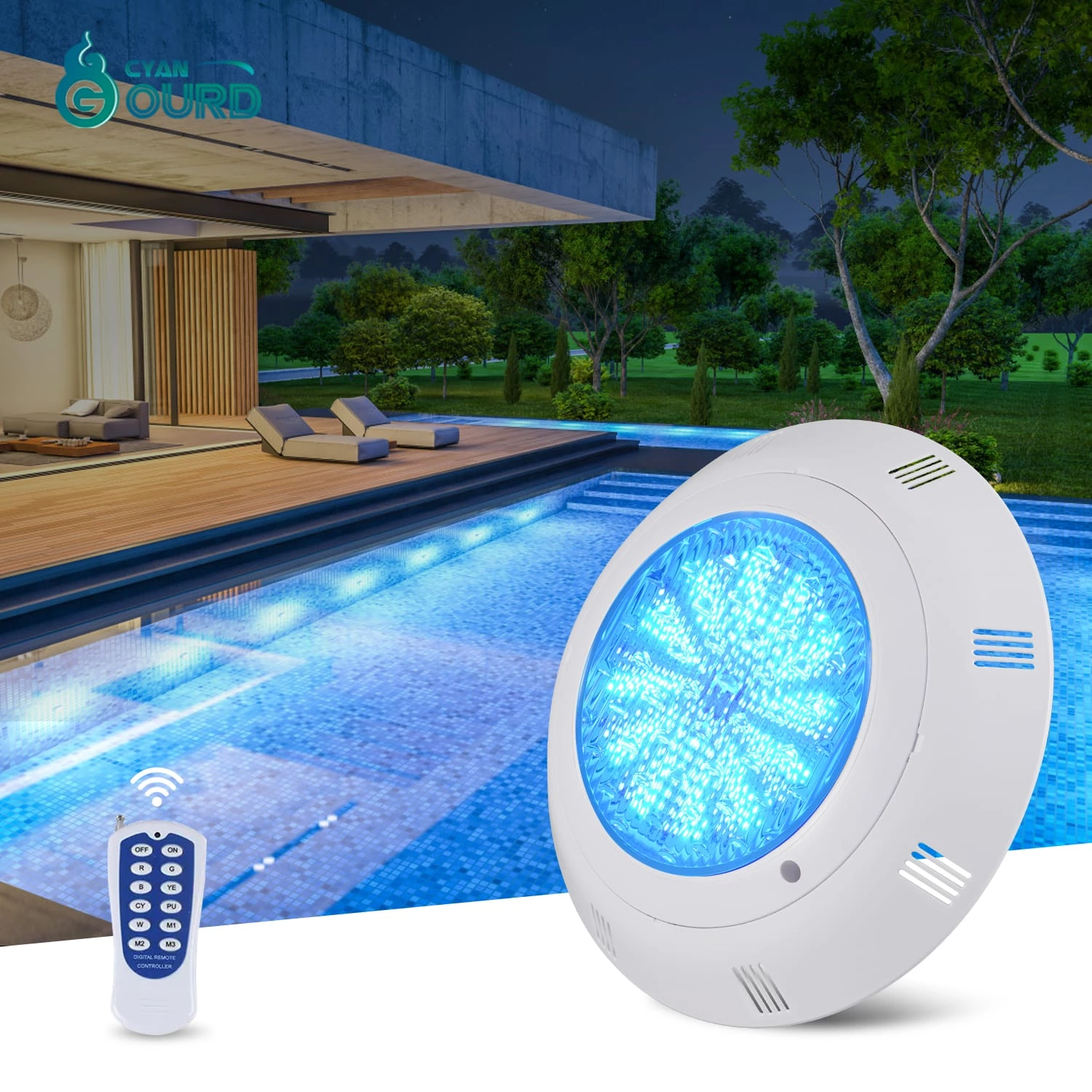
In the world of underwater lighting, safety is non-negotiable. Regulatory bodies require strict adherence to waterproofing and electrical isolation protocols. When developing a custom Nicheless Pool Light, such as our QR55 model, design-phase collaboration is the only way to mitigate risk. By auditing thermal management and housing integrity during the prototype phase, we help your brand avoid the late-stage discovery of structural failures.
Decoding Regulatory Standards: IEC 60598-2-18 and NEC Article 680
Our engineering team designs products to align with core global standards. Specifically, we focus on IEC 60598-2-18, which sets the safety requirements for fixed luminaires intended for use in swimming pools. For North American markets, our design considerations mirror the requirements of NEC Article 680 regarding low-voltage lighting systems. Adhering to these frameworks requires meticulous documentation of electrical insulation and the use of approved low-voltage components to ensure safe underwater operation.
Material Science & Heat Management
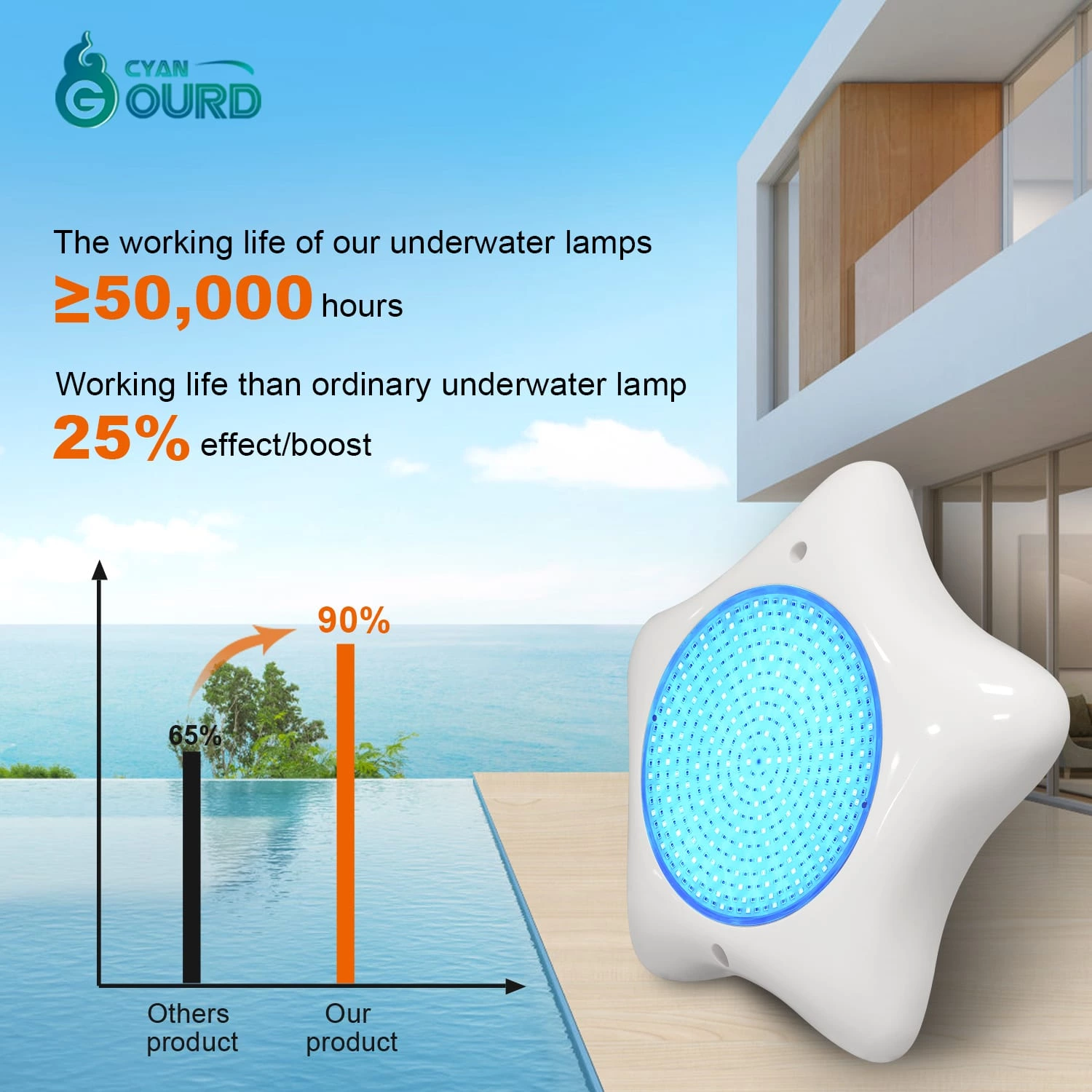
The choice of material dictates the thermal performance and longevity of an underwater light. We offer expertise in both 316L stainless steel for high-end, corrosive-resistant applications and specialized polymers for cost-optimized projects. For instance, our internal heat dissipation test reports show that our specific driver housing designs provide a 15 percent improvement in thermal conductivity compared to standard polycarbonate enclosures, directly extending the lifespan of the LED modules.
| Design Feature | Standard Material | Performance Impact |
|---|---|---|
| Housing Material | 316L Stainless Steel | High corrosion resistance, superior heat sink efficiency |
| Lens Material | 3mm Tempered Glass | 5x impact resistance vs standard 2mm plastic |
| Sealing Method | Polyurethane Potting | Guaranteed IP68 rating for extreme underwater pressure |
Technical Design Synergy: Integrating Potting Compounds
Safety underwater is heavily dependent on the integrity of the electrical seal. We utilize a precise selection process for potting compounds based on the voltage requirements of the luminaire. For 12V systems, we implement compounds with low thermal resistance but high dielectric strength to prevent water ingress and short-circuiting. This technical rigor ensures that every Embedded Pool Light we produce is built for long-term submersion.
From Prototype to Product: The Role of Internal Lab Testing
Our ISO 9001 certified quality control process is integrated into every stage of production. Before any batch moves to full-scale assembly, we conduct rigorous prototype validation in our internal laboratory. This includes IP68/IP69K pressure testing, ensuring our Stainless Steel Pool Light series can withstand sustained hydrostatic pressure without failure.
Partnering for Global Market Entry
Manufacturing is only half the battle; global market entry requires comprehensive documentation. We provide technical files, test reports, and support for third-party certifications (UL, CE, RoHS) to ensure your brand-labeled products face zero friction at customs. By leveraging our pre-compiled data sets, you reduce the time and cost associated with obtaining regional safety certifications.
Q: How do you verify IP68 ratings for mass production?
A: We perform batch testing where units are submerged in pressurized water chambers at specified depths for a minimum of 24 hours, consistent with international testing standards.
Q: Can you help with CE certification for my custom lighting brand?
A: Yes, we provide full technical documentation, including thermal reports and material safety datasheets, required for CE/RoHS certification processes.
Q: What is the benefit of your 316L stainless steel vs. plastic?
A: 316L stainless steel provides superior longevity in saline environments and higher thermal dissipation, which is critical for high-wattage underwater LEDs.
Q: How does NEC Article 680 influence your design process?
A: We design exclusively for low-voltage (12V) operation for underwater applications to ensure compliance with stringent safety circuits defined in NEC guidelines.
Q: What is the typical lead time for compliance-ready prototypes?
A: By utilizing our existing validated housing platforms, we can reduce prototype validation cycles to as little as 3-4 weeks for custom-spec orders.