Русский
 Français
 بالعربية
 Español
OEM Pool Lighting Certification Standards: A Technical Guide for B2B Procurement
For B2B procurement managers and technical directors, the safety and reliability of Led Pool Light systems are non-negotiable. Importing non-compliant lighting hardware poses significant risks, including project failure, legal liability, and the high cost of recalls. Navigating the regulatory landscape requires a deep understanding of Navigating International Safety Certifications Pool requirements and manufacturing verification.
The High Cost of Non-Compliance: Why B2B Buyers Must Vet OEM Certification
In wholesale lighting, documentation is as critical as the hardware itself. Without verifiable test reports, you are effectively accepting the liability for field failures. Manufacturers must provide evidence that their products meet international safety benchmarks. Our factory-floor experience shows that relying on claims without supporting data often leads to moisture ingress issues in harsh pool environments, where improper sealing and thermal management can destroy internal drivers within months.
Regional Certification Decoded: UL 676 (North America) vs. IEC 60598-2-18 (Global)
UL 676 governs the safety of underwater luminaires and swimming pool lighting in North America, focusing heavily on electrical isolation, ground-fault protection, and physical seal integrity. In contrast, the IEC 60598-2-18 standard provides the international framework for luminaires designed for swimming pools and similar areas. While they share the goal of safety in wet conditions, the specific testing methods, such as immersion depth and electrical leakage thresholds, vary. Procurement teams must clarify which standard is required by local building codes to ensure the fixture is legally permitted for installation.
The Full-Fixture Audit: Differentiating Between Component Certification and System Compliance
A common pitfall in procurement is assuming that a fixture is certified because its LED driver or LED chip is CE or UL marked. This is incorrect. A final fixture certification covers the interaction of all components, including thermal dissipation, housing, gaskets, and cabling. We emphasize that full-fixture certification reports are the only way to confirm system-level compliance.
| Feature | Component-Level | Full-Fixture Compliance |
|---|---|---|
| Liability Coverage | Limited to part failure | Covers end-to-end system |
| Safety Validation | Manufacturer-specific | Third-party verified safety |
| Installation Suitability | Unknown | Tested for specific environment |
Material Science in Submersible Lighting: Thermal Conductivity and Corrosion Resistance
Submersible lights must manage internal heat to prevent refractive index shifts and lens fogging. For example, our Nicheless Pool Light QR55 utilizes thermally conductive potting compounds to pull heat away from the LED diode, ensuring long-term color consistency. When dealing with salt-water versus chlorine pools, manufacturers should provide batch-specific salt-spray corrosion resistance reports, ensuring materials meet ASTM-G85 specifications rather than relying on standard stainless steel ratings that may fail in high-salinity environments.
Behind the Assembly Line: Validating IP68 Claims through Vacuum Testing
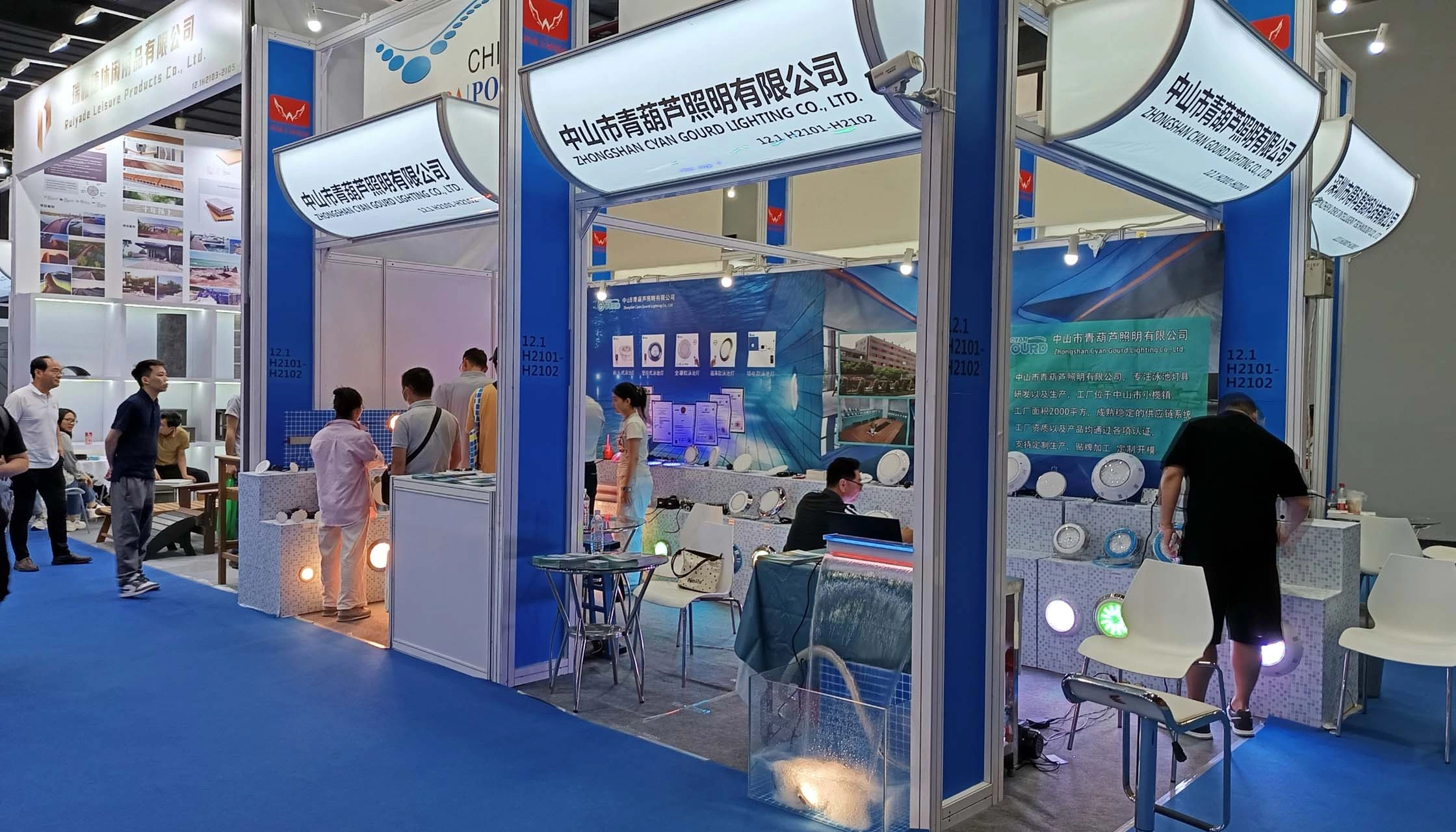
Real-time quality control is the backbone of production. In our factory, we implement a vacuum-chamber pressure testing protocol during the assembly cycle. Every unit is subjected to pressure differentials to verify the integrity of the seals before final potting. This is vastly superior to random sampling. We suggest asking your OEM partner for their Standard Operating Procedure (SOP) regarding IP68 validation to ensure it includes 100% of units, not just prototypes.
Procurement Checklist: How to Request Verifiable Test Reports
When vetting a supplier, request the following documentation:
- Full-fixture UL 676 or IEC 60598-2-18 certificates.
- CE EN 55015 test reports confirming EMC compliance.
- Documented proof of vacuum-chamber pressure testing cycles.
- Batch-specific corrosion resistance reports for high-salinity applications.
Q: Why is component-level certification insufficient?
A: Components only function safely when integrated properly; testing must occur on the assembled unit to account for heat dissipation, seal integrity, and internal wiring standards.
Q: What is the benefit of thermal potting?
A: Thermal potting compounds transfer heat from LEDs to the fixture body, preventing the refractive index instability that causes light beam distortion and premature failure.
Q: What does IP68 compliance actually mean in an OEM context?
A: It means the product has been tested to withstand long-term immersion in water at depths specified by the manufacturer, verified by rigorous pressure-testing protocols.
Q: How do salt-water environments affect lighting?
A: High salinity accelerates galvanic corrosion; only materials verified through salt-spray testing (such as ASTM-G85) should be used in these specific environments.
Q: What is the difference between a nicheless and a standard pool light?
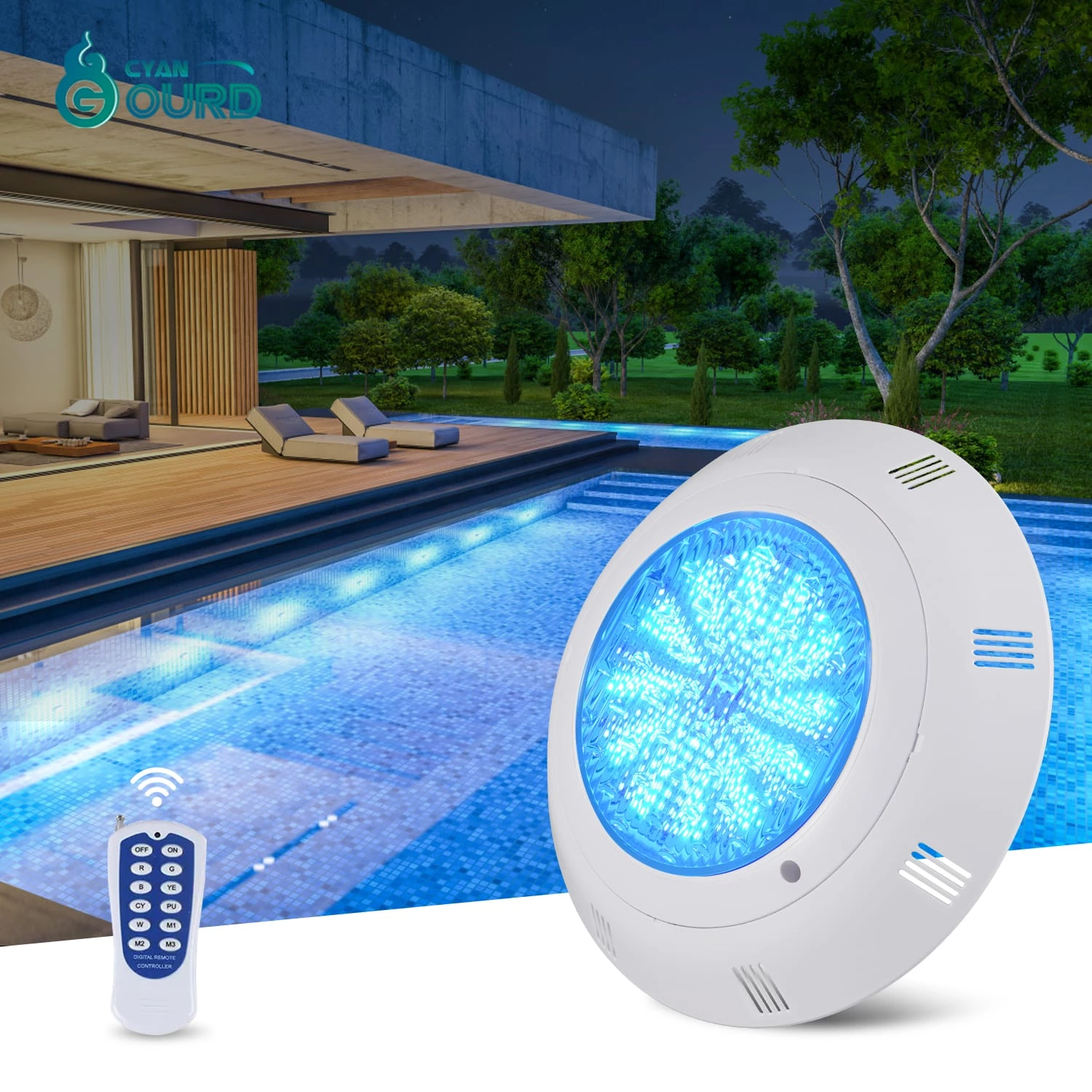
A: Nicheless models like the QR55 are designed for direct mounting, reducing installation costs while still requiring stringent IP68 testing to ensure electrical safety.
To obtain our comprehensive compliance documentation packet and current laboratory test reports, please contact our technical support team.