Русский
 Français
 بالعربية
 Español
Sourcing Wholesale RGB Pool Light Solutions: Customization and OEM Branding Strategies
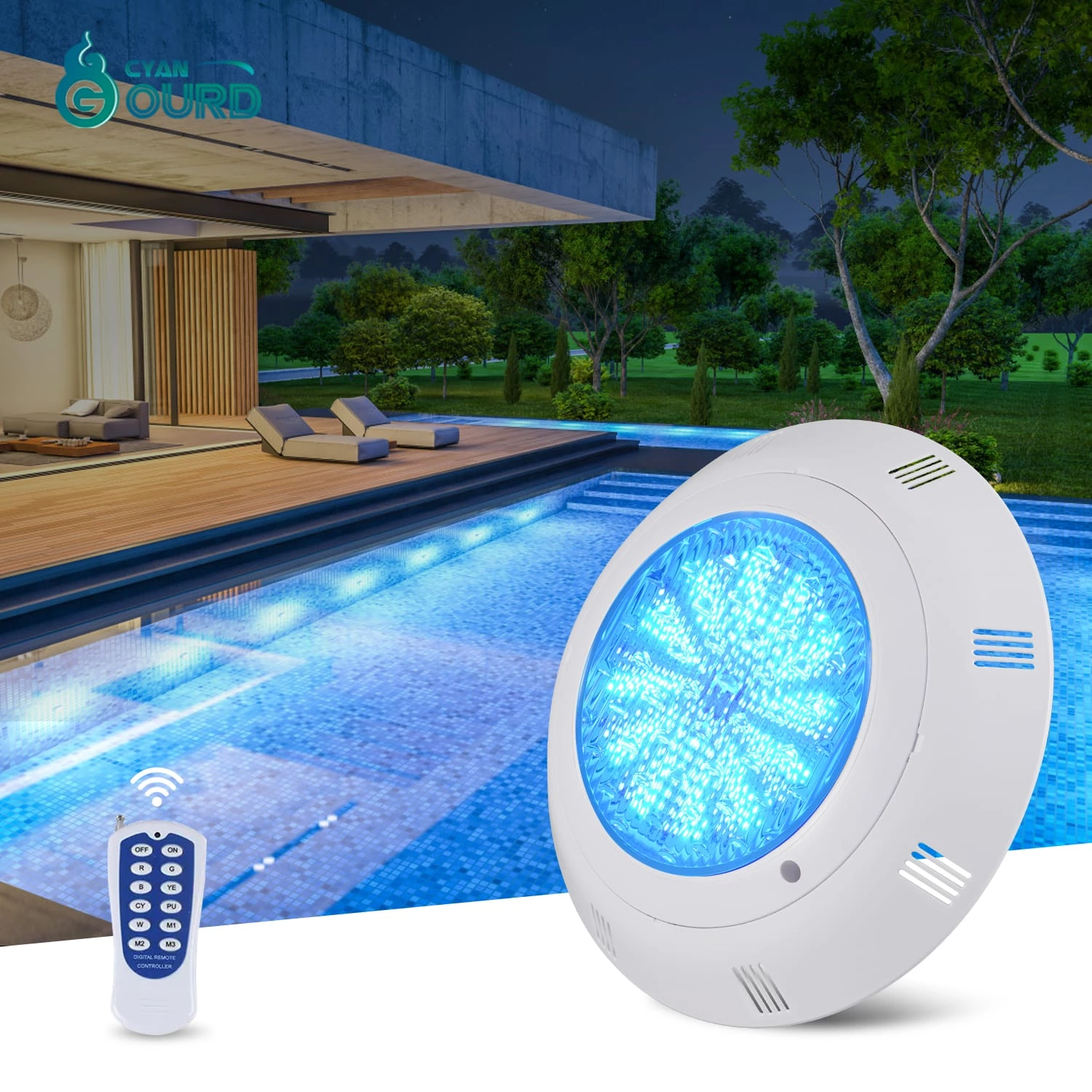
Procuring reliable, high-performance underwater lighting requires a delicate balance between distinct brand identity and uncompromising technical reliability. For procurement managers and commercial project contractors, the challenge lies in securing Led Pool Light solutions that withstand the harsh chemical environments of aquatic facilities while meeting specific automation requirements. This guide outlines the strategic approach to selecting an OEM partner that prioritizes thermal management, standardized color consistency, and scalable customization.
The Strategic Value of Custom RGB Pool Lighting in Modern B2B Projects
In modern commercial aquatics, lighting serves as both a functional safety requirement and a critical design element. While off-the-shelf products may suffice for residential retail, large-scale projects demand bespoke configurations. Customizing your Nicheless Pool Light inventory allows you to enforce brand recognition while ensuring the product specifications meet the precise hydraulic and electrical standards of your regional market.
Engineering for Longevity: PCB Thermal Management and Resin-Encapsulation Standards
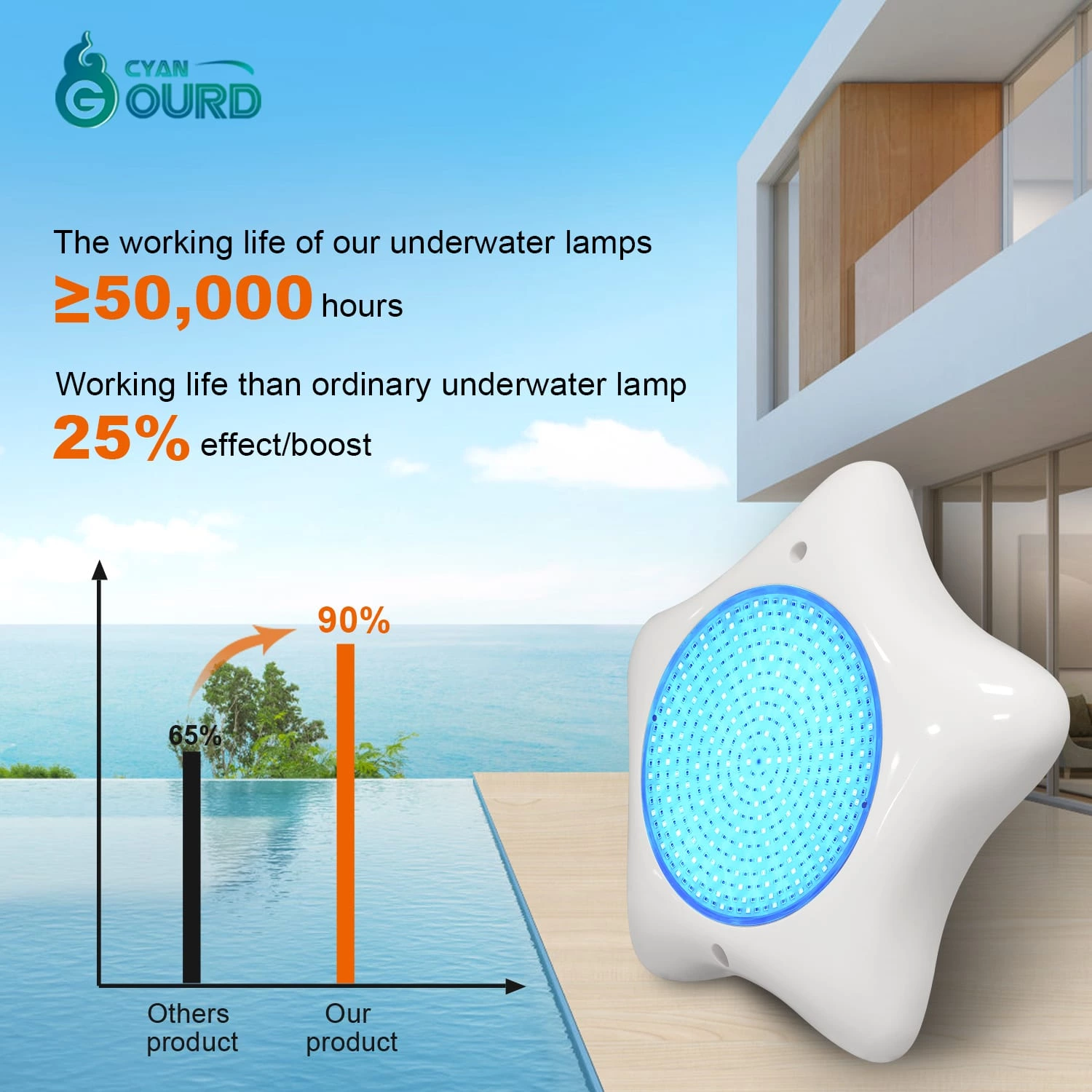
Thermal management is the primary determinant of diode longevity in underwater applications. In our production line, we utilize advanced resin-encapsulation techniques that prevent moisture ingress while facilitating rapid heat dissipation away from the LED junction. For instance, the QR55 series employs a specialized thermal-conductive substrate that maintains optimal operating temperatures, significantly reducing the rate of lumen depreciation. Adherence to IEC 60598-2-18 standards ensures that our seals remain intact under constant hydrostatic pressure, verified by routine pressure chamber logs conducted at depths equivalent to 3 meters of water immersion.
Navigating Customization: Lead Times and Cost Drivers for Branding vs. Housing Molds
| Project Type | Lead Time Estimate | Primary Cost Driver |
|---|---|---|
| Simple Branding (Laser Etching) | 2-4 Weeks | Unit volume and setup fees |
| Full Custom Housing | 12-16 Weeks | Tooling and mold calibration |
Technical Integration: Ensuring Compatibility with DMX/PWM Pool Automation Protocols
Modern commercial projects require lighting to sync with external control systems. We specialize in DMX512 and PWM protocol integration, allowing for fluid color transitions and centralized control. When sourcing, ensure your partner provides spectral power distribution (SPD) charts to verify RGB diode color rendering performance. We test our controllers for signal stability across long cable runs, ensuring that even in multi-unit installations, the lighting array maintains a unified response to automation commands.
Solving the Color Shift Problem: Maintaining Batch-to-Batch Uniformity
Color consistency is a major hurdle in large-scale procurement. Our manufacturing facility implements strict LED binning processes; we categorize diodes by exact wavelength and luminous flux output before assembly. During our QC reporting, we compare current batches against a master sample using calibrated spectroradiometers. This rigorous verification ensures that if a distributor replaces a unit in a 100-light installation three years later, the color output remains indistinguishable from the original batch.
The Verification Checklist: A Procurement Guide to Factory Audits
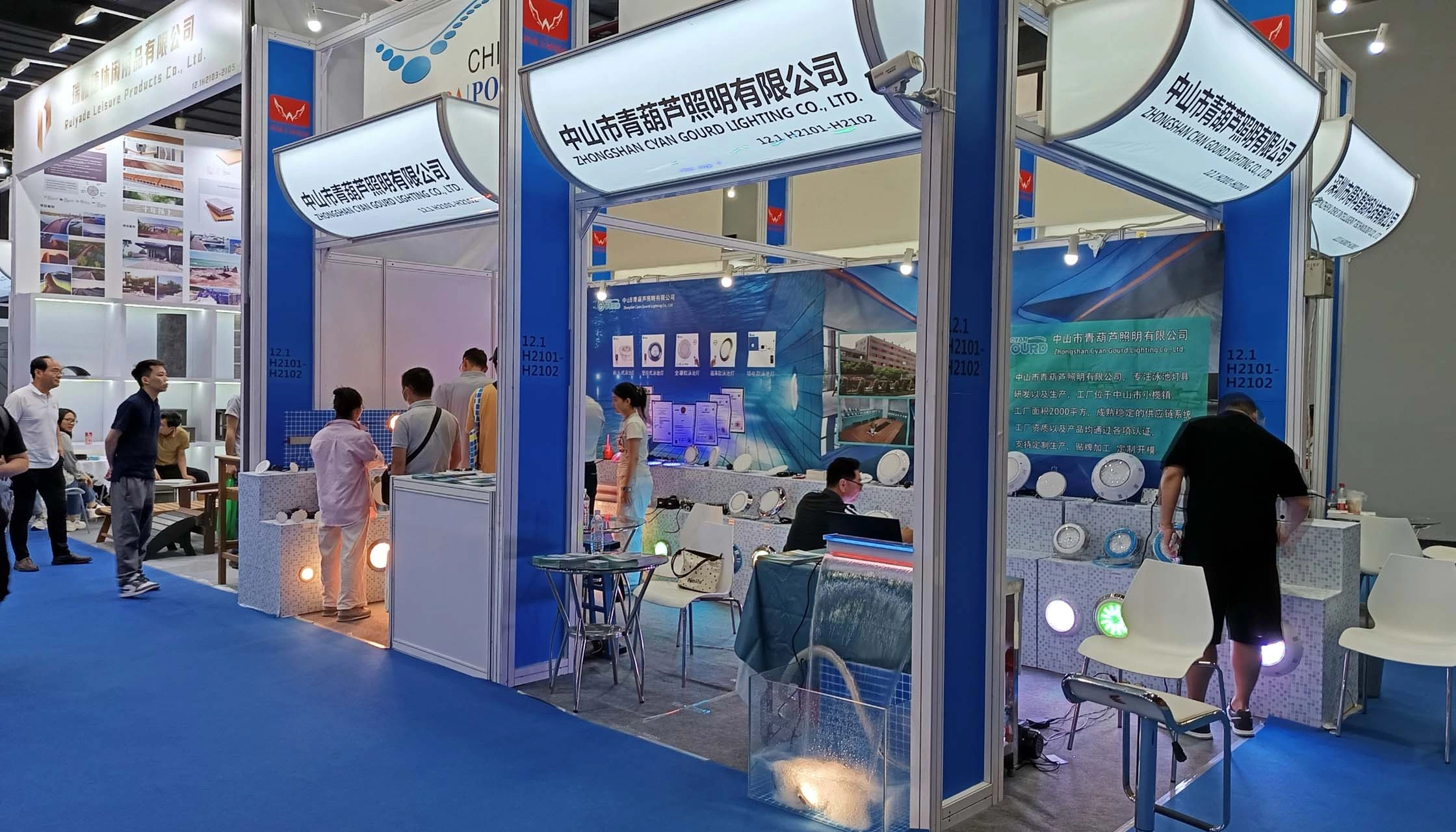
To ensure high quality, every wholesale buyer should request the following evidence: IP68 pressure chamber certificates, LM-80 lumen maintenance test reports, and a batch-specific QC log. When auditing a facility, pay attention to the molding environment; debris in the housing molds can lead to microscopic gaps in the resin seal, risking long-term failure in high-salinity or high-temperature water. Request a technical spec sheet and discuss your specific automation requirements to confirm our team can support your branding objectives.
Future-Proofing Your Inventory
Whether you choose standard models or custom housing, prioritize modular electronics that can be updated as control protocols evolve. Aligning with a manufacturer that emphasizes transparent reporting and standardized production cycles allows you to maintain consistent quality while scaling your business operations. Sourcing Pool Lights Manufacturing processes that are documented and repeatable is the most effective way to protect your reputation in the B2B market.
Frequently Asked Questions
Q: What is the difference between simple branding and full custom molds?
A: Simple branding involves laser etching or custom packaging on existing housings, whereas full custom molding requires creating new injection molds, significantly increasing lead times and upfront investment.
Q: How do you handle RGB controller compatibility?
A: We design our controllers to support universal DMX and PWM protocols, ensuring they can interface with a wide range of external automation systems without requiring proprietary software.
Q: What does an IP68 certification involve?
A: IP68 compliance testing requires the product to remain water-tight under specified pressure conditions, usually tested by immersing the light in a pressurized chamber for a set duration, often exceeding 24 hours.
Q: How do you ensure color uniformity across different production batches?
A: We use strict diode binning and spectral analysis. Each batch is verified against a master reference sample to ensure wavelength stability and brightness are consistent.
Q: What documentation should I request during a factory audit?
A: Always ask for the factory's pressure chamber logs, LM-80 lumen maintenance test data, and a sample of their QC reporting template to verify their internal quality systems.