Русский
 Français
 بالعربية
 Español
Why Blue Pool Lights Are Commonly Used In Hotel And Resort Swimming Pools
Why Blue Pool Lights Are Commonly Used In Hotel And Resort Swimming Pools
In the hospitality industry, the swimming pool is often the centerpiece of a hotel or resort, serving as a primary attraction for guests seeking relaxation and luxury. Lighting plays a pivotal role in defining the ambiance of these aquatic environments. Among the various color options available, blue remains the overwhelmingly dominant choice for commercial swimming pools. This preference is not merely a trend but is rooted in color psychology, water physics, safety requirements, and technological efficiency. As a manufacturer of professional LED swimming pool lights, we understand the specific demands of commercial projects and why blue LED fixtures are the standard for high-end hospitality venues.
The Psychology of Blue: Enhancing Guest Relaxation
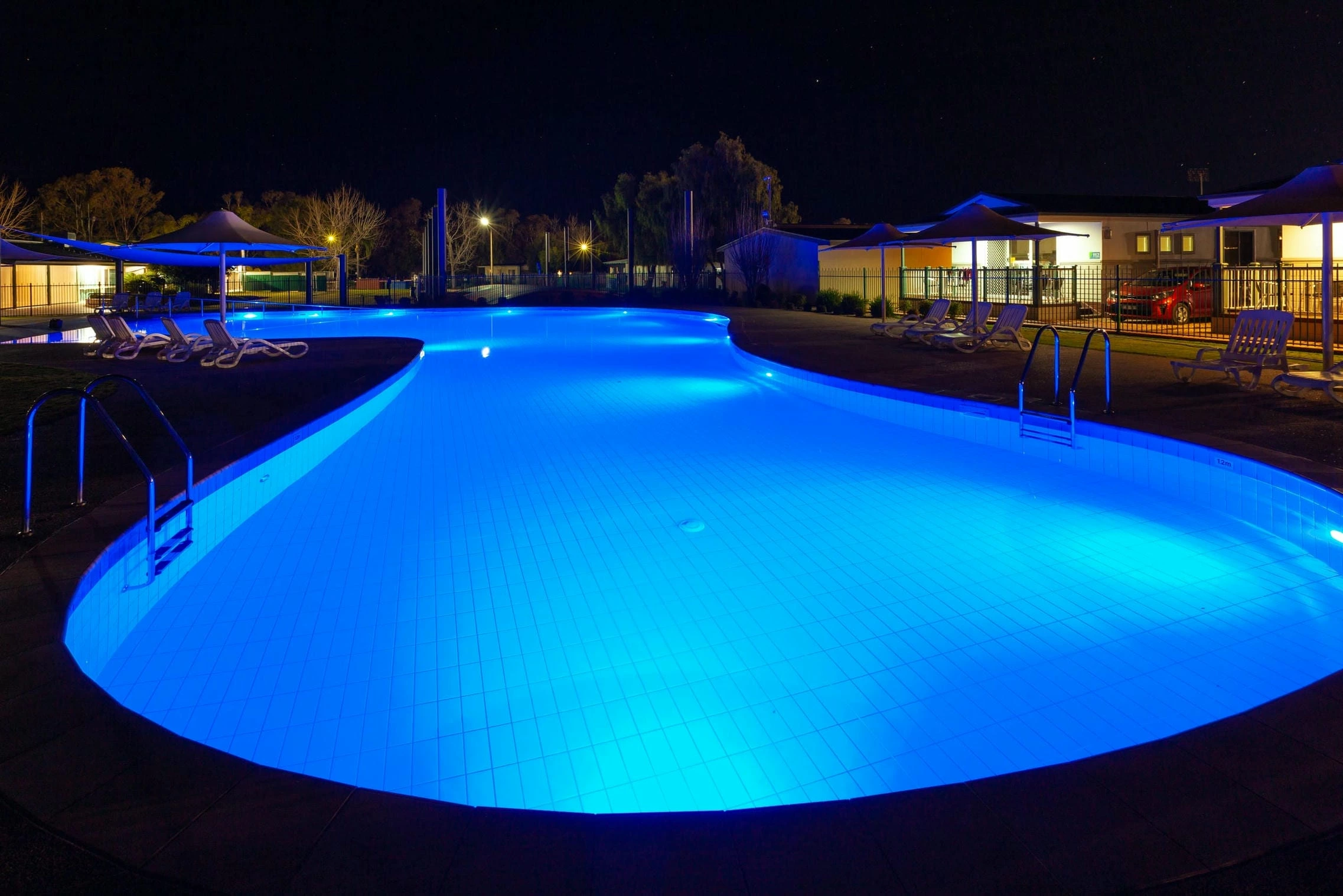
Hotels and resorts aim to create an oasis of calm for their guests. Psychologically, the color blue is intrinsically linked to feelings of tranquility, serenity, and cleanliness. It mimics the natural hues of the ocean and the sky, triggering a relaxation response in the human brain. When a pool is illuminated with a deep or cool blue light, it transforms the water into an inviting sanctuary. For commercial establishments, this psychological impact is crucial; it enhances the perceived value of the facility and encourages guests to spend more time by the pool, thereby increasing engagement with hotel amenities.
Water Clarity and Visual Hygiene
Perception of hygiene is paramount in the hotel industry. Water naturally absorbs red light and reflects blue light, which is why deep water appears blue. However, in shallower hotel pools, artificial lighting is required to achieve that pristine look at night. Blue LED lights enhance the natural transparency of the water, making it appear cleaner and more crystalline. White lights, while bright, can sometimes highlight suspended particles or imperfections on the pool surface, whereas blue light tends to mask minor sediments while emphasizing the water's clarity. This creates a visual assurance of hygiene that is essential for guest confidence.
Safety and Visibility in Commercial Environments
Safety is the top priority for any commercial pool operator. While aesthetic appeal is important, visibility is non-negotiable. Blue light has a short wavelength and high energy, allowing it to penetrate water effectively without causing excessive glare on the surface. This ensures that lifeguards and staff can clearly see the bottom of the pool and identify swimmers in distress. Unlike darker colors or rapidly changing RGB effects which might obscure visibility, a steady blue illumination provides consistent contrast against the pool floor and swimmers, adhering to safety protocols required in public hospitality settings.
Comparison of Lighting Colors in Hospitality Settings
When selecting lighting for hotel pools, facility managers often weigh the benefits of blue LEDs against other options like pure white or dynamic RGB systems. The following table outlines why blue is often the balanced choice for commercial applications.
| Feature | Blue LED Lighting | Pure White LED Lighting | RGB Color Changing |
|---|---|---|---|
| Primary Atmosphere | Relaxing, Premium, Aquatic | Functional, Bright, Clinical | Dynamic, Party, Event-focused |
| Water Appearance | Crystal Clear, Deep Blue | Transparent, High Visibility | Variable (depends on color) |
| Glare Potential | Low (Soft on eyes) | High (Can be harsh at night) | Medium (Color dependent) |
| Maintenance Visibility | Excellent | Superior | Good |
| Best Use Case | Luxury Resorts, Spas, Hotels | Competition Pools, Gyms | Water Parks, Themed Events |
Energy Efficiency and Technical Durability
Modern hotels are increasingly focused on sustainability and reducing operational costs. Historically, achieving a blue hue required placing filters over white halogen bulbs, which significantly reduced light output and wasted energy. Today's dedicated blue LED chips produce intense, saturated color directly without filters, offering superior energy efficiency. For commercial installations, we recommend fixtures constructed with 316L stainless steel and high-grade ABS materials to withstand the corrosive nature of chlorinated or saltwater pools. Furthermore, utilizing low-voltage AC/DC 12V or 24V systems ensures compliance with strict electrical safety codes required for public access areas.
Installation and Waterproofing Standards
The reliability of pool lighting in a hotel setting is critical; downtime for maintenance can disrupt guest experiences and result in revenue loss. Therefore, commercial projects demand lights with a certified IP68 waterproof rating. Advanced resin-filled technology is often employed to ensure a complete seal against water ingress, protecting the internal LED components. When sourcing lights for a resort project, it is vital to select manufacturers that test for long-term submersion and thermal management. This ensures that the blue aesthetic remains consistent and vibrant over years of nightly operation, minimizing the need for frequent replacements.
Frequently Asked Questions
1. Why do hotels prefer blue LEDs over color-changing RGB lights?
While RGB lights offer versatility, many hotels prefer static blue LEDs because they provide a consistent, upscale brand image and a calming atmosphere that appeals to the majority of guests, without the complexity of managing color programs.
2. Does blue light help with pool safety at night?
Yes, blue light offers excellent transmission through water, providing good contrast that allows lifeguards to see the bottom of the pool clearly, which is essential for monitoring swimmer safety during evening hours.
3. Are blue LED pool lights energy efficient for large resorts?
Absolutely. Dedicated blue LEDs are highly efficient compared to filtered halogen lights. They consume significantly less power while delivering high lumen output, helping large resorts reduce their overall energy footprint.
4. What voltage is recommended for commercial hotel pool lights?
For safety compliance in commercial settings, low voltage systems, specifically AC/DC 12V or 24V, are the standard. High-voltage lighting poses significant risks and is generally prohibited in modern pool construction codes.
5. Can existing hotel pools be retrofitted with blue LED lights?
Yes, many LED manufacturers offer retrofit solutions that fit into existing niches or surface-mounted fixtures. It is important to verify the niche size and ensure the new lights meet IP68 standards and match the existing transformer voltage.