Русский
 Français
 بالعربية
 Español
Why LED Pool Lighting Has Become the Standard for Modern Swimming Pools
Why LED Pool Lighting Has Become the Standard for Modern Swimming Pools
The swimming pool industry has undergone a significant technological shift over the last decade, with Light Emitting Diode (LED) technology rapidly replacing traditional incandescent and halogen fixtures. For distributors, contractors, and pool builders, understanding the drivers behind this transition is crucial for procurement and project planning. LED pool lighting is no longer just an alternative; it is the industry standard for modern aquatic environments, driven by superior energy efficiency, extended operational lifespans, and advanced control capabilities.
Unmatched Energy Efficiency and Operational Cost Reduction
The primary driver for the adoption of LED lighting in commercial and residential pools is energy efficiency. Traditional halogen bulbs waste a significant amount of energy as heat, whereas high-quality LED chips convert the vast majority of energy into light. For large-scale commercial projects, such as hotel pools or municipal aquatic centers, switching to LED can reduce lighting energy consumption by up to 80%. This drastic reduction in operational costs makes the return on investment (ROI) for LED fixtures highly attractive to facility managers and property owners.
Superior Durability and Extended Lifespan
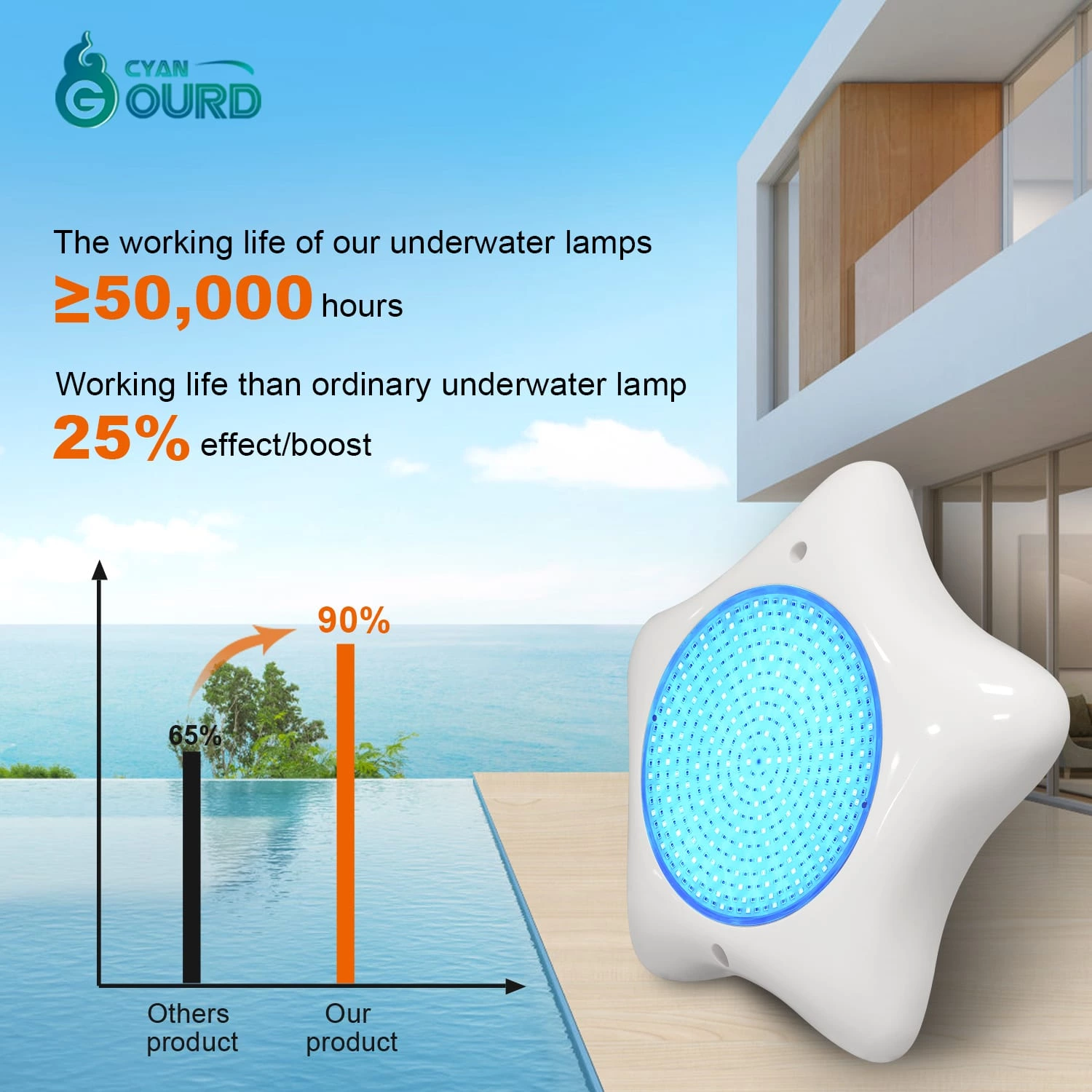
Maintenance is a critical pain point in pool management. Changing underwater bulbs requires draining water or hiring specialized divers, both of which are costly and disruptive. Modern LED pool lights are engineered for longevity, often rated for 50,000 hours or more of operation. At Cyangourd Lighting, our fixtures utilize advanced resin-filled technology and 316L stainless steel housing to ensure complete IP68 waterproof integrity. This robust construction prevents water ingress and corrosion, significantly extending the replacement cycle compared to fragile halogen filaments.
Enhanced Safety with Low Voltage Systems
Safety is paramount in underwater electrical installations. Modern LED pool lights are designed to operate on low voltage systems, typically AC/DC 12V or 24V. This low-voltage requirement drastically reduces the risk of electrical shock, making them safer for swimmers and maintenance personnel alike. Furthermore, the lower heat emission of LEDs prevents the fixtures from becoming dangerously hot, protecting the pool liner and preventing accidental burns during operation.
Aesthetic Versatility and Smart Control Integration
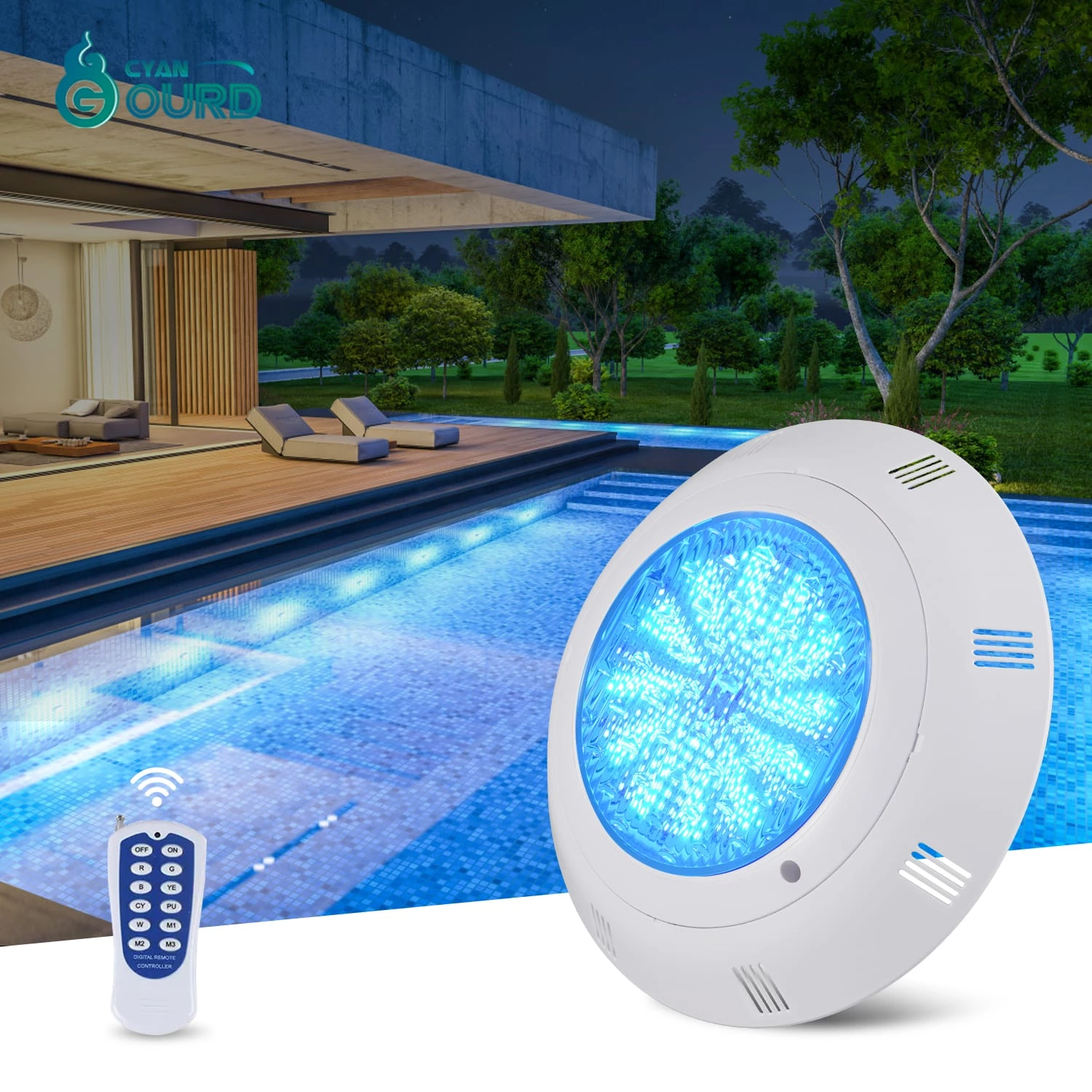
Beyond functionality, LED technology offers unparalleled aesthetic flexibility. Unlike static halogen lights, LED systems support RGB and RGBW configurations, allowing for dynamic color changing and synchronization. Modern controllers allow these lights to integrate with smart home systems, DMX512 protocols, and remote controls. This capability allows pool builders to offer customizable lighting scenes, enhancing the visual appeal of luxury pools and water features without complex additional wiring.
Comparison: Traditional Halogen vs. Modern LED Pool Lights
The following table outlines the key technical differences that establish LED as the superior choice for modern installations.
| Feature | Traditional Halogen | Modern LED |
|---|---|---|
| Energy Consumption | High (300W - 500W typical) | Low (18W - 54W typical) |
| Lifespan | 2,000 - 5,000 hours | 50,000+ hours |
| Heat Emission | High heat generation | Minimal heat (Efficient heat sinks) |
| Color Options | Single color (Warm White) with filters | RGB, RGBW, Cool White, Warm White |
| Waterproof Technology | Gasket sealing (prone to leaks) | Resin-filled / Fully sealed IP68 |
Environmental Impact and Sustainability
As global standards for sustainability tighten, the manufacturing and construction sectors are prioritizing eco-friendly materials. LED pool lights contain no hazardous mercury and are constructed from recyclable materials like ABS+PC or stainless steel. Their long lifespan means fewer units end up in landfills compared to traditional bulbs that require frequent replacement. For contractors bidding on green-certified projects, specifying LED lighting is often a mandatory requirement.
Frequently Asked Questions
-
Can LED pool lights be retrofitted into existing halogen niches?
Yes, most modern LED pool lights are designed with standard sizing (such as PAR56) to fit into existing niches. This allows for easy upgrades without the need for extensive structural modification to the pool wall.
-
What voltage is required for LED pool lighting installations?
Standard LED pool lights operate on AC/DC 12V or 24V low voltage systems. A transformer is required to step down the mains voltage to ensure safe operation and compliance with electrical codes.
-
Are resin-filled LED lights better than gasket-sealed lights?
Generally, yes. Resin-filled lights offer superior waterproofing because the internal components are completely encapsulated, eliminating air gaps where condensation or water ingress could occur, ensuring a true IP68 rating.
-
How do I control the colors on RGB LED pool lights?
Control methods vary by model but typically include remote control, switch on/off synchronization, external controllers, or WiFi/DMX integration for more advanced commercial setups.
-
What is the warranty period for wholesale LED pool lights?
Warranty periods depend on the specific product line and manufacturer policies, but high-quality commercial-grade LED pool lights typically carry a warranty ranging from 2 to 3 years.