Русский
 Français
 بالعربية
 Español
Blue LED vs. RGB Pool Lights: Inventory and Sourcing Strategies for Distributors
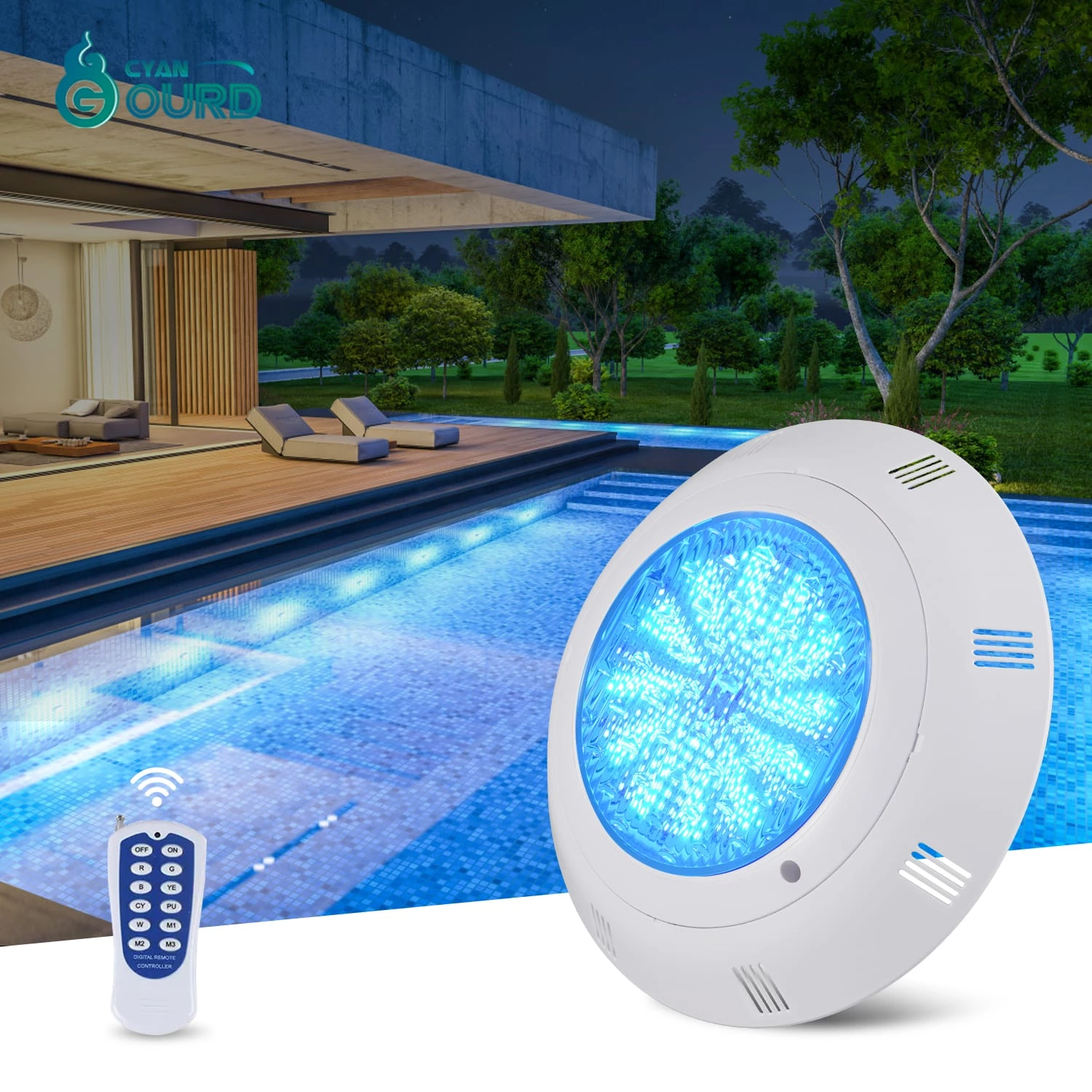
For wholesale distributors and sourcing managers, balancing inventory between single-color blue LED pool lights and multi-color RGB systems requires a strategic approach. While blue LEDs offer consistent demand and simplified manufacturing structures, RGB lights cater to premium projects requiring dynamic control systems. Understanding the technical variations, production costs, and market turnover rates is essential for optimizing procurement and minimizing dead stock.
Market Demand and Application Differences
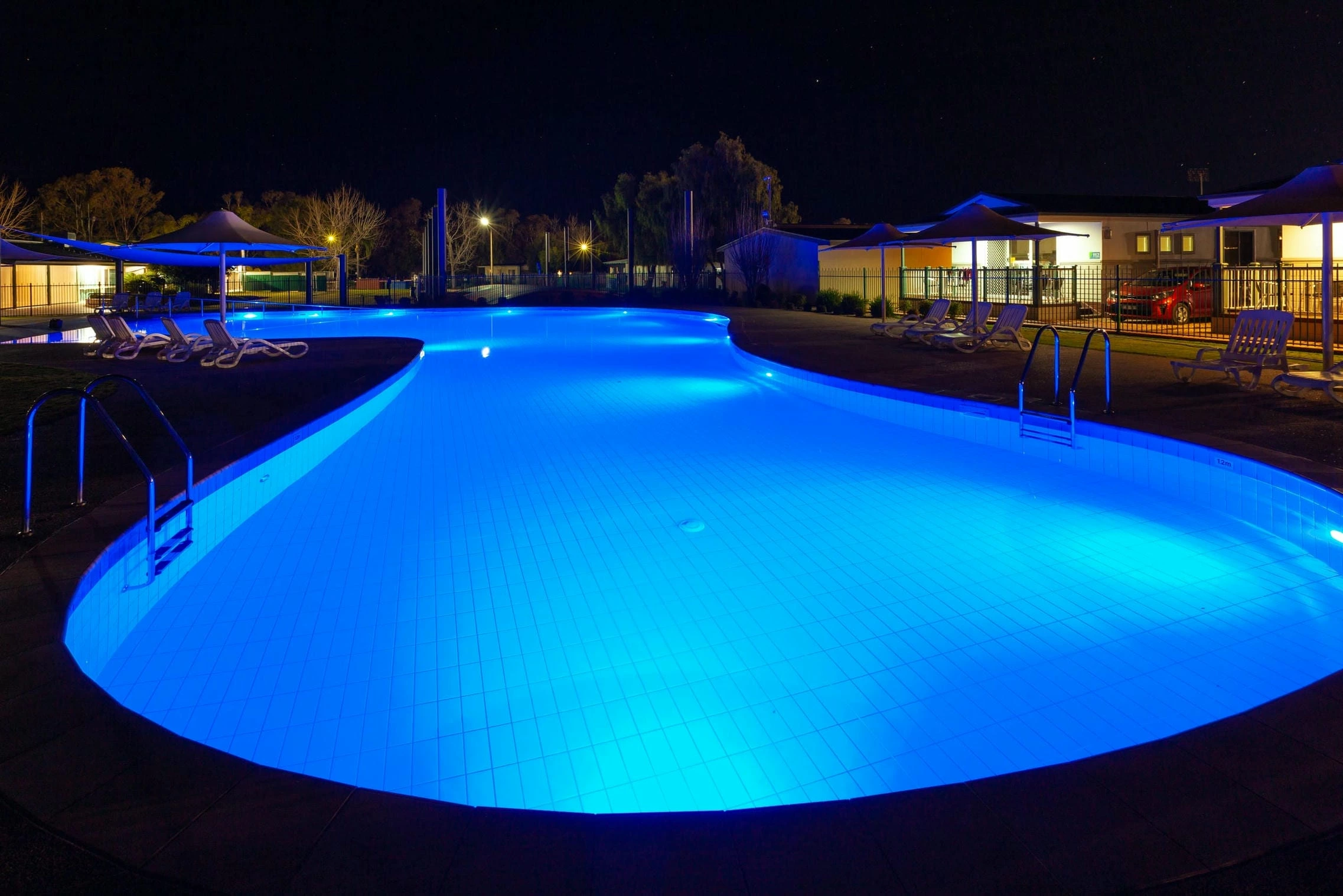
Blue LED pool lights remain a staple in commercial and residential pool construction due to their classic aesthetic and lower upfront cost. Distributors typically see high, predictable turnover for blue LEDs in large-scale commercial projects, municipal pools, and budget-conscious residential builds. The standardized nature of these lights allows for bulk purchasing with minimal risk of obsolescence.
Conversely, RGB (Red, Green, Blue) pool lights are predominantly specified for high-end residential pools, resorts, and custom architectural water features. Stocking strategies must account for these distinct buyer segments. Distributors often allocate higher volume to blue LEDs for steady cash flow while maintaining strategic RGB inventory for higher-margin, project-based orders. Understanding regional contractor preferences is vital for setting accurate minimum stock levels for each category.
Manufacturing Costs and Component Variations
The production cost delta between blue and RGB pool lights stems directly from component complexity. Single-color blue LEDs utilize a straightforward circuit design, requiring only a standard two-wire connection and basic AC/DC 12V transformers. This simplicity reduces PCB (Printed Circuit Board) complexity, lowers assembly time, and minimizes the risk of component failure during the manufacturing process.
RGB lights require advanced LED arrays, synchronization chips, and often four-wire configurations or specialized two-wire power-line communication modules. These additional electronic components increase the base manufacturing cost. Furthermore, RGB systems generate different thermal profiles, sometimes requiring enhanced heat dissipation designs within the stainless steel or ABS housing. These engineering requirements often necessitate higher minimum order quantities (MOQs) from manufacturers to offset tooling and assembly line adjustments.
Inventory Management and SKU Optimization
Managing SKUs effectively is critical for wholesale distributors handling underwater lighting. Blue LED lights consolidate easily into fewer SKUs, as variations are typically limited to wattage and housing material. A distributor can cover a large portion of the market by stocking a few reliable IP68 resin-filled blue LED models.
RGB lighting introduces significant SKU proliferation due to varying control protocols, such as remote-controlled, Wi-Fi enabled, or DMX512 compatible systems. Distributors should focus on standardizing their RGB inventory around universally compatible control systems to prevent overstocking niche configurations. Consolidating orders with manufacturers who offer modular housing designs can further streamline inventory, allowing the same nicheless or niche-compatible housings to be used across both blue and RGB internal light engines.
Technical and Procurement Comparison
When evaluating procurement strategies, distributors must weigh the structural and operational differences between these two lighting types. The comparison table below outlines the primary engineering and sourcing factors that impact inventory decisions.
| Feature | Blue LED Pool Lights | RGB Pool Lights | Procurement Impact |
|---|---|---|---|
| Circuit Complexity | Low (Standard 2-wire) | High (Sync chips, 2/4-wire) | RGB requires higher MOQs and longer lead times. |
| Control System | Basic On/Off Switch | Remote, Wi-Fi, or DMX | RGB increases SKU count due to controller variations. |
| Failure Risk | Minimal (Fewer components) | Moderate (Controller dependency) | Distributors must stock spare RGB controllers for RMAs. |
| Inventory Turnover | High / Predictable | Moderate / Project-based | Blue LEDs provide steady cash flow; RGB offers higher margins. |
Warranty, Maintenance, and Failure Rates
From a supplier perspective, the warranty implications differ significantly between single-color and multi-color systems. Blue LED lights, with their simplified internal architecture, exhibit lower defect rates, particularly when utilizing fully resin-filled IP68 waterproof structures. The absence of complex synchronization controllers minimizes points of failure, resulting in fewer warranty claims and lower reverse logistics costs for distributors.
RGB systems, while highly reliable when manufactured with premium potting compounds, carry a slightly higher risk of synchronization loss or controller malfunction over time. The thermal stress on the PCB is also marginally higher when all color channels are active. Distributors must factor these failure rates into their RMA (Return Merchandise Authorization) policies and ensure their manufacturing partners provide robust technical support, clear installation guidelines, and readily available replacement components for RGB controllers.
Frequently Asked Questions
Q: How does the MOQ differ between blue LED and RGB pool lights?
A: Manufacturers typically offer lower MOQs for blue LED lights due to standardized PCB production and readily available components. RGB lights often require higher MOQs to justify the procurement of specialized synchronization chips and the assembly of complex controllers.
Q: Can blue LED and RGB lights share the same waterproof housing?
A: Yes, reputable manufacturers design modular housings, typically in 316L stainless steel or high-density ABS, that accommodate both single-color and RGB internal LED engines. This modularity allows distributors to streamline their physical housing inventory.
Q: What is the primary cause of failure in RGB pool lights compared to blue LEDs?
A: While both face standard water ingress risks if not properly sealed with resin-filled IP68 protection, RGB lights have an additional failure point in the external or internal synchronization controller, which can be susceptible to voltage spikes.
Q: Do RGB pool lights require different cabling than blue LED lights?
A: It depends on the specific control system. Standard blue LEDs use a simple 2-wire cable. Some RGB systems require 4-wire cables, while advanced RGB models utilize 2-wire systems with power-line communication to simplify retrofitting into existing pool conduits.
Q: How should a distributor allocate inventory between blue and RGB lights?
A: A standard baseline is a 60/40 or 70/30 split favoring blue LEDs for steady volume and predictable turnover. However, this ratio should be adjusted based on whether the distributor's primary clientele consists of commercial contractors or high-end custom pool builders.