Русский
 Français
 بالعربية
 Español
Bulk Sourcing Swimming Pool Light Bulbs: Balancing Maintenance and Performance
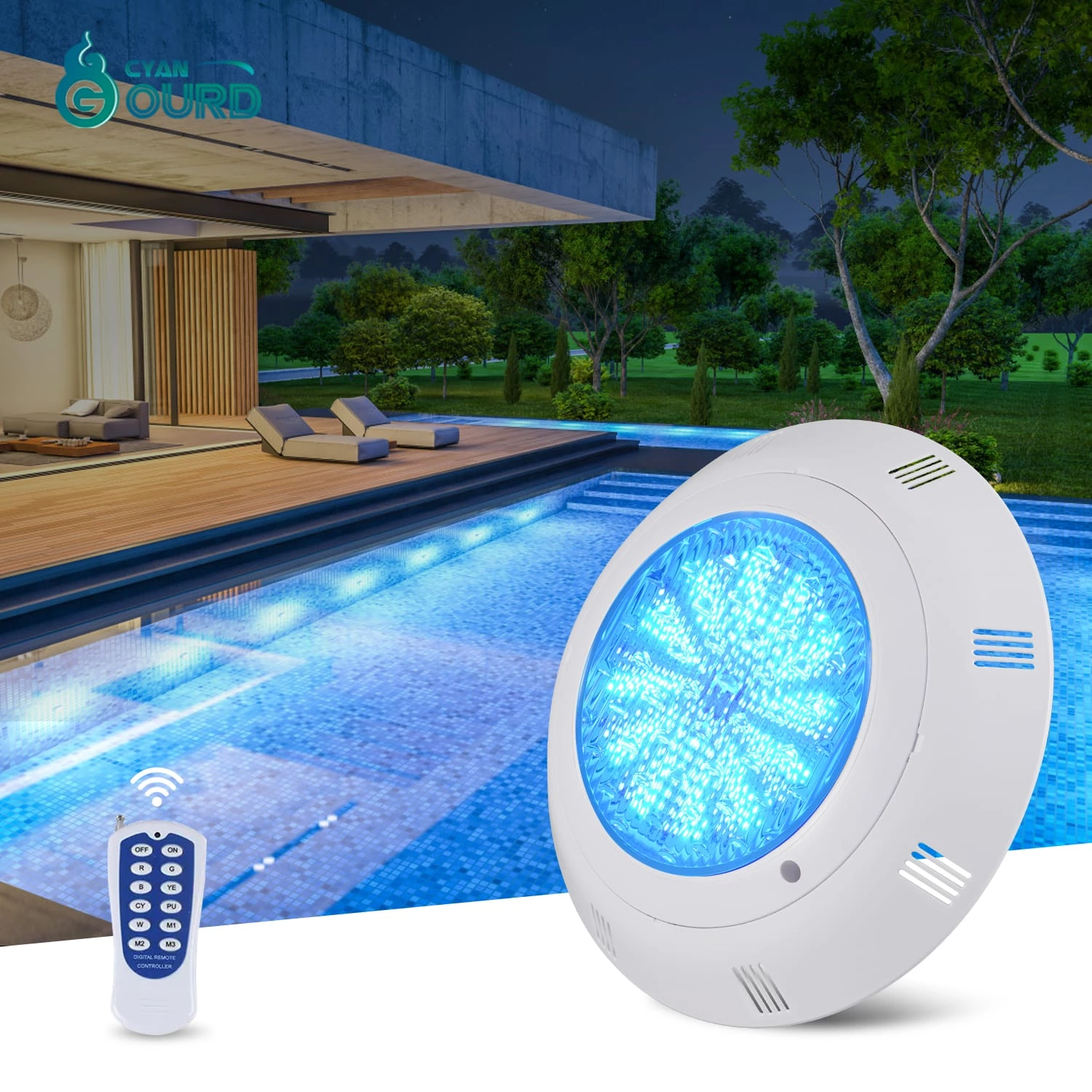
For procurement managers and wholesale distributors, the choice between standardized PAR form factors and proprietary LED lighting systems represents a fundamental trade-off in commercial facility management. While legacy PAR56 lamps offer simple, universal field replacement, modern aquatic infrastructure increasingly demands the energy efficiency, lumen consistency, and chemical resistance provided by specialized, high-performance Led Pool Light solutions.
The Sourcing Dilemma: Standard vs. Proprietary LED Form Factors
The core of the sourcing dilemma lies in the tension between immediate ease-of-maintenance and long-term asset value. Standard PAR lamps utilize traditional glass or polycarbonate housings that fit into existing niches, providing a maintenance-friendly, interchangeable solution. Conversely, proprietary Nicheless Pool Light systems, such as our QR-55 series, are engineered with integrated heat dissipation features that exceed the thermal performance of standard off-the-shelf bulbs. Choosing between them requires an assessment of your client's labor overhead versus their operational performance targets.
TCO Analysis: Quantifying the Cost of Replacement Cycles
| Feature | Standard PAR Series | Proprietary LED (QR-55) |
|---|---|---|
| Housing Material | Glass / Generic PC | High-Grade ABS + PC |
| Thermal Management | Low (Natural Convection) | High (Proprietary Heat Sink) |
| Installation Flexibility | Universal Compatibility | Specific Housing Required |
| Typical TCO | Higher (Frequent Labor) | Lower (Extended Intervals) |
Engineering the Housing: Thermal Management Differences
In our production line, we have identified that the primary failure point in generic Par Pool Light shells is heat accumulation within the glass enclosure, which accelerates diode degradation. Unlike generic shells, our proprietary designs incorporate engineered heat sinks that improve conductivity. During our in-house testing, we subjected our SMD 3535 LED components to rapid thermal cycling from -20C to +60C. Our records indicate that proprietary housings maintain lumen output consistency significantly longer than standard glass molding, as the internal components operate at a lower junction temperature.
The 'Lock-In' Risk: Assessing Project Scalability
Proprietary fixtures often require specific niche types for installation, creating a dependency on the original manufacturer. While this facilitates superior integration and aesthetic uniformity, it necessitates a long-term supply agreement. We recommend that distributors evaluate a manufacturer's capacity for consistent batch production and spare part availability before committing to large-scale infrastructure projects. Our own Embedded Pool Light series is documented to ensure future compatibility with our current installation mounts.
Quality Assurance: Why IP68 Testing is Non-Negotiable
Compliance with IEC/EN 60598-2-18 is the baseline for safety in sub-aquatic environments. Beyond basic CE requirements, our manufacturing process includes pressure testing protocols that simulate extreme depth-equivalent loads. We utilize high-grade ABS + PC for the QR-55 series, offering superior UV resistance and chemical stability compared to generic polycarbonate. These rigorous testing standards ensure that high-output LED installations do not suffer from housing stress or moisture ingress over years of continuous use.
Procurement Checklist: Evaluating Vendor Reliability
When selecting a vendor for your commercial aquatic project, verify the following: 1. Do they provide LM-80 reports for the LEDs used? 2. Can they demonstrate thermal stress testing logs? 3. Is the housing material rated for specific pool chemical concentrations? 4. Does the manufacturer offer a clear, documented path for future fixture replacement or upgrades? Requesting these documents early in the Sourcing Standardizing Led Pool Light process saves thousands in unforeseen maintenance costs.
Q: What is the main benefit of proprietary LED designs over PAR lamps?
A: Proprietary designs offer superior thermal management through specialized heat sinks, leading to extended lumen maintenance and better color consistency in commercial settings.
Q: Are proprietary fixtures compatible with standard niches?
A: Most proprietary nicheless fixtures require specific mounting hardware, though some, like our QR-55 series, are designed to integrate with specific industry-standard housing types.
Q: Why does IP68 certification matter more than general waterproofing?
A: IP68 testing, specifically the IEC/EN 60598-2-18 standard, validates that the unit maintains integrity under sustained submerged pressure, which is critical for pool safety.
Q: What causes PAR bulbs to degrade faster?
A: Standard PAR glass shells often lack sufficient internal heat dissipation, causing the SMD LEDs to run at higher junction temperatures, which accelerates degradation.
Q: How can I avoid vendor lock-in?
A: By prioritizing suppliers who provide open technical specifications, clear installation guides, and long-term availability for specific mounting components, you maintain future flexibility.