Русский
 Français
 بالعربية
 Español
Commercial Pool Lighting: A Contractor's Guide to Reliability and Compliance
For commercial contractors, specifying pool lighting for hospitality and public venues goes beyond aesthetics. The right selection directly impacts project profitability, long-term client satisfaction, and operational reliability. This guide focuses on the critical factors for ensuring a successful installation, from material durability and code compliance to system integration and total cost of ownership. By prioritizing robust, easy-to-install, and compliant systems, you can deliver a superior result that minimizes callbacks and enhances your reputation.
Selection Checklist for Project Success
A systematic approach to specification is key to avoiding common pitfalls and ensuring the lighting system meets the demanding requirements of a commercial environment. Before finalizing your product choice, review these critical checkpoints to align with project goals and client expectations.

Use this checklist to guide your specification process:
- Code Compliance: Verify that all fixtures meet local and national electrical codes (e.g., NEC Article 680) and carry appropriate certifications like UL or ETL.
- IP Rating: Confirm the Ingress Protection (IP) rating is suitable for the specific installation zone (e.g., IP68 for full submersion).
- Material Specification: Match the housing material to the pool's water chemistry. Use 316L stainless steel for saltwater or saline systems and high-grade polymers for heavily chlorinated pools.
- Lumen Output & Photometrics: Obtain IES files to model light distribution and ensure the lumen output and beam angle achieve the desired illumination level without creating glare.
- Control System Compatibility: Ensure the chosen lights and drivers can integrate seamlessly with the facility's building automation system (BAS) or DMX controllers if required.
- Serviceability & Warranty: Evaluate the manufacturer's warranty and the fixture's design for long-term maintenance. Consider the availability of replacement parts and technical support.
Material Durability: Saltwater vs. Heavily Chlorinated Pools
The chemical environment of a commercial pool is harsh and unforgiving, making material selection a critical factor in the longevity of the lighting system. Choosing the wrong material can lead to premature failure, corrosion, and costly replacements.
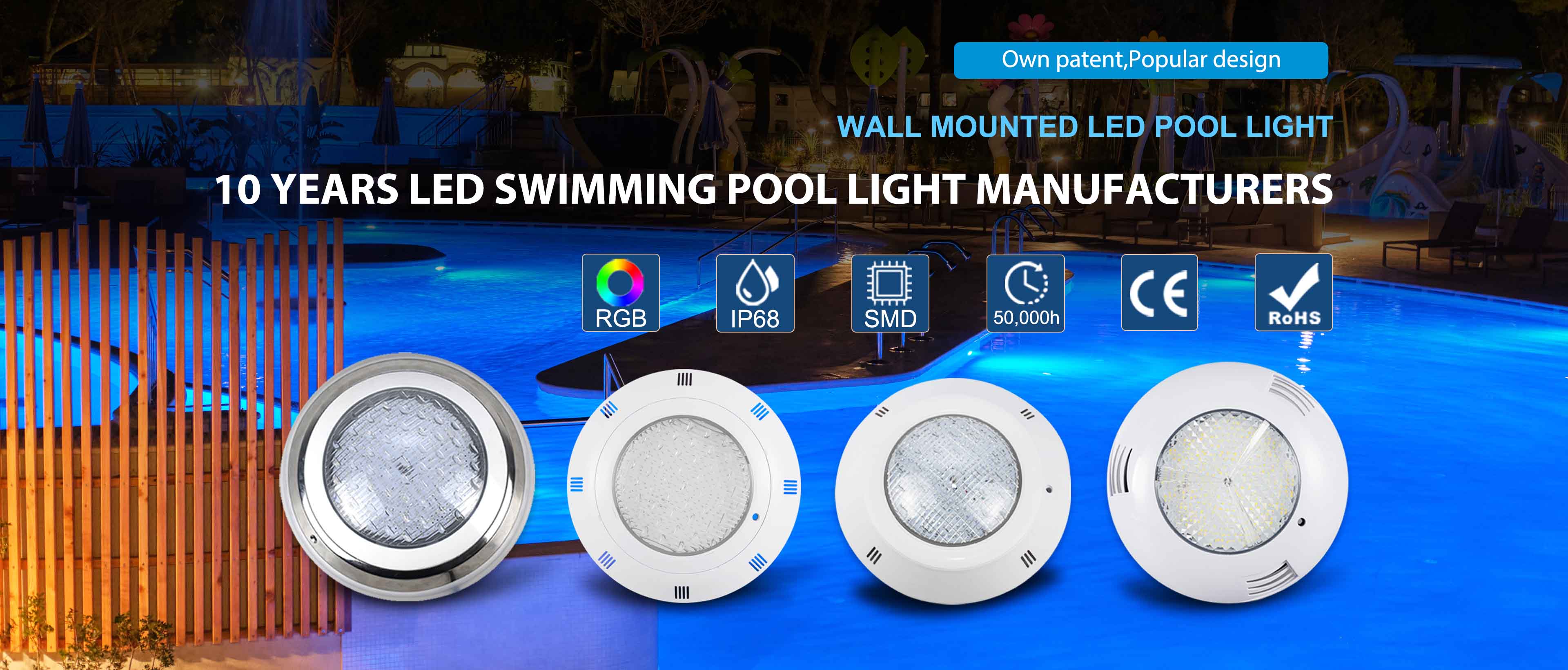
For saltwater or saline chlorination systems, the high chloride content is extremely corrosive to many metals. In these applications, specifying a stainless steel pool light made from marine-grade 316L stainless steel is essential. This alloy contains molybdenum, which significantly enhances its resistance to pitting and crevice corrosion caused by chlorides. For heavily chlorinated freshwater pools, high-performance, injection-molded polymers like ABS or polycarbonate offer excellent chemical resistance and are not susceptible to galvanic corrosion. Always verify the material data sheet to ensure compatibility with the specific water treatment system being used.
System Integration with Building Automation and DMX
Modern hospitality venues often require sophisticated lighting control to create dynamic scenes, schedule operations, and integrate with the overall facility management system. Specifying lights that can communicate with these systems is crucial for meeting client expectations.
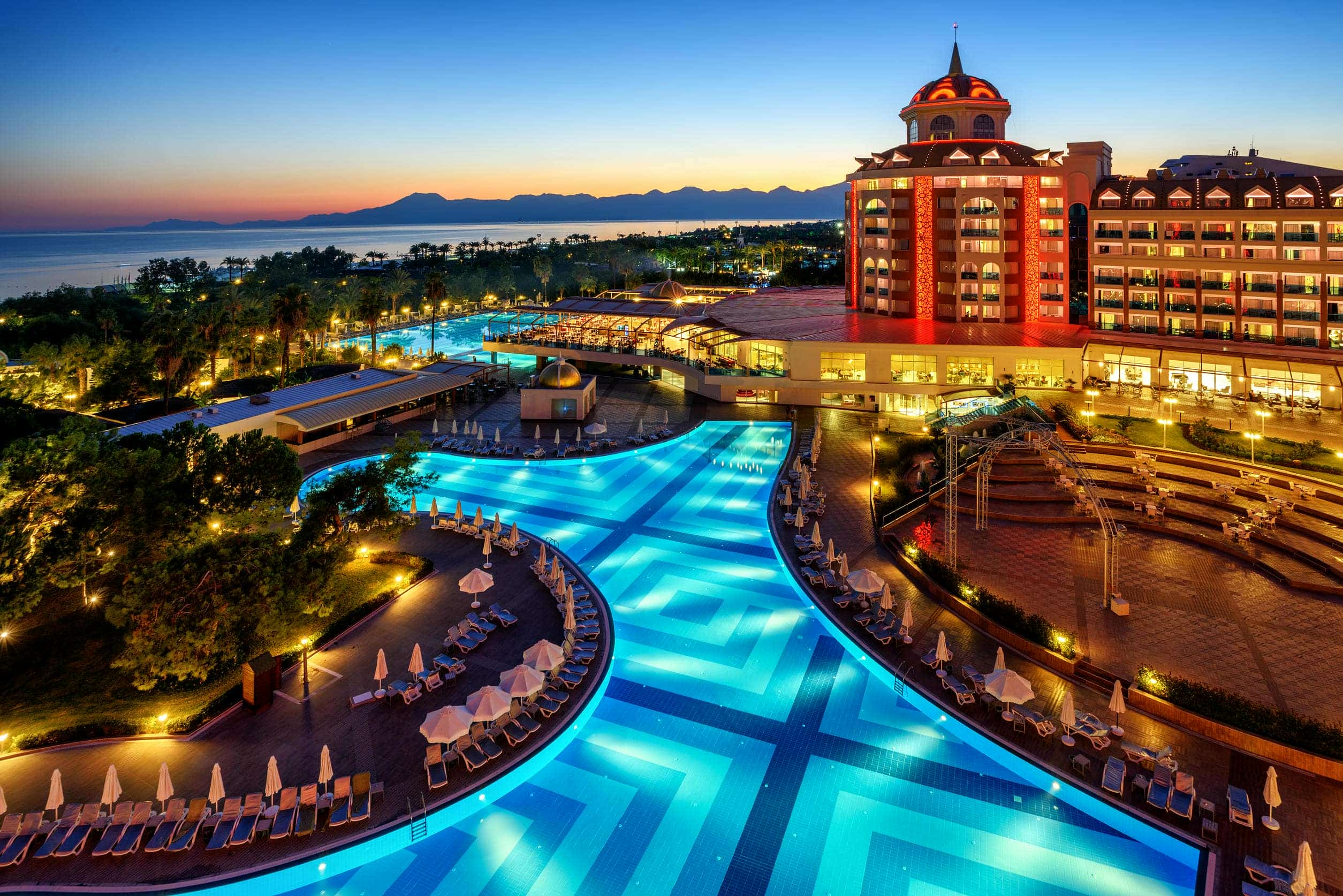
For advanced color control and synchronization, DMX (Digital Multiplex) is the industry standard. When a project requires dynamic shows or precise color tuning, ensure the selected fixtures are DMX-compatible and specify the necessary controllers and power supplies. For simpler integration, many systems can interface with a building automation system (BAS) via protocols like 0-10V or DALI for on/off scheduling and dimming. Discussing control requirements early in the design phase prevents costly rework and ensures the lighting performs as an integrated part of the building's ecosystem. This is especially important for projects using advanced how colour changing led systems.
Fixture Type Comparison: Sealed vs. Serviceable Units
The choice between fully sealed LED units and fixtures with replaceable components has significant implications for maintenance, long-term costs, and operational continuity. While sealed units offer superior water ingress protection, serviceable fixtures can sometimes offer a lower cost for specific repairs. Understanding the trade-offs is essential for advising your client on the best solution for their facility.
| Feature | Sealed LED Units (e.g., Resin-Filled) | Fixtures with Replaceable Components |
|---|---|---|
| Reliability | Very high. Factory-sealed construction minimizes risk of water intrusion and component failure. | Good, but relies on the quality of gaskets and seals, which can degrade over time. Higher risk of installation error. |
| Maintenance | Minimal. At end-of-life, the entire fixture is replaced. No internal components to service. | Requires skilled labor to replace bulbs or drivers. Pool may need to be partially drained for some repairs. |
| Long-Term Cost | Lower total cost of ownership due to reduced labor and high reliability. Higher upfront cost for full fixture replacement. | Lower cost for individual component replacement, but higher cumulative labor costs and potential for more frequent service calls. |
| Installation | Often simpler and faster, especially with modern nicheless pool light designs. Less risk of improper sealing. | More complex, requiring careful assembly and gasket seating to ensure a watertight seal. |
Beyond Upfront Costs: Calculating Total Cost of Ownership (TCO)
For commercial clients, the true cost of a lighting system extends far beyond the initial purchase price. A comprehensive Total Cost of Ownership (TCO) analysis provides a more accurate picture of the long-term financial impact and is a powerful tool for justifying investment in higher-quality products. TCO includes the initial hardware cost plus projected expenses for energy consumption, routine maintenance, labor for repairs, and the cost of replacement fixtures over the system's expected lifespan. High-efficiency, long-life LED fixtures, particularly sealed units with minimal maintenance needs, often demonstrate a significantly lower TCO compared to cheaper alternatives that require frequent servicing and consume more power. Presenting a TCO calculation can help clients understand the value of reliability and efficiency, leading to better project outcomes and greater satisfaction.
Frequently Asked Questions for Commercial Projects
Q: What are the IP rating requirements for commercial pool lights in different installation zones?
A: Any light fixture fully submerged in water must have an IP68 rating. This ensures it is protected against continuous immersion under pressure. For fixtures in splash zones on the pool deck or surrounding areas (Zone 2), an IP65 rating is typically sufficient to protect against water jets. Always consult local electrical codes for specific requirements.
Q: How do you calculate the required lumen output and beam spread for a large resort-style pool?
A: A precise calculation requires lighting design software (like DIALux) using photometric IES files provided by the manufacturer. As a general rule of thumb for commercial pools, aim for 5-10 watts of LED light per square meter of pool surface area. Beam spread depends on the pool's depth and the desired effect; wider beams (100-120°) provide even coverage in shallow areas, while narrower beams (30-60°) are better for highlighting deep sections or features.
Q: What are the material durability considerations for lights in saltwater versus heavily chlorinated pools?
A: For saltwater pools, 316L stainless steel is mandatory to resist corrosion from chlorides. For heavily chlorinated freshwater pools, high-quality polymers like ABS or polycarbonate are excellent choices as they are immune to chemical corrosion and prevent galvanic reactions.
Q: How do commercial pool lighting systems integrate with building automation or DMX controls?
A: Integration is achieved through compatible drivers and controllers. For DMX, the lights connect to a DMX controller that allows for individual addressing and complex scene programming. For building automation systems (BAS), lights can be controlled via standard protocols like 0-10V for dimming or through relays for on/off scheduling, managed by the central BAS.
Q: What are the long-term maintenance differences between sealed LED units and fixtures with replaceable components?
A: Sealed LED units, such as resin filled pool light models, are virtually maintenance-free; the entire unit is replaced at the end of its long service life. Fixtures with replaceable components require periodic maintenance, such as changing bulbs or servicing gaskets, which involves higher long-term labor costs and potential for water intrusion if not sealed correctly.