Русский
 Français
 بالعربية
 Español
Navigating the Shift: Why Wholesale Buyers are Transitioning from Niche to Nicheless LED Solutions
Navigating the Shift: Why Wholesale Buyers are Transitioning from Niche to Nicheless LED Solutions
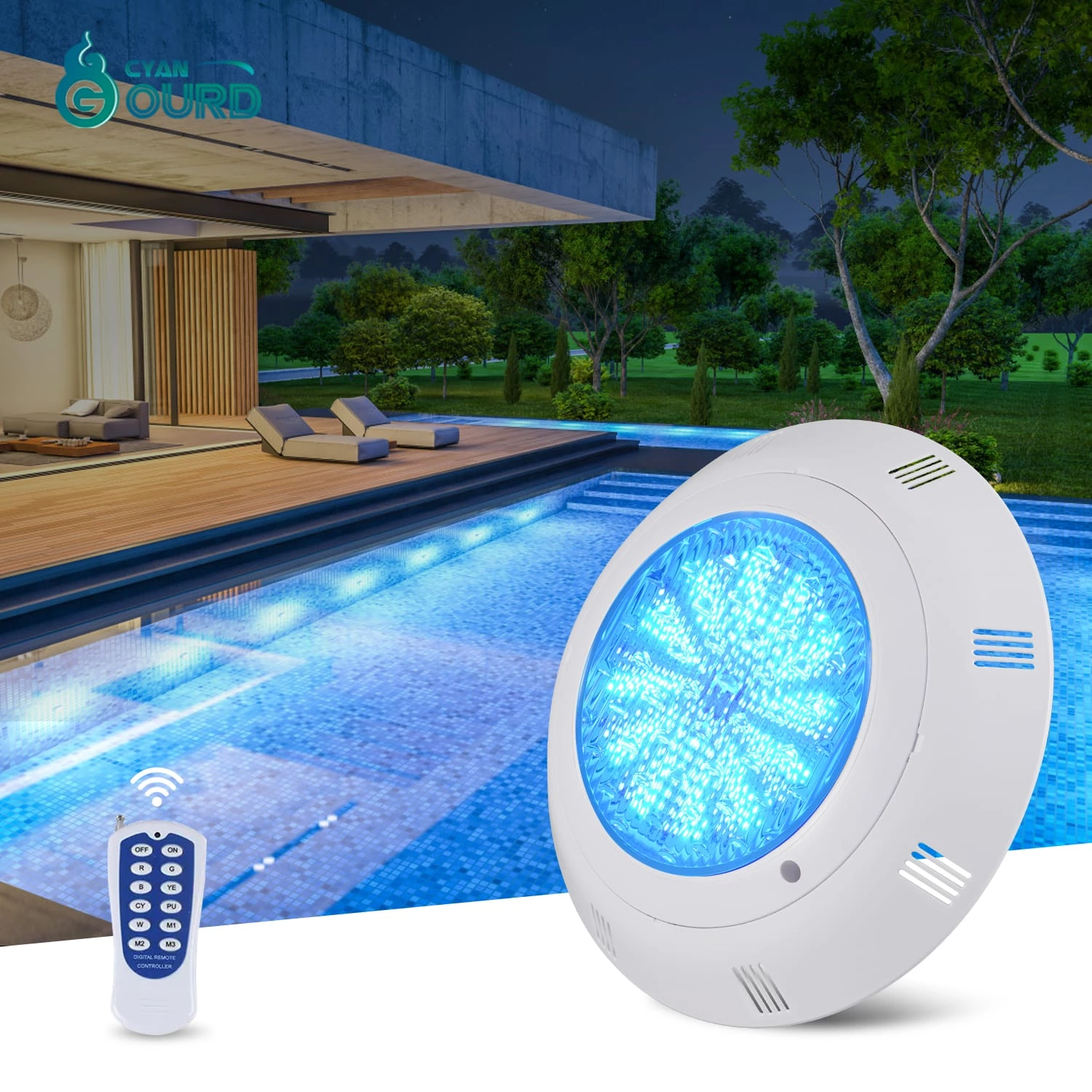
The swimming pool lighting industry is undergoing a significant structural transformation. For decades, the wet niche fixture housing a PAR56 bulb was the standard for residential and commercial pools. However, recent procurement data indicates a decisive shift among wholesale buyers, distributors, and contractors toward nicheless LED solutions. As a dedicated manufacturer of LED swimming pool lights, Cyangourd Lighting observes this trend driven by the demand for simplified installation, superior waterproofing technologies, and streamlined inventory management. This guide analyzes the technical and commercial drivers behind the transition from traditional niche fixtures to modern nicheless LED systems.
1. Streamlining Installation and Reducing Labor Costs
For pool contractors and builders, time is a critical resource. Traditional niche lights require the installation of a large housing bucket (the niche) within the pool wall during the gunite or concrete phase, followed by complex conduit routing. Nicheless LED lights, conversely, are designed to fit into standard 1.5-inch return fittings or conduit pipes. This eliminates the need for a dedicated light niche, significantly reducing excavation and steel work. For wholesale buyers, stocking nicheless lights means offering a product that lowers the total cost of ownership for the end client by minimizing labor hours during the construction phase.
2. Superior Waterproofing with Resin-Filled Technology
One of the primary failure points in traditional niche lights is the gasket seal. Over time, chemical exposure and thermal expansion can compromise the seal, leading to water ingress. Modern nicheless LED lights manufactured by Cyangourd utilize fully resin-filled structures. In this design, the internal PCBA and LED components are completely encapsulated in a transparent, high-grade resin.
This achieves a permanent IP68 waterproof rating without relying on mechanical O-rings or gaskets that degrade. For distributors, this translates to fewer warranty claims and higher customer satisfaction, as the lights are virtually impervious to water leakage.
3. Thermal Management in Compact Form Factors
A common misconception is that smaller, nicheless lights cannot match the brightness or durability of larger fixtures due to heat accumulation. However, advancements in LED efficiency and thermal engineering have bridged this gap. High-quality nicheless lights often employ 316L stainless steel bodies or thermally conductive ABS plastics that effectively dissipate heat into the surrounding water.
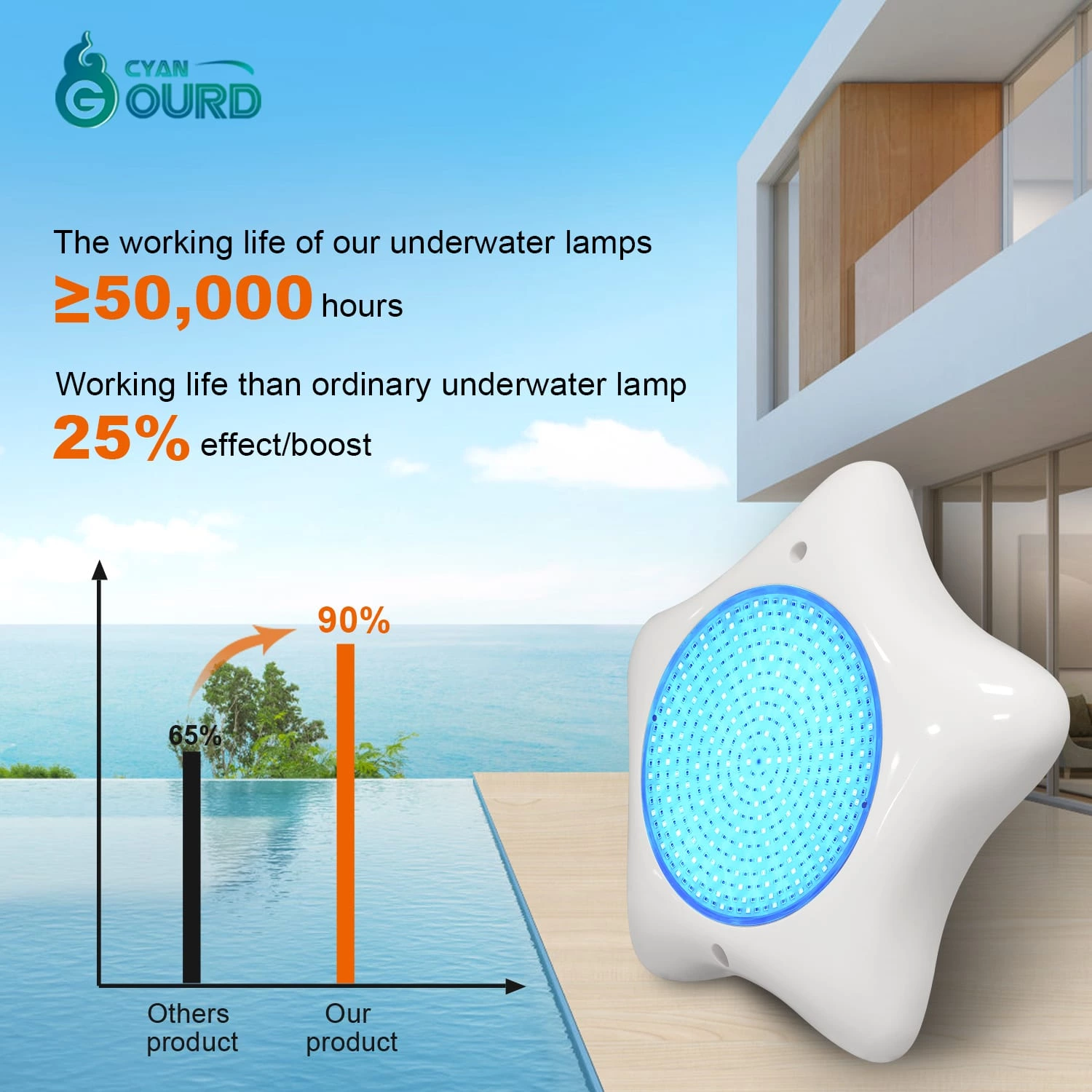
By utilizing water cooling directly against the fixture's surface, these compact lights maintain optimal operating temperatures for the LED chips, ensuring a long lifespan (often exceeding 50,000 hours) even in high-lumen output configurations.
4. Inventory Versatility and SKU Reduction
From a wholesale distribution perspective, managing inventory for niche lights involves stocking various niche buckets (concrete, vinyl, fiberglass) and compatible fixtures. Nicheless lights offer a more universal solution. Many models are designed to be compatible with standard wall fittings used across different pool types. This versatility allows wholesalers to reduce the number of SKUs they manage while still servicing a broad range of project requirements, from concrete inground pools to fiberglass shells.
| Comparison Criteria | Traditional Niche Light (PAR56) | Nicheless LED Solution |
|---|---|---|
| Installation Infrastructure | Requires large wet niche bucket embedded in wall | Fits standard 1.5-inch return fittings or conduit |
| Waterproofing Method | Mechanical gasket/O-ring seal (prone to wear) | Fully resin-filled encapsulation (Permanent IP68) |
| Cooling Mechanism | Air gap inside housing or water circulation in niche | Direct water contact thermal dissipation |
| Retrofit Capability | Limited to existing niche size | High; can be installed in returns or old niche lines |
| Voltage Safety | Often 120V (older) or 12V | Strictly Low Voltage (AC/DC 12V/24V) |
5. Aesthetic Flexibility and Modern Design
Modern pool design favors minimalism. Large, bulky light fixtures can disrupt the visual flow of a pool's interior finish. Nicheless lights, with their low-profile bezels (often under 10mm thickness off the wall), blend seamlessly into the pool wall. Manufacturers now offer these lights in various trim finishes, including 316L stainless steel and colored ABS, to match pool liners and tiles. This aesthetic advantage is a strong selling point for contractors pitching high-end residential projects.
Frequently Asked Questions
Q1: Can nicheless LED lights be used to replace existing niche lights in renovation projects?
Yes, while nicheless lights are designed for 1.5-inch fittings, manufacturers often provide retrofit adapter plates that allow these smaller lights to be mounted securely over existing large niche buckets, upgrading the pool to LED without major construction.
Q2: Are nicheless LED lights as bright as traditional PAR56 bulbs?
Modern SMD and COB LED technology allows nicheless lights to produce high lumen outputs comparable to traditional bulbs. However, for very large commercial pools, engineers may specify a higher quantity of nicheless lights to ensure uniform light distribution.
Q3: What voltage do nicheless pool lights typically require?
To ensure safety and compliance with international standards, nicheless LED lights typically operate on low voltage, specifically AC/DC 12V or 24V. A compatible transformer is required for installation.
Q4: How does the resin-filled design improve longevity?
Resin-filling eliminates air gaps inside the light fixture. This prevents condensation and water intrusion, which are the leading causes of circuit board corrosion and failure in underwater lighting.
Q5: What material options are available for nicheless lights?
Wholesale buyers can typically choose between high-grade engineering plastics (ABS+UV stabilizer) for cost-effective projects or 316L stainless steel for premium durability and corrosion resistance in saltwater pools.