Русский
 Français
 بالعربية
 Español
Optimizing Commercial Aquatic Lighting: A Technical Guide for Facility Managers
For facility managers and municipal procurement officers, the transition from legacy halogen or HID systems to modern Commercial Led Pool Light solutions is no longer just an aesthetic upgrade—it is a critical operational necessity. Beyond the immediate energy expenditure reductions, the shift addresses systemic challenges in maintenance and safety compliance that define current OpEx budgets in large-scale aquatic centers.
The High Cost of Legacy Aquatic Lighting: Beyond the Energy Bill
Legacy HID lighting systems impose a hidden tax on facility budgets. High heat output leads to premature failure of seals and internal components, while the labor cost of replacing bulbs in submerged, pressure-sealed environments is significant. Facility managers often face recurrent costs associated with ballast failure and wiring degradation, which are exacerbated by high-moisture environments. Modern retrofitting efforts aim to reduce these variables by switching to solid-state lighting that offers lower wattage requirements while maintaining the high lux levels necessary for public safety protocols.
Engineering for Aquatic Extremes: Material Science and Galvanic Corrosion Mitigation
In our production line, we prioritize the mitigation of galvanic corrosion by selecting high-grade materials that withstand persistent exposure to chemical agents like chlorine and bromine. While many market alternatives utilize standard plastics, our Stainless Steel Pool Light housings are engineered with 316L grade alloys. This grade provides superior resistance to chloride-induced pitting compared to 304 stainless steel. During factory audits, we have found that precision seals—tested to IP68 standards—are the primary line of defense against internal short-circuiting in submerged units.
Technical Comparison: Driver-Integrated vs. Remote Driver Systems
| Feature | Driver-Integrated Systems | Remote Driver Systems |
|---|---|---|
| Installation Complexity | Streamlined, fewer connections | High, requires conduit runs |
| Maintenance Downtime | Minimal (full fixture swap) | Moderate (accessing remote pit) |
| Voltage Drop Risk | Low (local regulation) | High (requires thicker cable) |
Ensuring Compliance: Navigating NEC Article 680 and DLC Standards
For municipal projects, compliance with NEC Article 680 is non-negotiable. Our engineering team ensures all Why Low Voltage Led Pool lighting products meet low-voltage requirements (under 15V) to minimize electrical hazard risks in aquatic environments. Furthermore, we maintain strict adherence to standards such as UL 2108 for low-voltage lighting systems, ensuring that every installation meets local inspection criteria for public safety.
Data-Driven Performance: Analyzing LM-80 Reports and Environmental Stress Testing
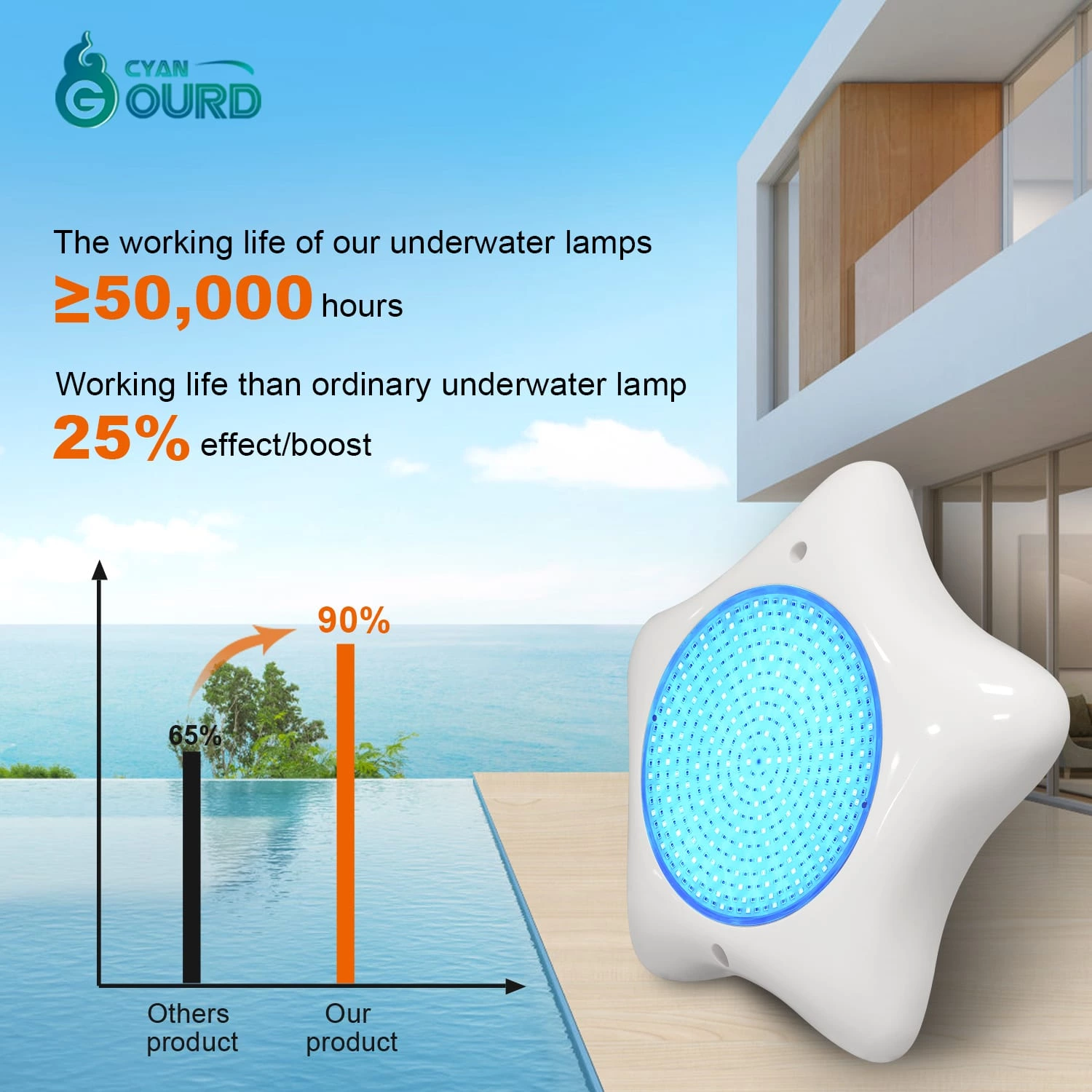
Transparency in performance is a cornerstone of B2B manufacturing. We provide LM-80 reports documenting that our LED diodes maintain greater than 90% lumen output after 50,000 hours of operation. In our Led Pool Light testing laboratory, we subject every product batch to 500-hour salt-spray tests to ensure coating integrity. These data points provide facility managers with the reliability metrics needed to justify capital expenditure approvals.
Case Study: ROI and Operational Efficiency in Large-Scale Aquatic Retrofits
A recent municipal aquatic center retrofit replacing 400W HID lamps with our high-efficiency LED modules saw a 78% reduction in annual lighting energy spend. By moving to a driver-integrated design, the facility also reduced the average maintenance call-out time by 40% annually, as technicians no longer needed to access remote driver pits to perform ballast replacements. This case study demonstrates how Optimizing Large Scale Aquatic Pool systems is a direct contributor to long-term profitability.
Partnering for Longevity: Our Manufacturing Quality Control Standards
From manufacturing thousands of units, we have honed our QC process to include a mandatory pressure-leak test at 2x operating depth for every single unit. We believe that quality starts at the component level, which is why we utilize custom-engineered thermal dissipators that maximize heat transfer away from the LED array, preventing lumen depreciation in warm-water pool environments.
Next Steps: Specifying the Right Lighting for Your Facility Portfolio
When selecting your next lighting partner, emphasize manufacturers that provide raw LM-80 data and documentation for electrical safety compliance. If you are ready to evaluate the ROI for your specific pool dimensions, ensure you have your current wattage consumption and annual maintenance labor costs prepared. Request our comprehensive commercial specification packet to begin your facility optimization project today.
Q: What is the primary advantage of upgrading to LED pool lights for commercial aquatic centers?
A: The primary advantages are reduced annual energy consumption (often exceeding 70% savings compared to HID) and significantly extended maintenance intervals due to the longevity of LED chips.
Q: Are your commercial LED lights compliant with NEC Article 680?
A: Yes, all our underwater units are engineered specifically for low-voltage operation and designed for full compliance with the current NEC Article 680 requirements for safe aquatic lighting.
Q: How do you manage corrosion in high-chlorine water environments?
A: We utilize 316L stainless steel and marine-grade polycarbonate resins, subjecting them to rigorous salt-spray testing to ensure they can withstand harsh pool chemical exposure.
Q: What is the typical lifespan of these LED modules?
A: Our LED modules are tested for 50,000+ hours according to LM-80 standards, maintaining high lumen consistency throughout that period.
Q: Do you provide support for large-scale retrofits?
A: We offer a full range of technical documentation, including ROI calculators and installation guides, tailored specifically for facility managers handling large-scale commercial aquatic projects.