Русский
 Français
 بالعربية
 Español
Procurement Strategies for Commercial Swimming Pool Lighting: Sourcing Directly from OEM/ODM Manufacturers
Procuring lighting for large-scale aquatic infrastructure requires shifting focus from initial unit acquisition costs to long-term reliability and adherence to strict engineering standards. For MEP project consultants and procurement managers, the recurring failure of residential-grade white-label lighting in commercial environments represents a significant operational liability and budget risk.
The Commercial Risk Gap: Why Residential Sourcing Fails Large Projects
Residential-grade lighting often lacks the robust construction required for the high-duty cycles of public, hospitality, or municipal aquatic venues. During factory audits, we frequently observe that low-cost alternatives rely on inadequate housing materials that degrade under continuous exposure to sanitizing agents. In our production line, we emphasize that true commercial durability starts with the selection of marine-grade polymers or high-quality stainless steel, ensuring the fixture can withstand constant water pressure and chemical volatility.
Beyond the Unit Price: Calculating Total Cost of Ownership (TCO) for Aquatic Infrastructure
Procurement professionals should evaluate lighting through the lens of TCO. While a residential fixture may appear cheaper initially, the cost of labor for underwater maintenance, vessel drainage, and replacement frequency often exceeds the original investment within 24 months. Utilizing a Nicheless Pool Light designed for commercial longevity allows for easier servicing and lower long-term overhead.
| Metric | Residential Grade | Commercial OEM Grade |
|---|---|---|
| Initial Unit Price | Low | Moderate/High |
| 5-Year Maintenance Cost | High (Frequent failures) | Low (Predictable cycles) |
| Failure Rate (Annual) | 15-20% | <1% |
Technical Integrity: High-Wattage Thermal Management and SMD 3535 Reliability
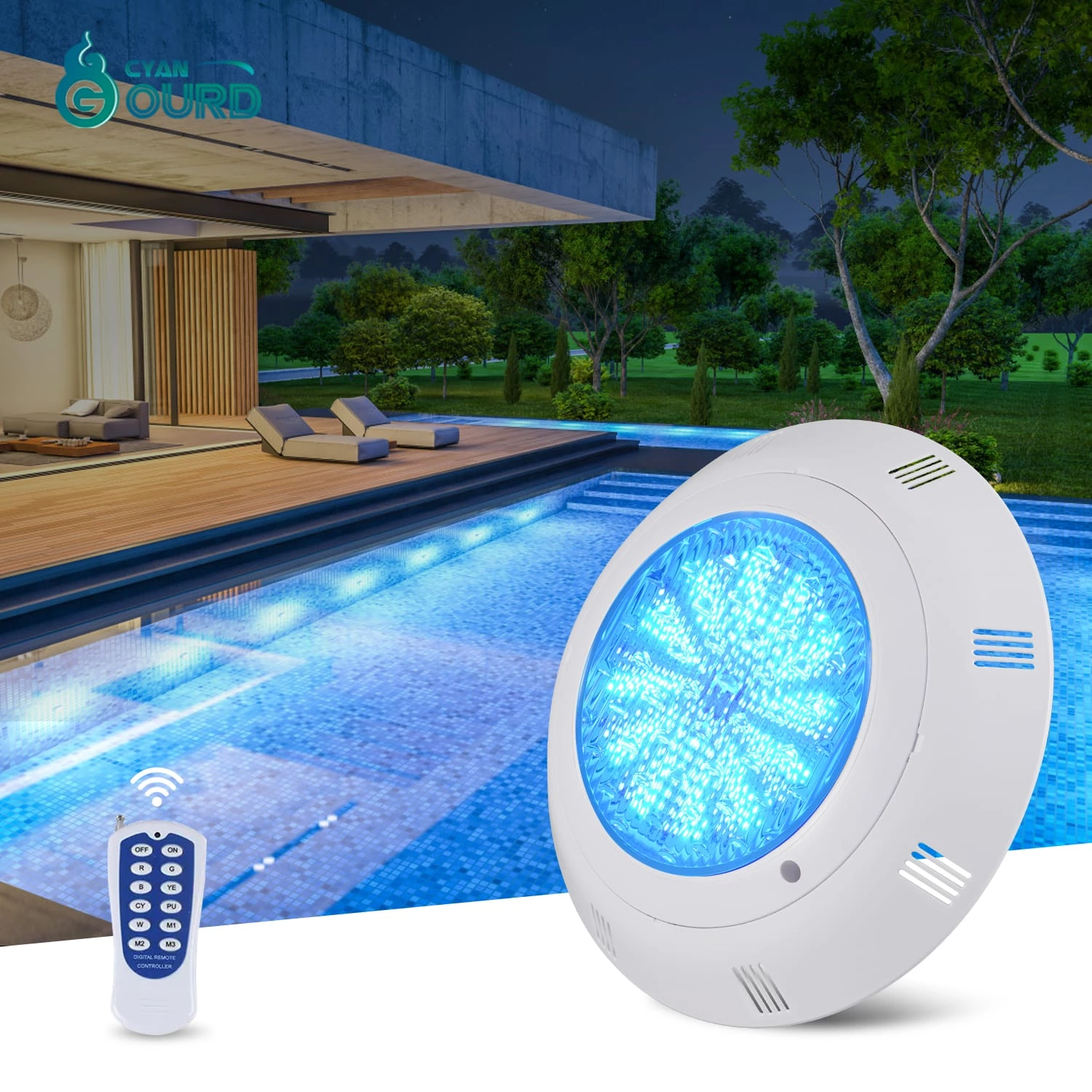
Heat is the primary enemy of LED longevity. High-performance units, such as our Nicheless Pool Light (Model QR-55), utilize SMD 3535 chips mounted on high-conductivity MCPCBs to ensure rapid heat dissipation. In environments where ambient water temperature is elevated, specialized internal thermal management prevents premature lumen depreciation and seal degradation. Proper thermal engineering is essential; without heat sinking, even the best LED components will fail rapidly in an underwater environment.
Control System Architecture: Integrating DMX/RGB Protocols in Commercial Venues
Integrating complex light shows and synchronization requires strict adherence to DMX512 protocols. Commercial-grade Led Pool Light systems must be tested for signal integrity to avoid flickering or data packet loss. We advise project consultants to demand technical verification for DMX integration rather than assuming universal plug-and-play capability, as signal impedance varies significantly with cable length and shielding quality.
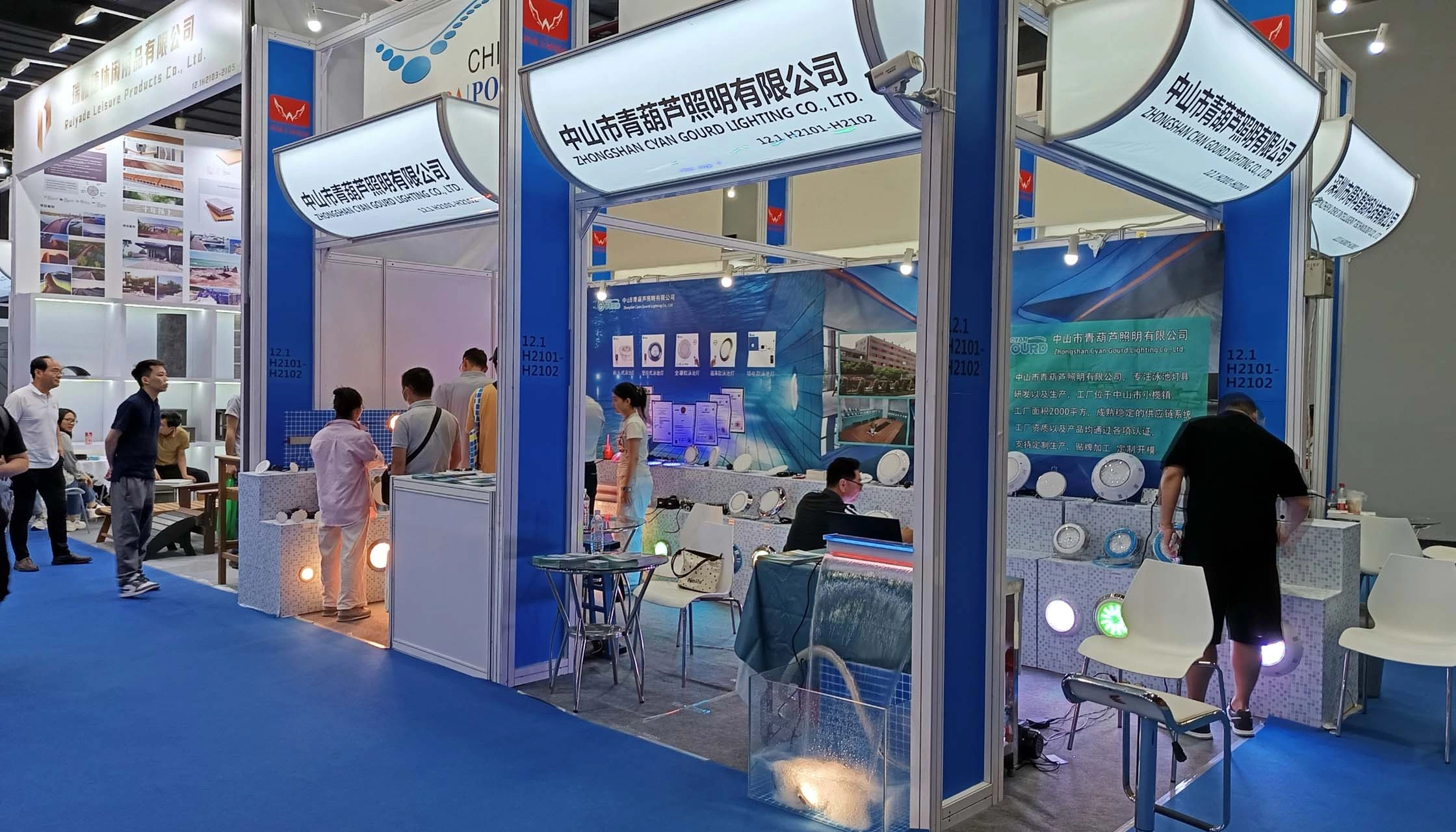
Direct-from-Factory Due Diligence: ISO 9001, QC Protocols, and Warranty Management
Verifying a manufacturer requires looking past the marketing. ISO 9001 certification indicates consistent process control, while specific testing, such as vacuum-pressure decay testing for IP68 certification, proves that each unit is built to survive. Our facility adheres to IEC 60598-2-18 standards, ensuring that every light fixture meets the international safety benchmarks for underwater luminaires.
FAQ: Commercial Lighting Sourcing
Q: What is the importance of IEC 60598-2-18 compliance?
A: It is the specific international safety standard for luminaires used in swimming pools, ensuring electrical safety and protection against water ingress.
Q: How can I confirm if a supplier is a true manufacturer?
A: A true manufacturer provides verifiable data on production capacity, ISO 9001 documentation, and can provide evidence of specific in-house QC testing procedures like pressure decay tests.
Q: Can you guarantee a 10-year lifespan?
A: Lifespan depends on thermal dissipation, chemical maintenance of the water, and ambient temperatures; we provide data-backed projections based on standard operating conditions.
Q: Why use marine-grade ABS and PC?
A: These materials provide the necessary resistance to pool chemicals and UV radiation that prevent housing embrittlement and leakage.
Q: How should DMX/RGB integration be verified?
A: Always request a pilot-run sample test with your specific controller brand to ensure electrical impedance and signal protocol compatibility before full-scale deployment.