Русский
 Français
 بالعربية
 Español
Specifying Commercial LED Waterfall Lighting: An Engineering Guide for Large-Scale Water Features
Specifying high-performance lighting for commercial water features requires a departure from standard decorative solutions. For MEP engineers and lighting designers, the primary challenge lies in achieving long-term reliability in high-velocity, chemically treated water cascades where standard IP68-rated components often fail prematurely.
Section 1: The Engineering Gap: Why Standard Pool Lights Fail in Waterfalls
Standard architectural pool lighting is designed for static submersion. When these units are placed in high-velocity waterfall cascades, they encounter hydraulic pressure and cavitation that exceed design parameters. During our factory audits, we have observed that mechanical stress from turbulent flow, coupled with chemical infiltration, leads to bond failure at wire entry points. Selecting a Led Waterfall Light requires prioritizing mechanical integrity over aesthetic finish alone.
Section 2: Material Science for Hydraulic Resilience
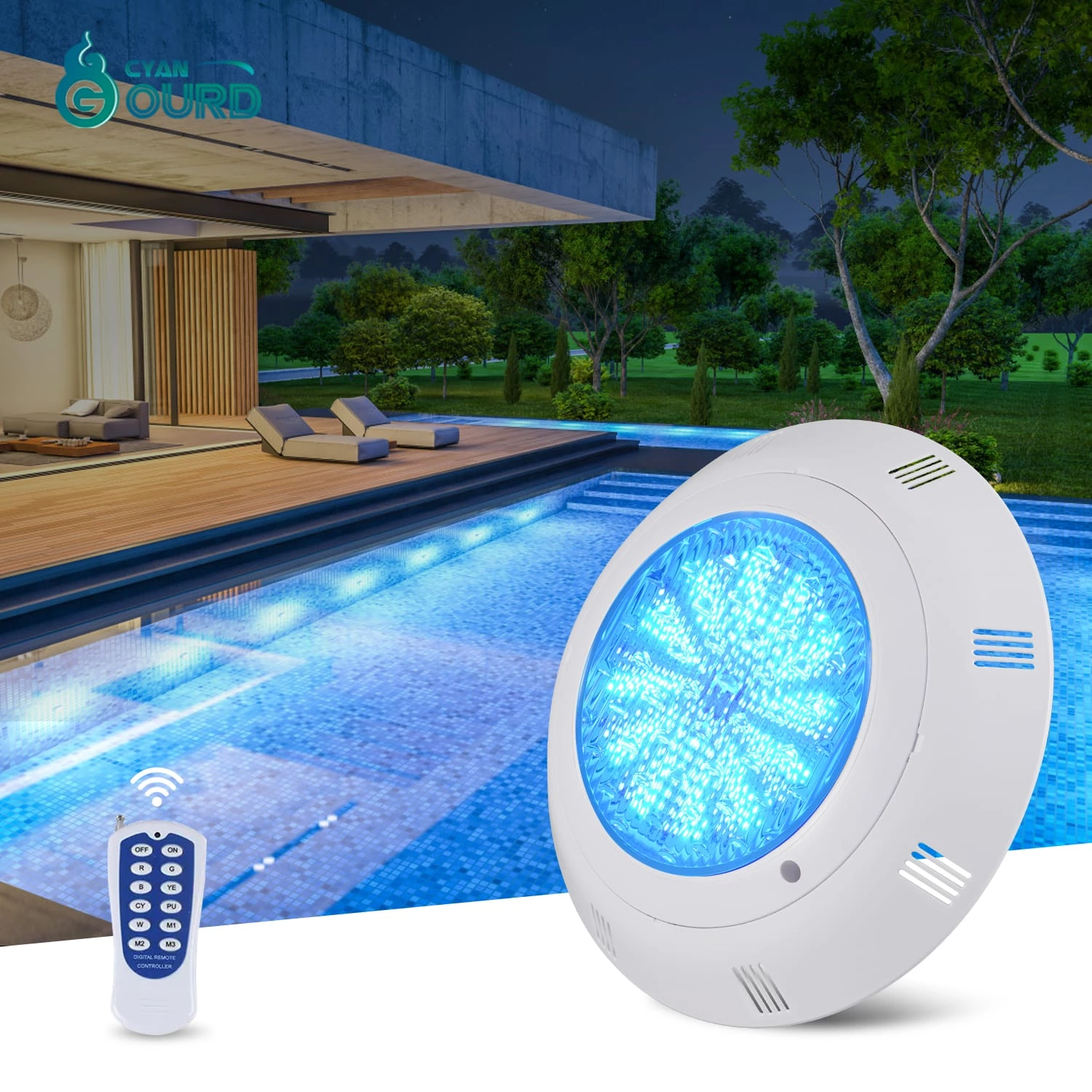
To withstand constant exposure to treated water, factory-grade vacuum potting is non-negotiable. In our production line, we utilize a specialized vacuum potting process that eliminates micro-voids in the resin surrounding the internal circuitry. Unlike surface-applied sealants, vacuum-injected potting protects against moisture migration at the conductor interface. Our Nicheless Pool Light (Model QR-55) exemplifies this, utilizing a robust ABS housing with a PC transparent cover, tested to ensure structural stability in high-flow environments.
Section 3: Optical Physics: Designing for Light Diffusion
Controlling glare in a cascading water sheet requires precision optics. Standard lenses often cause refraction that creates distracting hotspots on the water surface. We engineer beam angles that account for 10mm glass-like water sheets, ensuring uniform luminance. Through our Embedded Pool Light series, we leverage photometric data (IES/LDT files) to predict light interaction with fluid turbulence, ensuring the architectural intent is maintained without visual discomfort.
Section 4: Technical Deep-Dive: Managing Voltage Drop
In large-scale commercial installations, voltage drop is the primary cause of inconsistent luminance across long linear runs. For 24V DC systems, engineers must calculate the cumulative resistance based on cable gauge and total current load. Using heavy-gauge copper wiring and injecting power at multiple nodes is critical. For complex projects, refer to our Engineering Specifying Underwater Pool Lights protocols to ensure uniform performance across the entire array.
Section 5: Testing Protocols: Beyond Standard IP68 Ratings
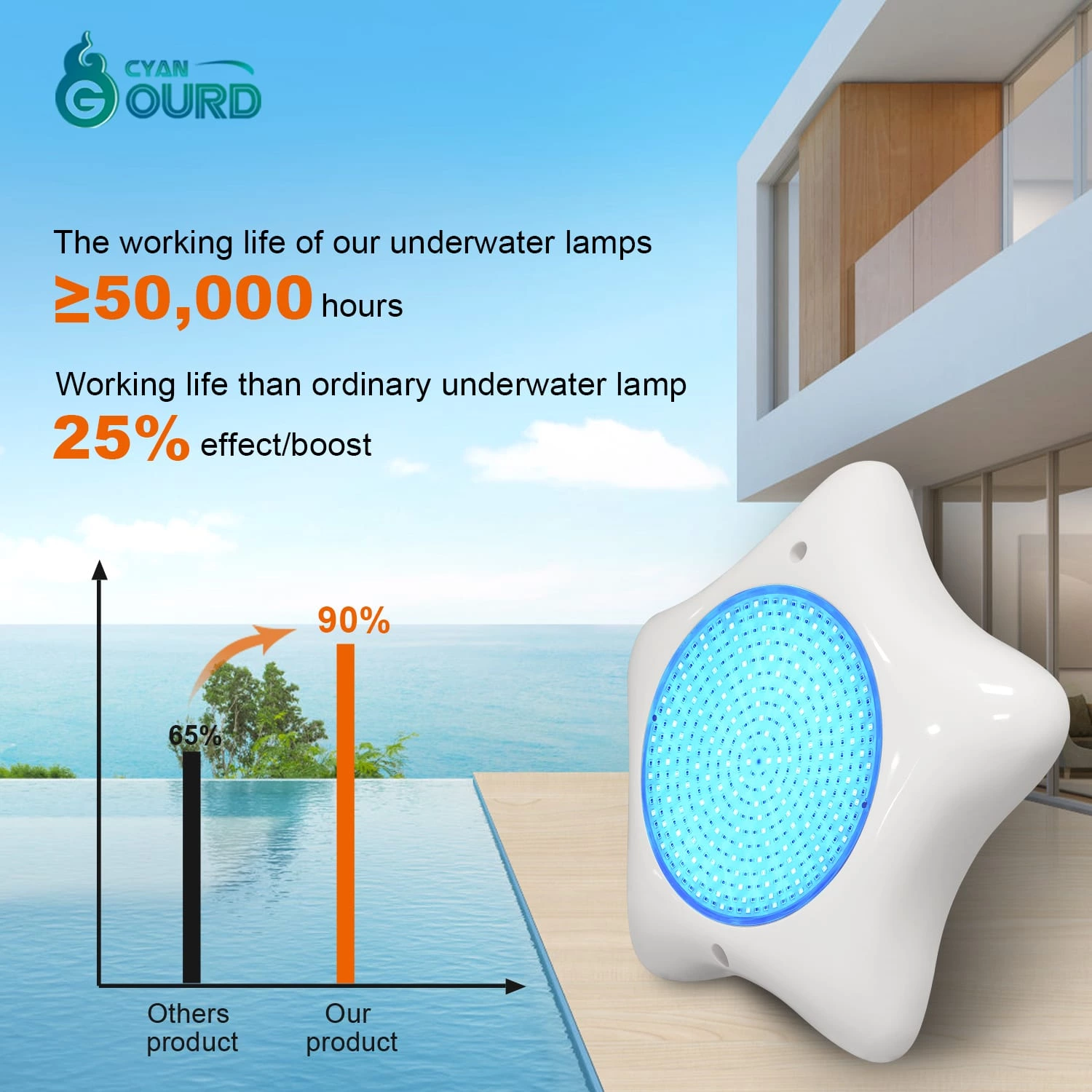
IP68 certification is the baseline, not the ceiling. Our laboratory performs stress-test logs on every Stainless Steel Pool Light housing, including continuous exposure testing to pH 7.2–7.8 environments to simulate commercial pool conditions. These units meet IEC 60598 standards for safety, ensuring that material degradation remains within acceptable limits for a minimum of 30,000 hours to L70 maintenance standards.
| Feature | Standard Pool Light | Architectural Waterfall Grade |
|---|---|---|
| Sealing Method | Gasket/O-ring | Vacuum Potting |
| Housing Material | Standard Plastic | Reinforced Marine Grade/SS |
| Thermal Cooling | Static | Flow-Induced Management |
| Maintenance | Frequent Site Repair | Low-Maintenance Engineered |
Section 6: Compliance and Safety
All linear lighting systems must be installed by qualified electrical professionals in accordance with local building codes. We adhere to UL 2108 standards for low-voltage lighting systems. Professional oversight is critical when integrating dimming drivers to ensure flicker-free performance in high-speed water environments, which can otherwise trigger unwanted strobe effects.
Section 7: Project Specification Checklist
Engineers should verify the following prior to final procurement: (1) IP68 certification documentation provided; (2) Photometric IES files for the specific beam angle; (3) Voltage drop calculations for maximum linear run length; (4) Material chemical resistance data for pH 7.2–7.8.
Q: What is the primary cause of failure in waterfall lighting?
A: Water ingress due to poor wire entry seals and lack of vacuum potting, which allows chemical-laden water to damage internal components.
Q: How does vacuum potting improve longevity?
A: It eliminates voids that trap air or moisture, creating a solid, impervious barrier around sensitive electrical components.
Q: Can these lights be used in saltwater?
A: Only if specifically tested against your project's salinity concentrations; standard industrial grades are designed for typical pool chemistry (chlorine/pH balance).
Q: What maintenance standard is expected?
A: We design to L70 standards, meaning 70 percent lumen maintenance at the end of the rated service life.
Q: Are these units DIY-friendly?
A: No; commercial large-scale water features require professional electrical engineering oversight to ensure safety and compliance.
Request Technical Spec Sheet & Laboratory Stress-Test Results