Русский
 Français
 بالعربية
 Español
Wholesale Sourcing for Pool Remodel Lights: Modernizing Commercial and Municipal Facilities
Modernizing municipal aquatic facilities requires a strategic approach that balances immediate budgetary constraints with the long-term operational costs of aging infrastructure. For procurement officers and facility directors, the transition from legacy halogen systems to efficient LED technology is a significant undertaking that demands rigorous attention to technical compatibility, safety compliance, and thermal engineering.
Section 1: The High Cost of Legacy: Evaluating Municipal Pool Infrastructure Modernization
Legacy lighting systems often suffer from high wattage consumption and frequent maintenance cycles due to seal failures. Evaluating the modernization of these facilities starts with auditing existing electrical loads. Transitioning to an Led Pool Light system significantly reduces energy consumption, but success depends on selecting hardware built for the harsh environments of large-volume commercial pools.
Section 2: Retrofit Engineering: Niche vs. Nicheless Integration for Aging Municipal Conduit Systems
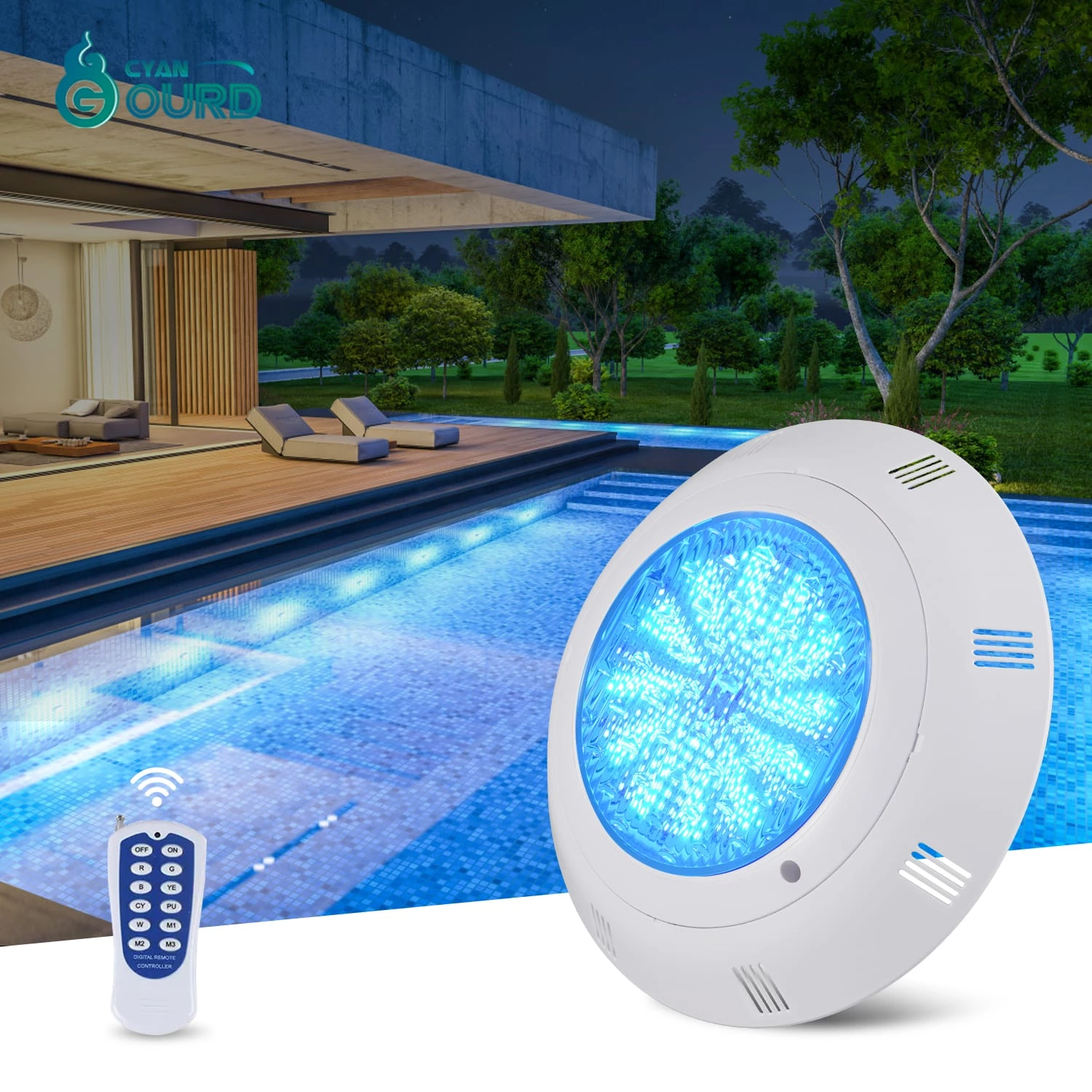
One of the primary challenges in municipal retrofits is the physical integration with existing concrete niches. Our manufacturing processes prioritize Nicheless Pool Light solutions to minimize structural concrete work. When evaluating a Embedded Pool Light, we advise procurement teams to conduct site surveys to map conduit exit points before finalizing volume orders. Pre-installation measurement is mandatory to ensure that replacement fixtures align correctly with existing cabling.
Section 3: Designing for Durability: Heat Management and Hydrostatic Pressure Standards
Thermal management is the most critical factor in underwater LED longevity. Unlike residential fixtures, commercial units must dissipate heat efficiently in high-volume water. For instance, our QR-55 model utilizes SMD 3535 LED modules paired with advanced engineering to ensure LM-80 compliant lumen maintenance. We conduct factory-level hydrostatic pressure testing at levels exceeding standard field requirements to ensure every unit maintains an IP68 rating, preventing moisture ingress that leads to premature failure.
Section 4: ROI Modeling: Balancing Initial Procurement Costs Against Lifecycle Energy Efficiency
| Metric | Legacy Halogen | Modern LED Retrofit |
|---|---|---|
| Power Consumption | 300W - 500W | 6W - 30W |
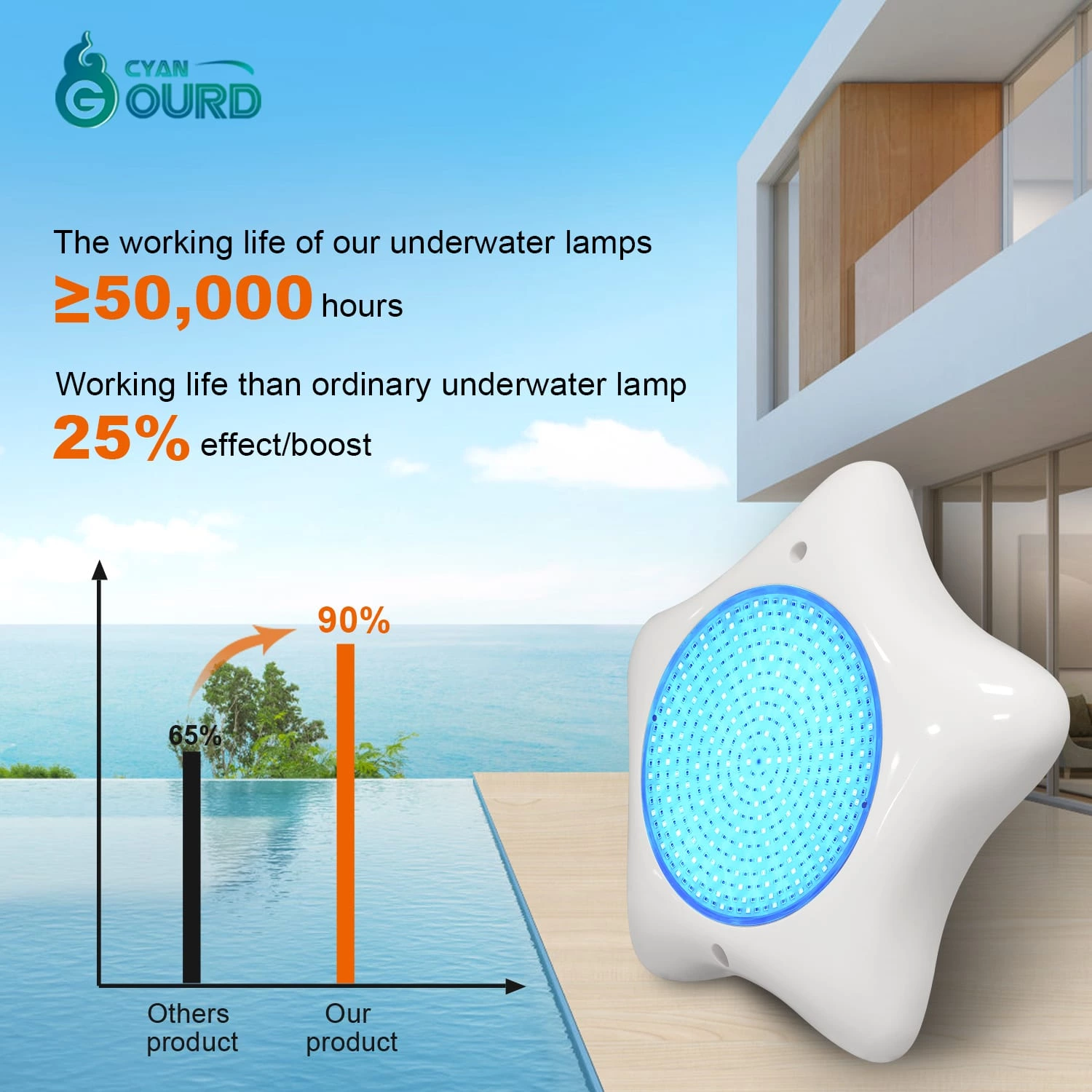
| Lifespan (Hrs) | 2,000 | 50,000+ |
| Maintenance Cost | High (Frequent replacement) | Low (Long-cycle) |
While energy savings depend on local utility rates and duty cycles, moving to LED fixtures provides a quantifiable reduction in operational expenditure. By calculating the total cost of ownership over five years, procurement teams can justify the initial capital expenditure through drastically lower energy bills and reduced labor requirements.
Section 5: Customization for Scale: Tailoring Wholesale Fixtures to Specific Facility Requirements
Standardized mass-production often fails to meet the nuances of historical municipal architecture. Our factory capabilities include custom housing dimensions to match legacy niche sizes, ensuring that fixtures like the Stainless Steel Pool Light series can be integrated into existing concrete systems without costly remodeling.
Section 6: Compliance and Safety: Navigating NFPA 70 Article 680 in Commercial Lighting Specs
Adherence to NFPA 70 Article 680 is non-negotiable for public facility procurement. All featured lighting models meet CE and IP68 certification requirements. We ensure that our design protocols support the safety standards required for underwater luminaires, focusing on low-voltage operation and appropriate heat dissipation to maintain system integrity.
Section 7: Strategic Sourcing: Partnering with Manufacturers for Large-Volume Deployment
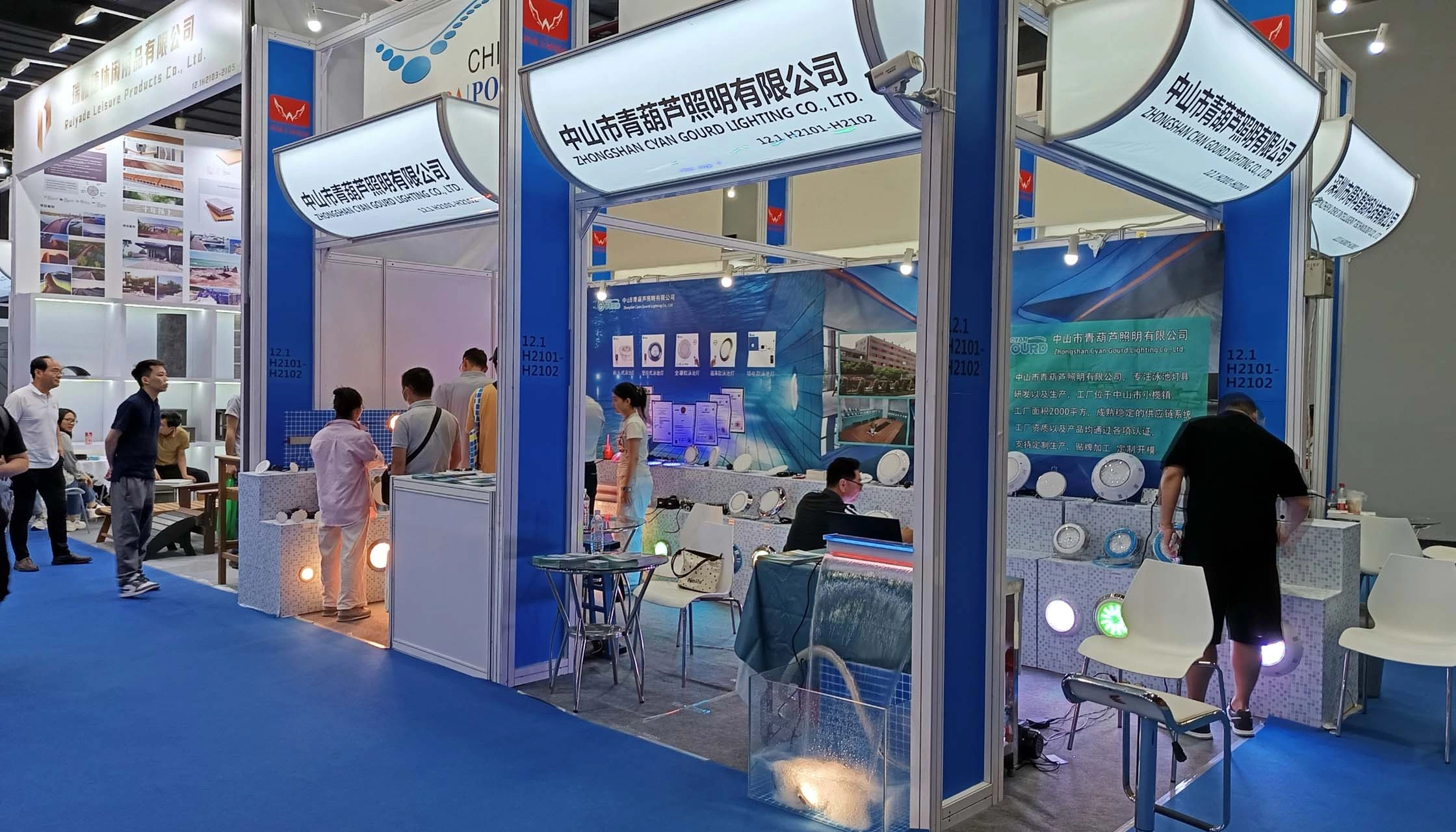
Successful large-volume procurement hinges on transparent communication between the project team and the manufacturer. From providing detailed spec sheets to aligning on delivery timelines, a direct-factory partnership helps avoid the pitfalls of supply chain inconsistency. Please contact our team to request detailed spec sheets and discuss volume pricing strategies for your next modernization project.
FAQ
Q: What specific electrical safety requirements should be prioritized for commercial retrofits?
A: Projects must comply with NFPA 70 Article 680, which mandates specific grounding, bonding, and low-voltage transformer requirements for wet-niche and dry-niche installations.
Q: How do I ensure a new LED fixture fits into an existing municipal concrete niche?
A: You must conduct a site survey of the existing niche dimensions and conduit routing. Our manufacturing team offers custom housing to bridge the gap between legacy niche sizes and modern LED assemblies.
Q: What is the impact of LM-80 test data on my procurement decision?
A: LM-80 data provides documented evidence of how the LED light source performs over time, allowing for more accurate predictions of light degradation and fixture lifecycle.
Q: Is there a standard way to calculate ROI for pool lighting?
A: ROI is calculated by comparing annual energy consumption (kWh) reduction against the initial purchase and installation cost, adjusted for local energy utility rates and projected maintenance cycles.
Q: Why is thermal management critical for underwater pool lights?
A: Underwater LED heat dissipation is limited by water flow around the housing. High-performance fixtures use superior stainless steel or specialized heat-conductive materials to prevent internal component damage.