Русский
 Français
 بالعربية
 Español
The Engineering Guide to Commercial Pool LED Retrofit Solutions: Infrastructure Modernization
Transitioning from legacy halogen systems to high-output LED infrastructure is a critical step for aquatic facility managers aiming to reduce operational expenditure. Modernizing lighting systems requires more than simple bulb swapping; it demands a strategic approach to thermal management, electrical load balancing, and mechanical compatibility with existing niche housings.
The Engineering Case for Retrofitting: Transitioning from Halogen to High-Output LED
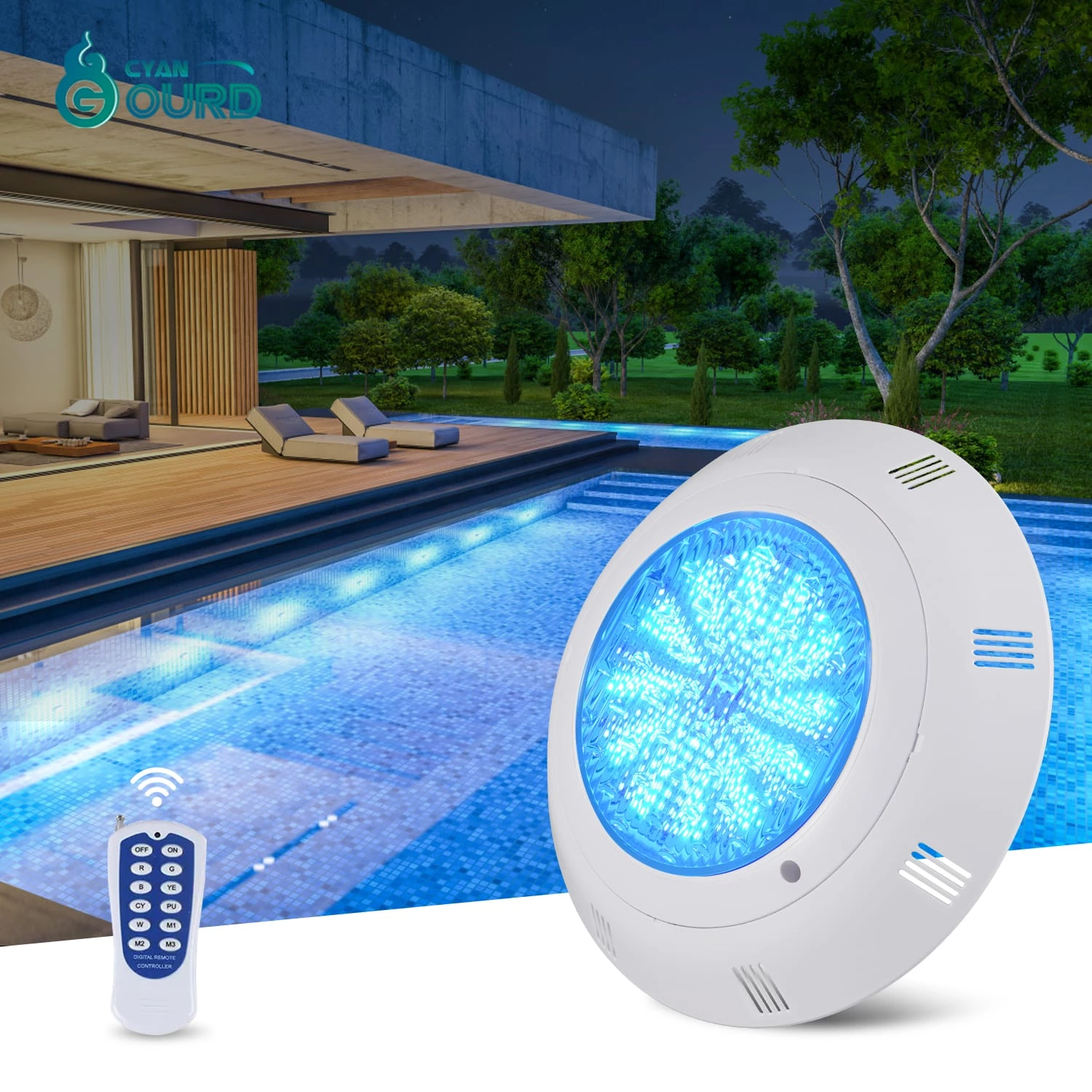
Legacy halogen systems are notoriously inefficient, often converting 90% of energy into heat rather than illumination. Our production line analysis demonstrates that switching to Led Pool Light modules reduces energy consumption by up to 80%. When executing a Pool Light Replacement Guide, facility engineers must prioritize lumen-per-watt ratios to ensure existing lighting levels are matched or exceeded during the upgrade.
Addressing Infrastructure Incompatibility: The Logic of Modular Driver-to-Niche Integration
A primary failure point in retrofitting is the physical mismatch between legacy niches and new electronics. Our Embedded Pool Light solutions, such as the QR290-A series, are engineered with modular mounting plates that adapt to standard QR290-A and YC series niches. We advise all procurement officers to conduct a pre-retrofit site survey to confirm niche dimensions, as universal compatibility claims without physical verification are a leading cause of project delays.
Thermal Management: Why Heat Sink Conductivity Dictates Operational Lifespan in Aquatic Environments
LEDs are sensitive to junction temperature; excessive heat leads to rapid lumen depreciation. In our factory, we utilize high-conductivity aluminum PCBs in our Stainless Steel Pool Light housings to dissipate heat effectively into the surrounding pool water. By testing thermal resistance across different housing materials, we have confirmed that stainless steel housings provide significantly higher thermal transfer rates compared to standard ABS alternatives.
Chemical Exposure & Material Science: Choosing Between 316 Stainless Steel vs. Corrosion-Resistant ABS
Material integrity is paramount in chlorinated or salt-water environments. Our Nicheless Pool Light (Model QR-55) features a durable ABS + PC transparent cover, designed to resist chemical degradation. For high-corrosion environments, however, we utilize 316-grade stainless steel. Our potting process involves high-grade epoxy resins that undergo rigorous IP68 vacuum-sealed testing to ensure 100% moisture ingress prevention, a standard we maintain for all units leaving our facility.
Voltage Drop and Power Quality: Engineering Considerations for Large-Scale Aquatic Facilities
When retrofitting over distances exceeding 50 meters, voltage drop is a critical variable. Engineers must ensure the supply voltage remains within the luminaire's operating range (usually 12V or 24V). Using 24V systems is highly recommended for long cable runs to minimize amperage loss and heat generation within the wiring conduits.
| Metric | Halogen (Legacy) | LED Retrofit |
|---|---|---|
| Energy Consumption | 300W - 500W | 35W - 60W |
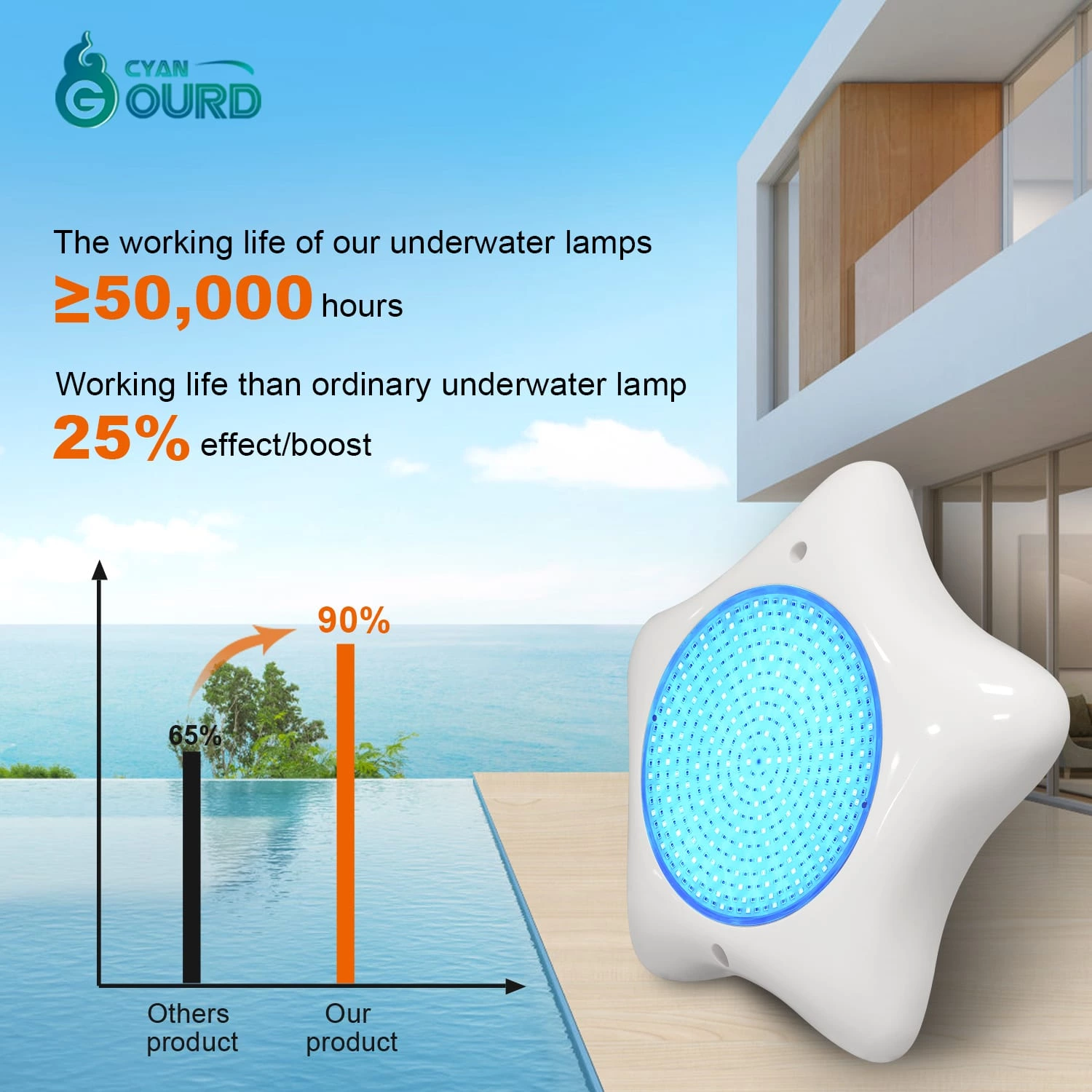
| Life Expectancy | 2,000 hrs | 50,000+ hrs |
| Heat Dissipation | Poor (Radiant) | Active (Conductive) |
Compliance Frameworks: Navigating NEMA and IEC 60598-2-18 for Municipal Approval
Municipal projects require strict adherence to international safety standards. All our commercial luminaires are manufactured in compliance with IEC 60598-2-18, the global benchmark for safety in swimming pool lighting. We provide comprehensive IP68 validation laboratory test reports, documenting seal integrity under simulated submersion pressures, ensuring our products meet the stringent regulatory requirements for public aquatic safety.
Q: Does your LED retrofit equipment work with all legacy halogen niche housings?
A: While many of our modules are designed for modular adaptability with QR290-A and YC series housings, we strongly advise a pre-retrofit site audit. Every installation has unique variables regarding conduit entry points and niche depth that require validation.
Q: Are your pool lights truly maintenance-free?
A: No electrical component is entirely maintenance-free. We focus on 'reduced maintenance cycles' through high-efficiency heat management, which significantly slows LED degradation and extends the duration between required service interventions.
Q: What is the difference between ABS and Stainless Steel housings for pool lights?
A: ABS is an excellent, cost-effective material for standard pools, whereas 316-grade stainless steel offers superior corrosion resistance in high-salinity or chemically aggressive environments.
Q: How do you ensure moisture does not enter the electronics?
A: We utilize specialized application-specific potting compounds during assembly. These compounds fill every internal cavity, creating an airtight, moisture-proof seal that is validated through intensive IP68 pressure testing.
Q: Why does voltage drop matter for large pool lighting arrays?
A: Excessive voltage drop can cause flicker, reduced light output, or complete driver failure. For arrays spanning over 50 meters, we recommend using 24V architecture to maintain consistent power quality.
Request Technical Spec Sheet & Installation Compatibility Audit