Русский
 Français
 بالعربية
 Español
The Engineer's Guide to Universal Pool Light Retrofit Kits for Commercial Upgrades
Successful commercial aquatic retrofits require more than aesthetic upgrades; they demand rigorous adherence to electrical safety standards and precise mechanical integration. This guide addresses the critical engineering challenges associated with universal pool light retrofit kits, focusing on structural compatibility, thermal performance, and long-term regulatory compliance in high-use aquatic environments.
The Engineering Reality of Retrofit: Universal Mechanical Fit vs. Electrical Compatibility
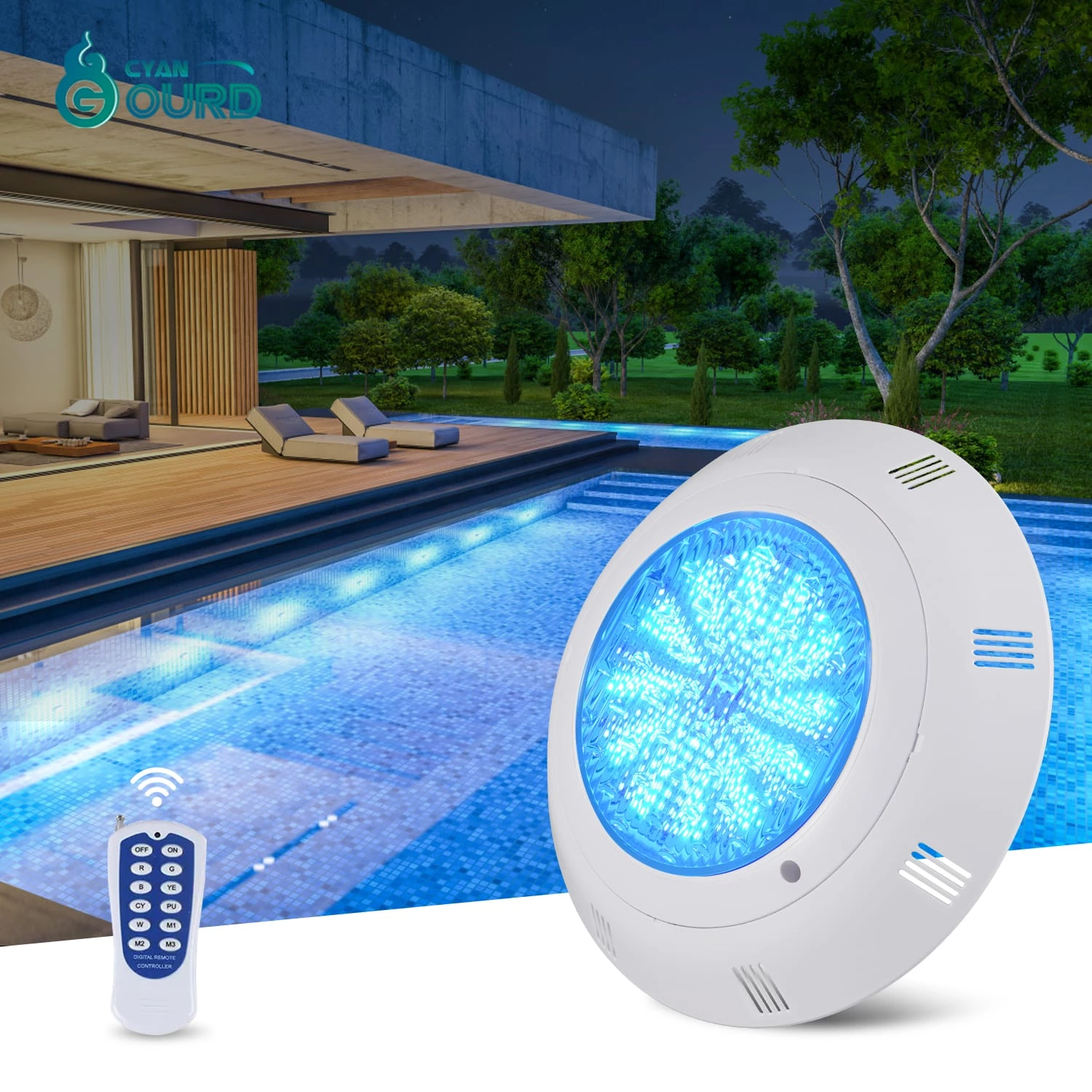
Engineering a truly universal Led Pool Light assembly involves reconciling modern LED footprints with legacy niche architectures. In our production line, we observe significant variance in legacy niche depth and mounting point geometry. A universal bracket must provide adjustable tolerance, such as the mounting interfaces found in our Stainless Steel Pool Light series, which allow for a secure fit in both 6-inch and 10-inch standard niches. Crucially, mechanical fit does not equate to electrical compatibility; facility engineers must perform thorough load calculations for existing transformers to ensure the combined LED driver current draw does not exceed circuit capacity.
Decoding UL 676 Compliance in Retrofit Assemblies: Safety and Liability
UL 676 and NFPA 70 govern underwater luminaire installation, specifically regarding bonding and grounding. When retrofitting, the assembly must maintain electrical continuity between the niche, the bonding grid, and the fixture housing. Failure to ensure that the retrofit kit facilitates a permanent connection to the pool bonding system poses severe safety liabilities and will result in failed municipal inspections. Our manufacturing process verifies all assemblies for proper grounding paths to ensure these critical safety requirements are met.
Thermal Management: Mitigating Driver Failure in Enclosed Niches
Enclosed niches create challenging environments for heat dissipation. Our thermal testing confirms that without proper heatsinking, internal LED drivers suffer from premature degradation, often manifesting as flicker or total lumen loss within the first 2,000 hours of operation. For example, our Nicheless Pool Light (Model QR-55) utilizes high-efficiency SMD 3535 chips designed for superior heat distribution within its 55mm diameter frame. By comparing internal housing temperatures during peak operation, we ensure that our constant-current drivers are adequately protected against thermal runaway.
Solving for Conduit Limitations: Managing Voltage Drop in Commercial Runs
Commercial pool runs often involve long cable lengths that lead to significant voltage drops, which can destabilize LED performance. When designing a retrofit, engineers must calculate the total run distance from the junction box to the fixture. Utilizing appropriate wire gauges and constant-current drivers ensures that lumen output remains consistent despite line voltage variations. Our Embedded Pool Light systems are engineered to handle these voltage fluctuations, maintaining stable current delivery across extended cable runs.
Material Integrity: Ensuring Corrosion Resistance in Harsh Aquatic Chemistries
In high-chlorine or saltwater environments, material selection is the primary determinant of fixture longevity. We prioritize 316L stainless steel for our housings, which undergoes rigorous corrosion resistance testing to ensure compatibility with aggressive water chemistries. Unlike inferior grades, 316L provides the necessary molybdenum content to prevent pitting and crevice corrosion, ensuring the structural integrity of the mounting assembly over years of submersion.
| Feature | Standard Retrofit Kit | Engineered Commercial Kit |
|---|---|---|
| Mounting Flexibility | Limited range | Multi-diameter adjustment |
| Driver Thermal Load | Standard PCB | Constant-current integration |
| Corrosion Resistance | 304 Stainless or ABS | 316L Stainless Steel |
Integration Case Study: Adapting legacy mounting points with high-tolerance brackets
During a recent upgrade at a municipal facility, our engineering team encountered legacy 10-inch niches with corroded mounting points. We utilized a custom-engineered mounting bracket that distributed the weight of the LED assembly across non-corroded stainless steel surface areas, ensuring a secure mechanical seal without requiring the destruction of the existing niche wall. This mechanical tolerance data is central to our design process, confirming the system's ability to adapt to varying site conditions while maintaining IP68 submersion standards.
Best Practices for Pre-Installation Verification and Testing
Before installing any retrofit assembly, conduct a formal pre-installation survey. Verify the internal niche diameter, the condition of the conduit, and the status of the pool’s existing bonding conductor. Ensure that all electrical connections undergo load calculations. Finally, confirm the fixture's IP68 submersion testing certifications, as these indicate the durability of the seals in high-pressure commercial aquatic environments. Retrofitting Legacy Pools Sourcing Light effectively requires this disciplined approach to minimize long-term maintenance cycles.
Frequently Asked Questions
Q: How do you verify lumen output equivalency for code-compliant commercial pool lighting?
A: Lumen output should be measured based on delivered light into the water column, accounting for the beam spread and fixture optics, rather than raw LED chip output.
Q: What are the electrical load differences between legacy incandescent and LED retrofit drivers?
A: Incandescent bulbs are resistive loads; LEDs are electronic loads. You must calculate the total VA load to ensure the existing transformer is correctly sized to avoid flickering and premature driver failure.
Q: How do universal retrofit kits account for variance in niche conduit sizing?
A: Quality kits include universal sealing glands and flexible cable entry points designed to accommodate different conduit diameters while maintaining a hermetic seal.
Q: What is the expected MTBF for LED retrofit components in high-chlorine environments?
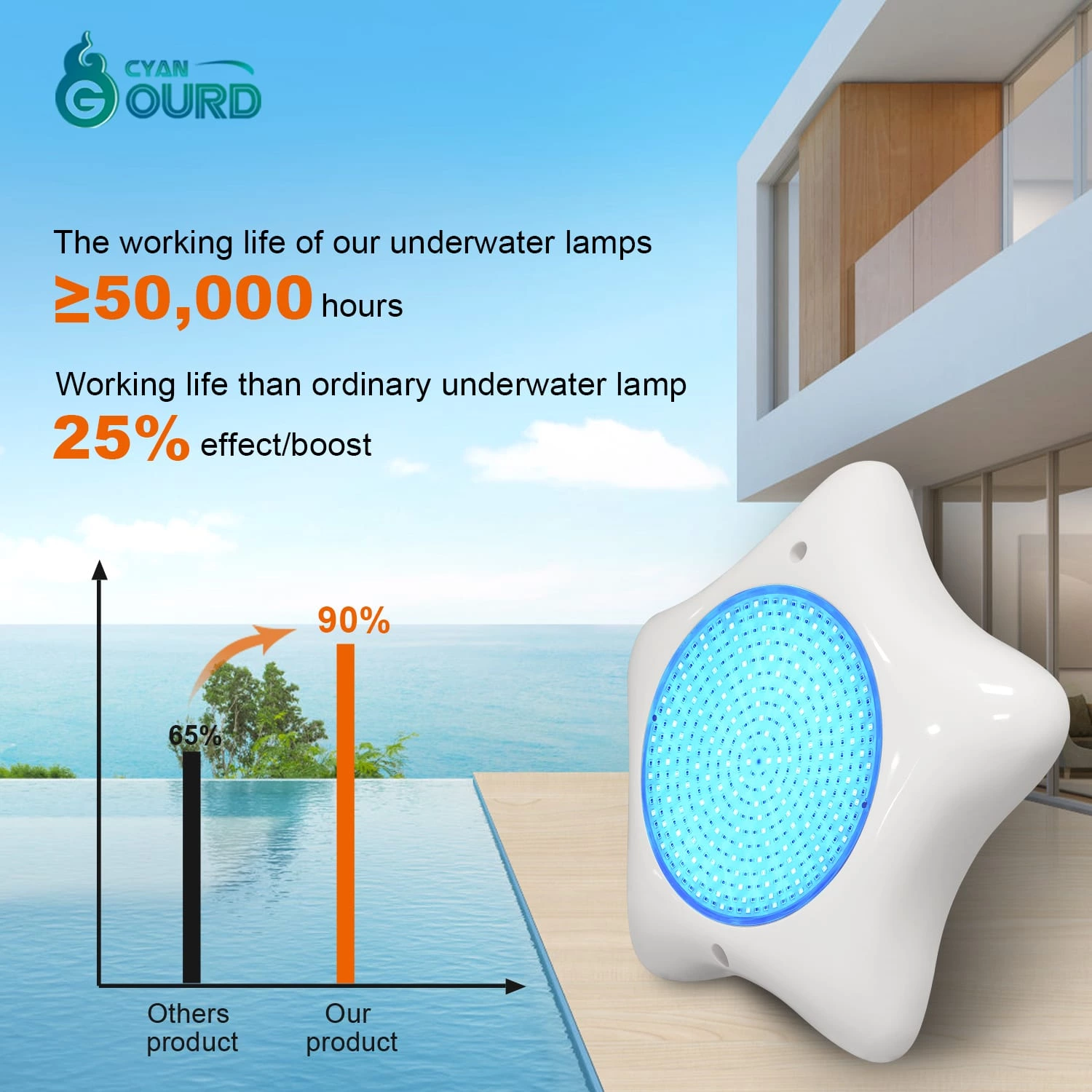
A: When thermal management is optimized and 316L stainless steel housings are utilized, the Mean Time Between Failures is significantly increased, often exceeding 50,000 operational hours.
Q: How to ensure thermal dissipation compatibility in retrofitted commercial pool housings?
A: Verify that the manufacturer provides documented internal housing temperature test results that demonstrate the driver operates within its rated thermal envelope under peak power conditions.